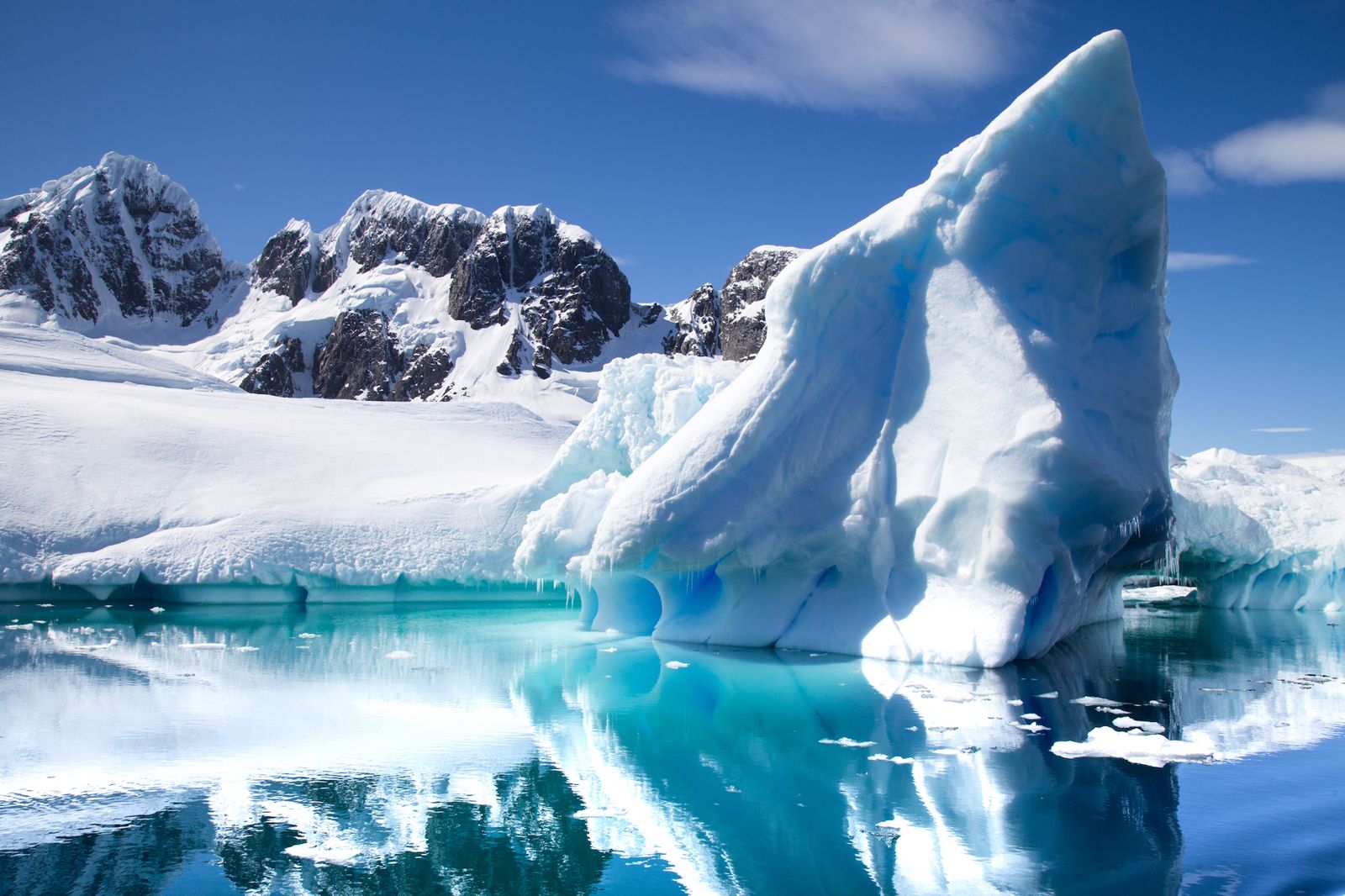

An Antarctic research station has reported its hottest January day at 2°C, underscoring the accelerating pace of climate change. Scientists warn that such anomalies, though seemingly mild, signal broader warming trends across the continent. The reading highlights urgent concerns about ice melt, rising sea levels, and global climate resilience.
Antarctica, often synonymous with extreme cold, witnessed an unusual spike this January as a research station recorded 2°C, marking its hottest day for the month. While coastal regions occasionally experience milder temperatures, such readings are rare and serve as a stark reminder of the continent’s vulnerability to global warming.
Climate experts emphasize that even small increases in Antarctic temperatures can have outsized impacts. Warmer conditions accelerate ice shelf melting, destabilize glaciers, and contribute to rising sea levels worldwide. The anomaly also raises concerns about the long-term sustainability of ecosystems and research infrastructure in the region.
Scientists note that January, being the peak of Antarctic summer, typically sees temperatures ranging from -2°C to 8°C along the coast, but the latest record underscores the urgency of monitoring climate shifts more closely.
Notable Updates and Major Takeaways
Temperature record: 2°C logged as hottest January day at a research station.
Global impact: Signals faster ice melt and rising sea levels.
Seasonal context: January is Antarctica’s warmest month, but such highs remain rare.
Scientific concern: Highlights need for stronger climate monitoring and global action.
Conclusion
The 2°C reading in Antarctica is more than a weather anomaly—it is a climate warning. As the world grapples with rising temperatures, the frozen continent’s subtle shifts remind us that global resilience depends on urgent, collective action.
Sources: Business Korea, ChosunBiz, Weather Atlas