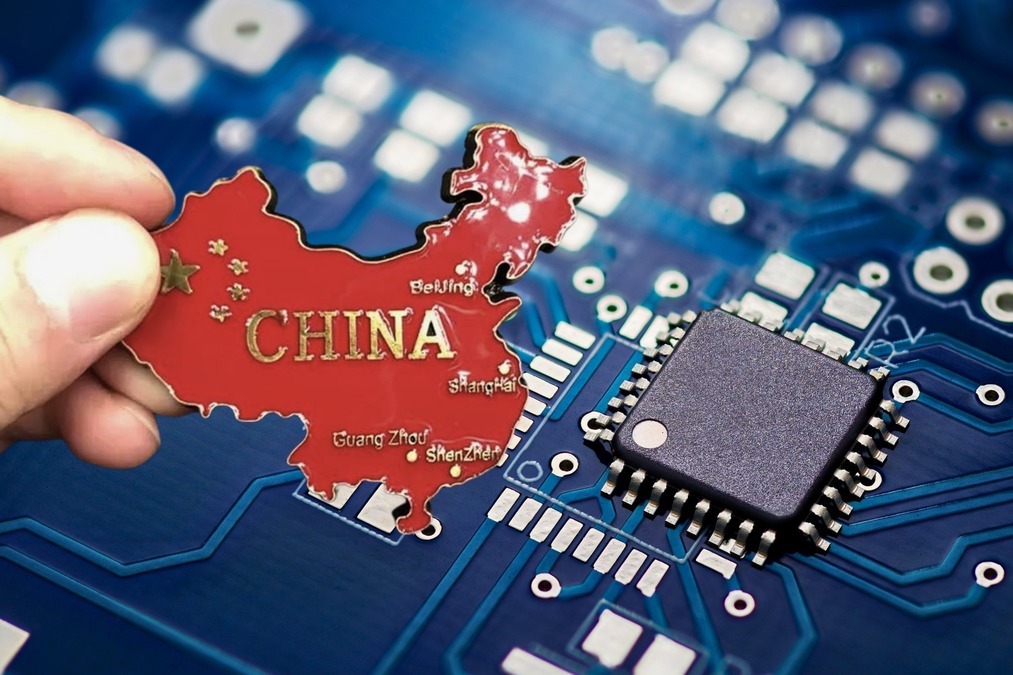

China has resurrected a 50-year-old technology-analog computing-that consumes up to 200 times less energy than digital processors. Researchers at Peking University demonstrated its potential to revolutionize artificial intelligence by delivering faster operations with dramatically lower power consumption, offering a sustainable solution for energy-hungry data centers.
Analog Computing Returns
Unlike digital systems that rely on binary logic, analog computing processes continuous signals. This older method, abandoned decades ago, is now being reimagined to meet the rising energy demands of AI and large-scale data processing.
Breakthrough For AI
Trials conducted by Peking University showed analog circuits outperforming flagship GPUs in specific tasks like recommendation engines and image processing. The prototype achieved up to 12 times faster speeds while slashing energy use, making it a promising alternative for AI workloads.
Global Implications
With data centers consuming massive amounts of electricity worldwide, China’s analog revival could reshape the future of computing. If scaled successfully, it may reduce costs, cut carbon footprints, and challenge the dominance of digital processors in AI infrastructure.
Key Highlights
-
Analog computing consumes 200 times less energy than digital
-
Revived by researchers at Peking University
-
Prototype achieved 12 times faster AI task performance
-
Potential to reduce global data center energy demand
-
Could reshape future of AI hardware infrastructure
Conclusion
China’s revival of analog computing marks a bold step toward sustainable AI. By combining speed with energy efficiency, this breakthrough could redefine global computing strategies and position China at the forefront of next-generation technology.
Sources: Tidal Wave Cap, 3DVF, IntelligentHQ