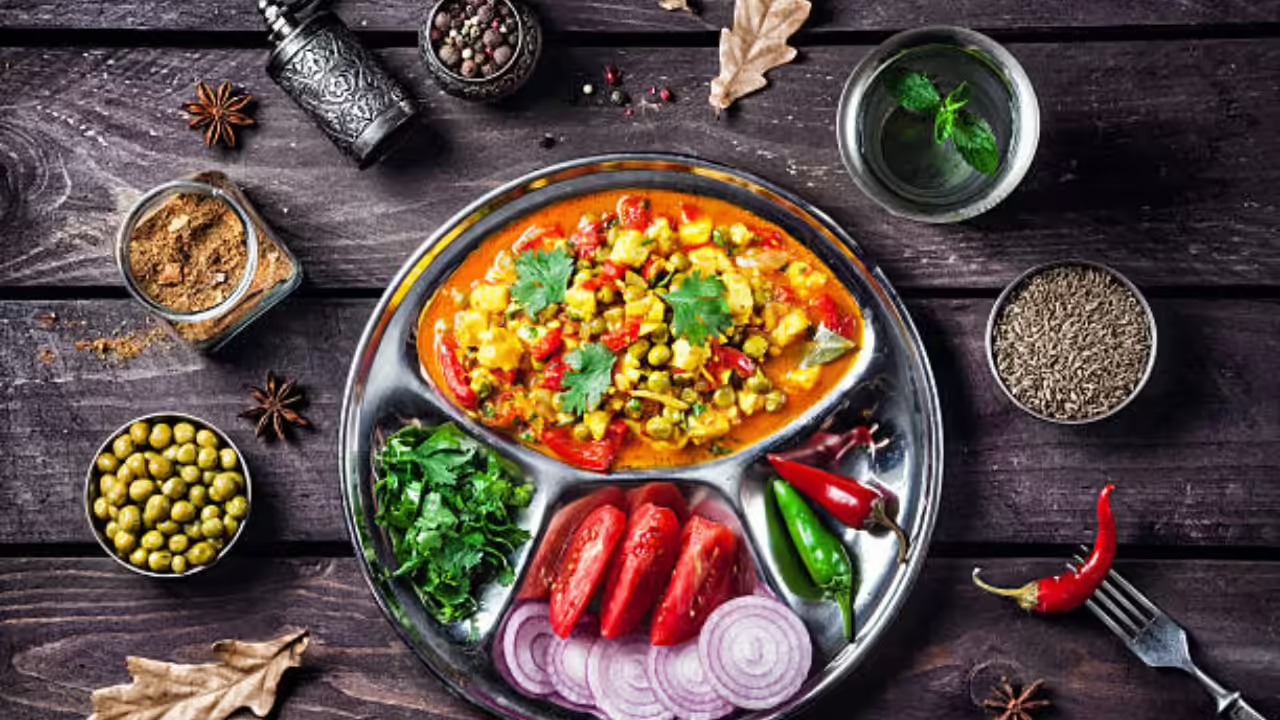

Home-cooked meals are often seen as the gold standard of healthy eating, but experts caution that the reality is more complex. While cooking at home offers control over ingredients and portion sizes, factors like excessive oil, salt, and lack of dietary variety can make “ghar ka khana” less healthy than assumed.
The Comfort Of Familiarity
Home-cooked food carries emotional value, tied to family traditions and trust. Knowing who prepared the meal and what went into it creates a sense of safety and comfort. Recipes passed down generations reinforce the belief that home food is always best.
Nutritional Benefits And Limitations
Cooking at home allows control over ingredients, reducing reliance on processed foods. However, many households overuse oil, sugar, or salt, and stick to repetitive menus that may lack essential nutrients. Balanced diets require variety, which isn’t always guaranteed in daily home cooking.
Changing Lifestyles
Busy schedules often lead to shortcuts-fried snacks, quick curries, or heavy carb-based meals-that compromise nutrition. While home food avoids preservatives, it doesn’t automatically ensure balanced meals.
Key Highlights
-
Home-cooked food offers control over ingredients
-
Emotional trust and family traditions reinforce its appeal
-
Excessive oil, salt, or sugar can reduce health benefits
-
Lack of dietary variety may cause nutritional gaps
-
Busy lifestyles often lead to unhealthy shortcuts
Conclusion
Home-cooked food is comforting and often healthier than processed alternatives, but it isn’t automatically the best choice. True health lies in mindful cooking-balancing nutrients, moderating ingredients, and diversifying meals to meet modern dietary needs.
Sources: Times of India, ETV Bharat, Healthline Insights