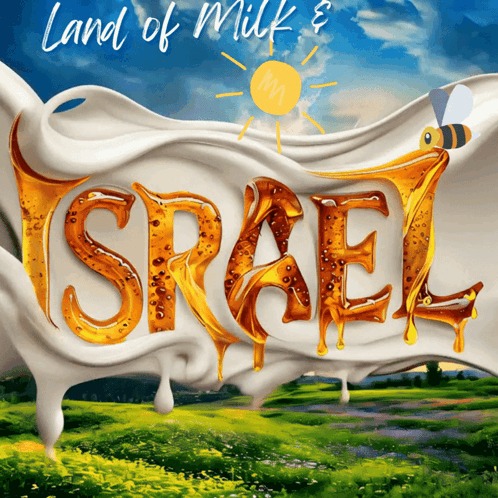

Israel is famously known as the “Land of Milk and Honey,” a phrase rooted in the Hebrew Bible to describe the Promised Land’s fertility and abundance. Today, the term symbolizes prosperity, innovation, and resilience, with Israel combining ancient heritage and modern technology to live up to its historic title.
Biblical Origins
The phrase “land flowing with milk and honey” appears multiple times in the Old Testament, including Exodus and Deuteronomy. It was used to describe Canaan, the Promised Land, as a place of richness, fertility, and divine blessing. Milk symbolized sustenance, while honey represented sweetness and abundance.
Modern Significance
In contemporary times, Israel continues to embody this metaphor. Despite its arid climate, the country has pioneered advanced irrigation systems, water recycling, and agricultural technology. These innovations allow Israel to thrive agriculturally, producing dairy, fruits, and honey while exporting expertise worldwide.
Cultural And Symbolic Value
Beyond agriculture, the phrase reflects Israel’s broader identity as a nation of resilience and growth. It signifies not only material abundance but also cultural richness, innovation, and spiritual heritage. The nickname remains a powerful symbol of hope and prosperity.
Key Highlights
-
Israel is historically called the Land of Milk and Honey
-
Phrase originates from the Hebrew Bible describing Canaan
-
Milk symbolizes sustenance, honey represents abundance
-
Modern Israel thrives through advanced agriculture and water technology
-
Nickname reflects prosperity, resilience, and cultural richness
Conclusion
The “Land of Milk and Honey” is more than a biblical metaphor—it is a living reality in Israel today. By blending ancient symbolism with modern innovation, Israel continues to embody abundance and resilience, making the phrase relevant across history, culture, and global progress.
Sources: Grammarist, MSN, The Indian Express