

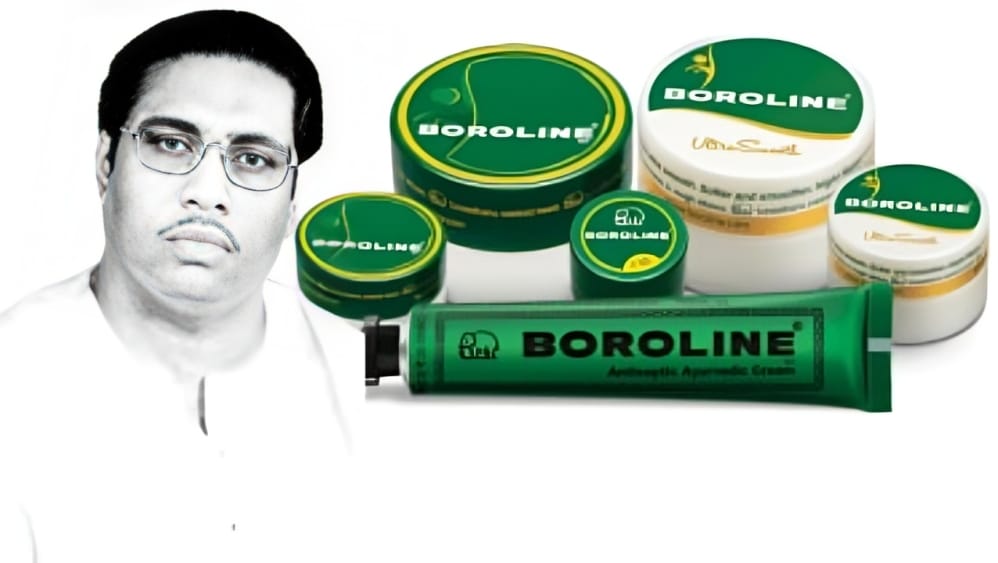
Since 1929, Boroline has been more than just an antiseptic cream in Bengali households—it has been a cultural symbol of care, trust, and continuity. Born during India’s freedom movement, the green tube has endured nearly a century, retaining its original formulation while adapting to modern consumer expectations.
Boroline, the iconic green tube antiseptic cream, has stood as a household name in India for nearly a century. Introduced in 1929 by Gourmohan Dutta, the brand emerged as India’s first indigenous antiseptic cream, symbolizing self-reliance during the freedom struggle. Over generations, it has become synonymous with healing cracked skin, cuts, and minor wounds, while also carrying emotional resonance across Bengali families.
Its enduring success lies in its simplicity—unchanged formulation, distinctive packaging, and word-of-mouth trust. Even as global skincare brands flood the Indian market, Boroline continues to thrive, balancing heritage with relevance. Recent consumer studies highlight how younger urban audiences in cities like Bengaluru still recognize Boroline’s authenticity, though they seek modern positioning and digital outreach.
Key Highlights
-
Founded in 1929, Boroline was India’s first indigenous antiseptic cream, symbolizing national pride and resilience.
-
The brand’s green tube became a cultural icon in Bengal, passed down through generations as a trusted remedy.
-
Its unchanged formulation has built loyalty, with effectiveness against cracked heels, cuts, and dry skin.
-
Despite competition from multinational skincare brands, Boroline retains strong recall and emotional value.
-
Market research shows younger consumers appreciate Boroline’s heritage but expect modern branding and accessibility.
-
The brand’s legacy reflects a rare blend of tradition and adaptability, making it a timeless part of India’s skincare narrative.
Boroline’s journey is not just about skincare—it is about identity, continuity, and trust. From grandmothers’ bedside tables to modern urban shelves, the little green tube remains a quiet yet powerful reminder of India’s ability to create enduring indigenous solutions.
Sources: Outlook India, Indus Business Academy research