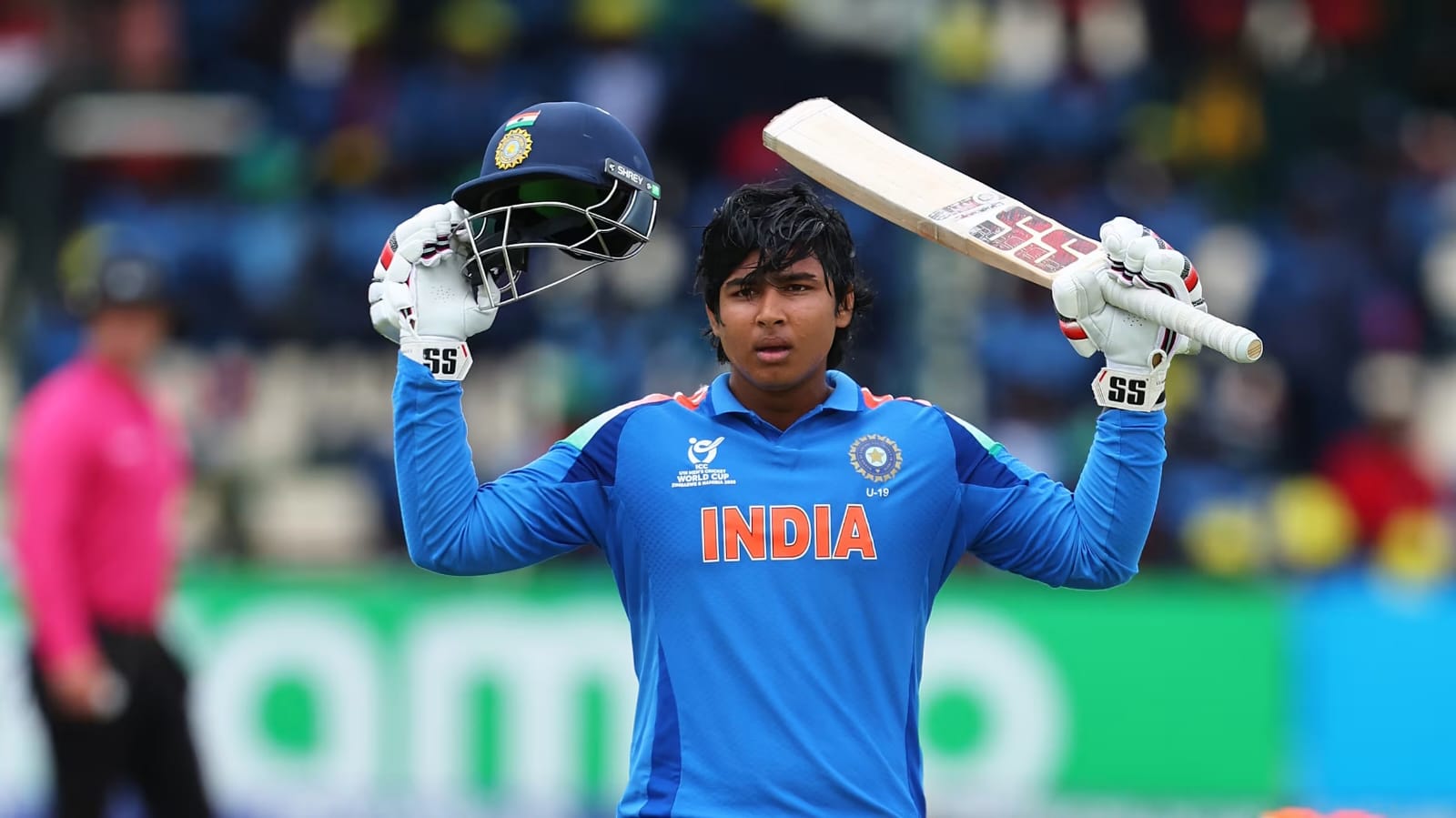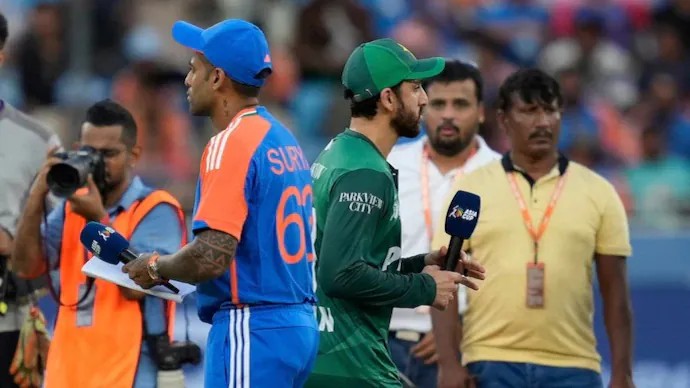
ICC Deputy Chair Imran Khwaja is in Lahore to hold talks with PCB Chairman Mohsin Naqvi over Pakistan’s proposed boycott of the India match in the T20 World Cup. Bangladesh’s cricket chief is also involved, as ICC seeks to resolve the standoff that threatens billions in losses and global viewership.
The India-Pakistan T20 World Cup fixture, scheduled for February 15 in Colombo, has been thrown into uncertainty after Pakistan announced its intention to boycott the match following government directives. The ICC has dispatched senior officials to Lahore to negotiate with the Pakistan Cricket Board (PCB) and prevent disruption to one of cricket’s most commercially significant contests.
Imran Khwaja, ICC Deputy Chair and a key mediator, is leading the discussions with PCB Chairman Mohsin Naqvi. Bangladesh Cricket Board President Aminul Islam has already met Naqvi and is expected to join the virtual meeting later today. The ICC is pressing for a resolution, citing the enormous financial and reputational stakes tied to the marquee clash.
Key Highlights
-
Pakistan’s government instructed PCB to boycott India’s match, citing political and security concerns
-
ICC Deputy Chair Imran Khwaja and Associate Member Director Mubashir Usmani arrived in Lahore for urgent talks
-
Bangladesh Cricket Board President Aminul Islam is actively participating in discussions with PCB leadership
-
Sri Lanka Cricket has warned PCB of severe financial losses if the boycott proceeds, with estimates of over 2200 crore rupees at risk
-
The ICC has sought formal explanations from PCB and is working to persuade Pakistan to reconsider its stance
-
The India-Pakistan fixture remains one of the most watched and revenue-generating matches in global cricket
The outcome of these talks will be pivotal not only for the tournament’s integrity but also for cricket’s broader commercial ecosystem. With mounting pressure from ICC, Sri Lanka Cricket, and other stakeholders, the PCB faces a critical decision that could reshape the narrative of the 2026 T20 World Cup.
Sources: The Economic Times, Times of India, PTI, Times Now Digital