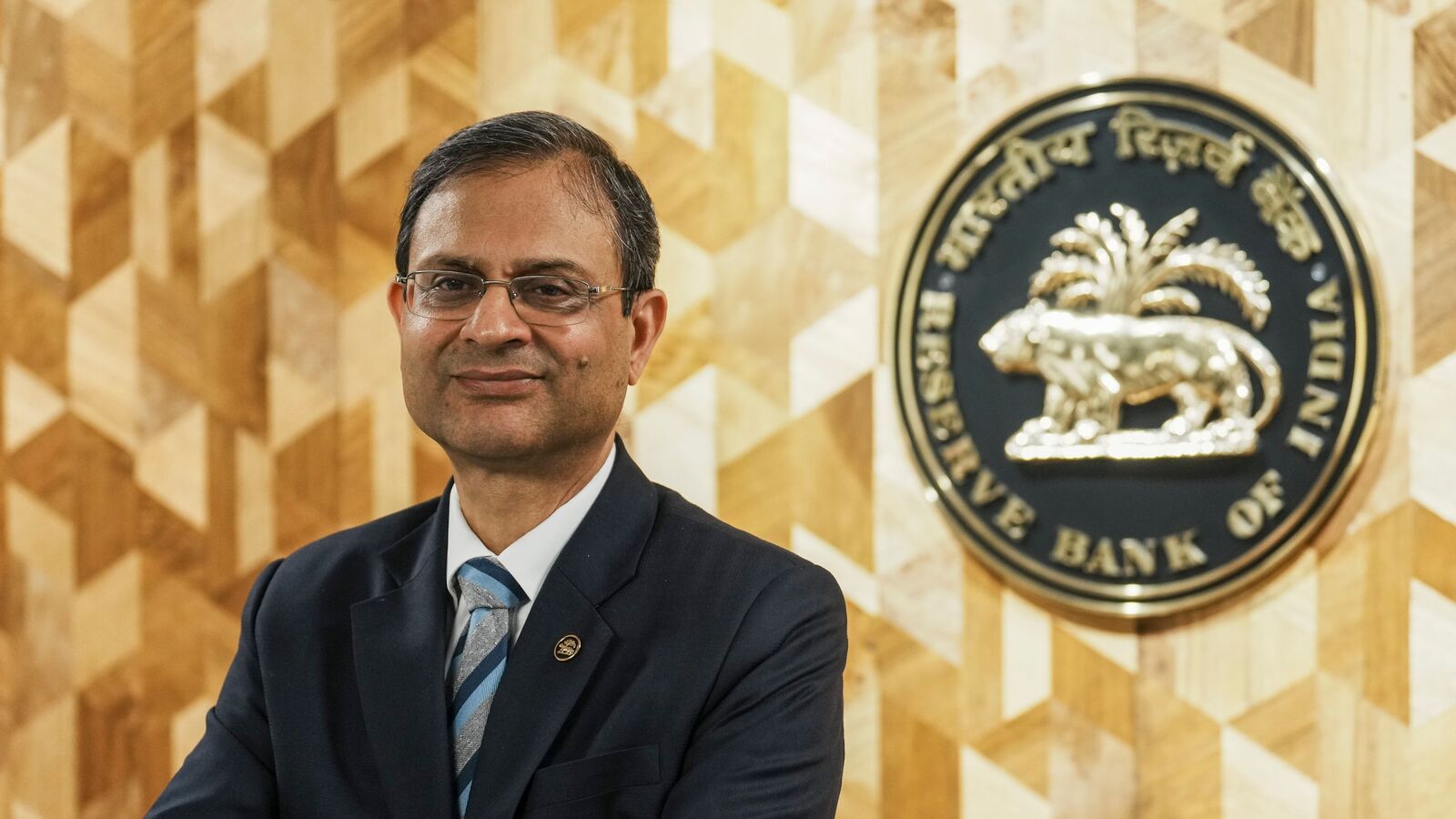
India’s Finance Minister stated that reducing the debt-to-GDP ratio will be the government’s core priority from next fiscal year. High debt levels in some states were flagged as a concern. The roadmap includes fiscal discipline, revenue mobilization, and expenditure rationalization to ensure sustainable growth and economic stability.
India’s Finance Minister has announced that bringing down the country’s debt-to-GDP ratio will be the government’s central priority from the next fiscal year. The statement comes amid concerns over fiscal sustainability and the need to balance growth with prudent financial management.
Key Highlights
National Priority: The Finance Minister emphasized that reducing the debt burden is critical to ensuring long-term economic stability.
State-Level Concerns: Some Indian states have reported high debt-to-GDP ratios, which the minister described as a “cause of worry,” urging corrective fiscal measures.
Growth vs. Stability: While India continues to push for infrastructure and social spending, the government aims to strike a balance by tightening fiscal discipline.
Future Roadmap: Policy reforms, improved revenue mobilization, and rationalized expenditure are expected to form the backbone of the debt-reduction strategy.
Global Context: India’s move aligns with international best practices, as economies worldwide seek to manage debt levels amid post-pandemic recovery pressures.
Why It Matters
This announcement signals a shift toward fiscal consolidation, reassuring investors and global agencies about India’s commitment to sustainable growth. Addressing state-level debt challenges will be crucial in maintaining overall macroeconomic health.
Sources: Economic Times, Business Standard, Moneycontrol
India’s Finance Minister has announced that bringing down the country’s debt-to-GDP ratio will be the government’s central priority from the next fiscal year. The statement comes amid concerns over fiscal sustainability and the need to balance growth with prudent financial management.
Key Highlights
-
National Priority: The Finance Minister emphasized that reducing the debt burden is critical to ensuring long-term economic stability.
-
State-Level Concerns: Some Indian states have reported high debt-to-GDP ratios, which the minister described as a “cause of worry,” urging corrective fiscal measures.
-
Growth vs. Stability: While India continues to push for infrastructure and social spending, the government aims to strike a balance by tightening fiscal discipline.
-
Future Roadmap: Policy reforms, improved revenue mobilization, and rationalized expenditure are expected to form the backbone of the debt-reduction strategy.
-
Global Context: India’s move aligns with international best practices, as economies worldwide seek to manage debt levels amid post-pandemic recovery pressures.
Why It Matters
This announcement signals a shift toward fiscal consolidation, reassuring investors and global agencies about India’s commitment to sustainable growth. Addressing state-level debt challenges will be crucial in maintaining overall macroeconomic health.
Sources: Economic Times, Business Standard, Moneycontrol