
An Indian entrepreneur went five months without using Blinkit, Zepto, or other quick-commerce apps after moving abroad. The experience revealed how 10-minute delivery had removed planning from daily life, fostering dependency on instant gratification. The reflection comes as Blinkit ends its 10-minute delivery promise under government advisories.
Quick-commerce platforms have become an integral part of urban India, reshaping how households manage groceries and essentials. With Blinkit, Zepto, and Swiggy Instamart promising deliveries in minutes, many consumers have grown accustomed to convenience at the tap of a screen. However, one Indian entrepreneur’s five-month break from these apps has sparked a wider debate on the hidden costs of instant gratification.
Saloni Srivastava, a marketer and YouTuber, shared her experience of living without quick-commerce after relocating to France. She noted that the absence of 10-minute delivery forced her to plan meals, shop mindfully, and reduce impulsive consumption. Srivastava described how the constant availability of groceries in India had “killed” her foresight, making life reactive rather than structured.
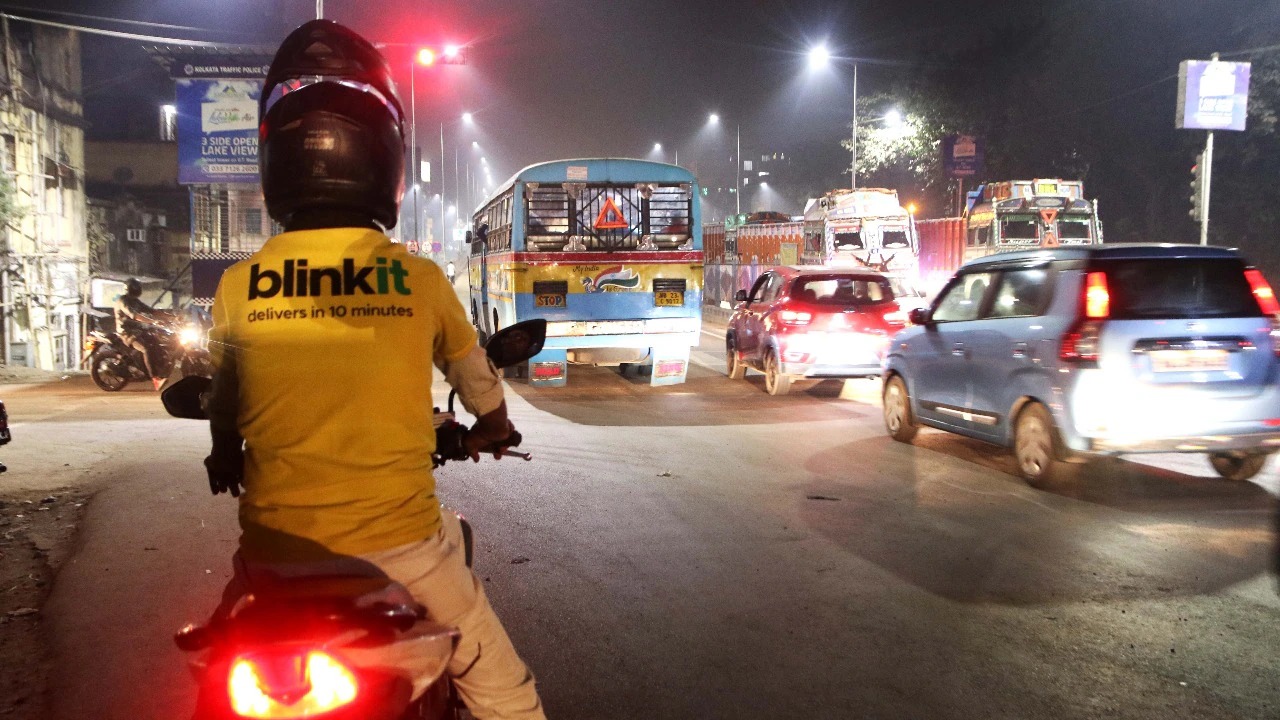
Her reflections coincided with Blinkit’s announcement to drop its 10-minute delivery claim, following government advisories on worker safety and sustainable practices. The move highlights growing concerns about the pressure on delivery staff and the long-term viability of ultra-fast commerce.
Key Highlights
-
Entrepreneur lived five months without Blinkit, Zepto, or Swiggy Instamart
-
Experience revealed dependency on instant gratification and loss of planning habits
-
Absence of quick-commerce encouraged mindful shopping and structured living
-
Blinkit ended its 10-minute delivery promise after government intervention
-
Debate grows on balancing convenience with sustainability and worker welfare
Future Outlook
As India’s quick-commerce sector matures, the focus may shift from speed to sustainability, safety, and consumer responsibility. While convenience remains a powerful driver, the entrepreneur’s experience underscores the importance of mindful consumption and the need for balanced innovation that supports both customers and workers.
Sources: News18, India TV, Firstpost, PTI