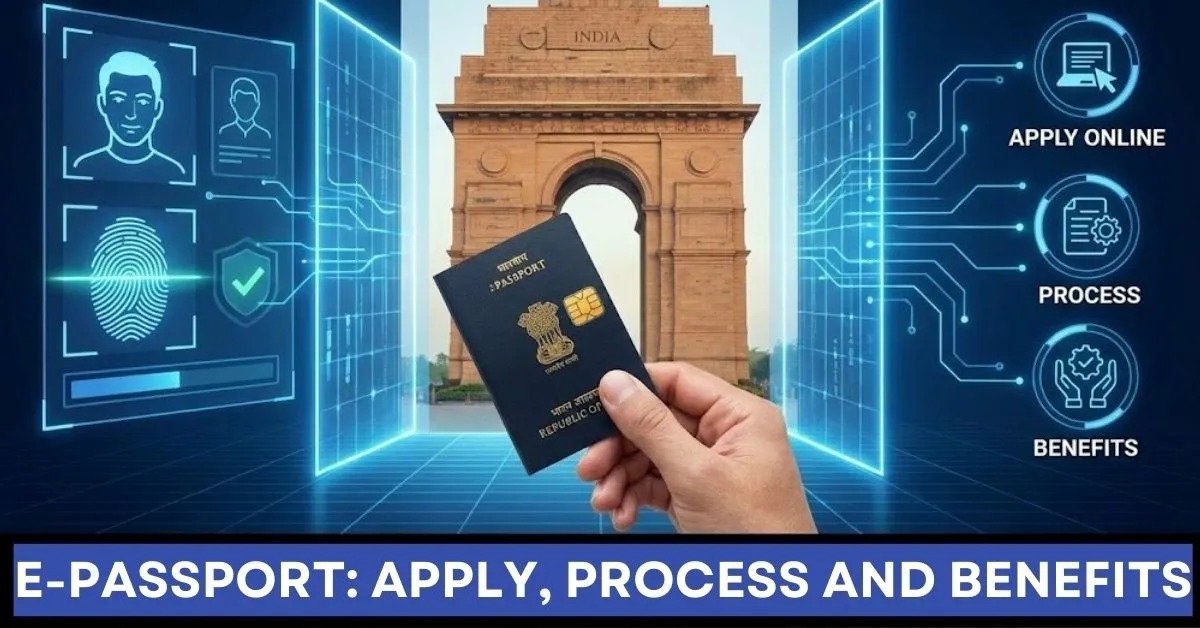

India has officially launched e-passports equipped with embedded electronic chips to enhance security and streamline immigration. Available to all citizens applying for new or renewed passports, the initiative under Passport Seva Programme 2.0 promises faster verification, reduced fraud, and smoother international travel, aligning with ICAO-compliant global standards of digital identity.
Modernizing Travel Documentation
The Government of India introduced e-passports nationwide in January 2026, marking a significant upgrade from traditional booklets. These passports contain an electronic chip storing biometric and personal data, designed to prevent duplication and identity theft while accelerating immigration processes. The initiative is part of Passport Seva Programme 2.0, aimed at modernizing India’s travel documentation system.
Eligibility And Application Process
E-passports will be issued to all new applicants and those seeking renewals, ensuring a phased transition from conventional passports. Citizens can apply through Passport Seva Kendras or online portals, with the process remaining largely unchanged. The embedded chip stores details such as name, date of birth, and biometric identifiers, which can be digitally verified at immigration counters worldwide.
Key Highlights
-
Eligibility extends to all Indian citizens applying for new or renewed passports
-
Application process continues via Passport Seva Kendras and online portals
-
Application fee is Rs 1,500 for a 36-page booklet and Rs 2,000 for a 60-page booklet
-
Chip-based passports enhance security, reduce forgery risks, and enable faster immigration clearance
-
Part of Passport Seva Programme 2.0, aligning India with ICAO global standards
-
Pilot projects tested earlier in Delhi and Bengaluru before nationwide rollout
Benefits For Travelers
The e-passport system offers multiple advantages for Indian travelers. Faster immigration checks will reduce wait times at airports, while advanced security features will minimize risks of fraud. The initiative also strengthens India’s compliance with international travel norms, boosting confidence among foreign authorities and easing global mobility for citizens.
Final Takeaway
India’s launch of e-passports represents a transformative step in travel documentation, combining technology with security to deliver convenience and trust. With chip-enabled verification and global standardization, the e-passport is set to redefine how Indian citizens experience international travel in the digital age.
Sources: Financial Express, Moneycontrol, IndustryWired