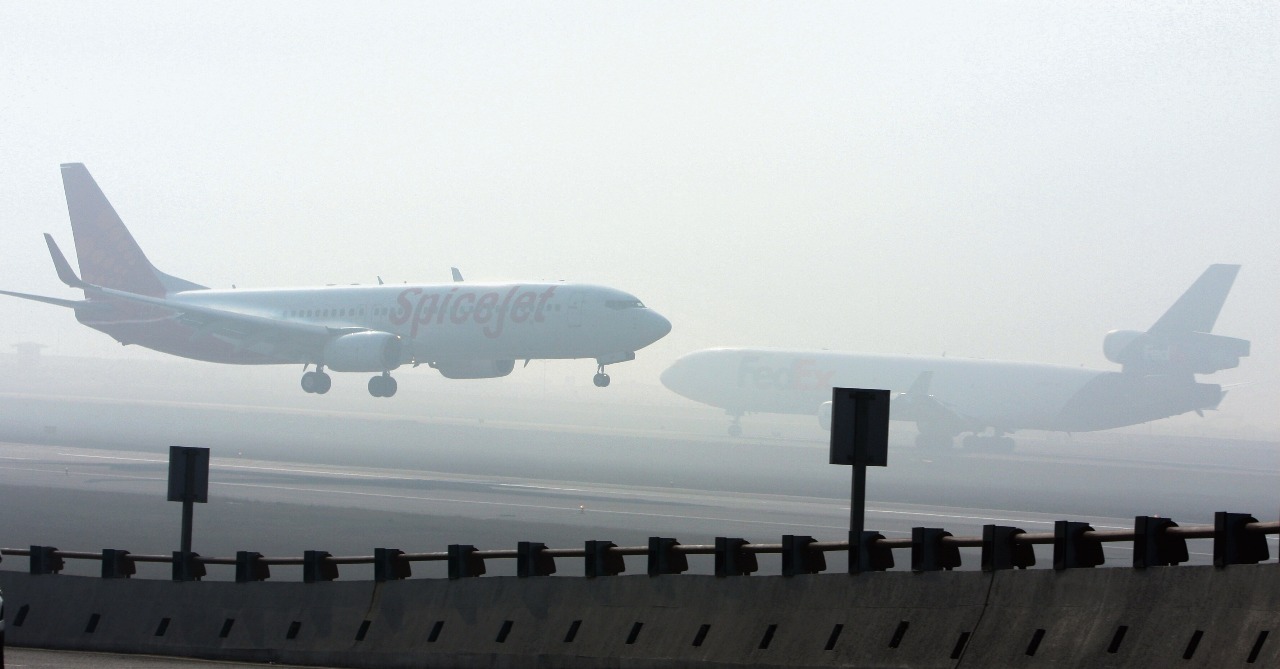







Delhi’s Indira Gandhi International Airport (IGIA) has rolled out advanced Artificial Intelligence (AI) systems, predictive analytics, and upgraded CAT-III compliant runways to minimize disruptions caused by dense winter fog. The new Airport Predictive Operations Centre (APOC) integrates real-time weather data and airside inputs to keep flights running smoothly.
Delhi International Airport Limited (DIAL), operator of India’s busiest aviation hub, has announced a comprehensive technology overhaul to tackle the annual challenge of winter fog. With passenger traffic surging and visibility often dropping to near zero, the airport has introduced AI-driven systems and enhanced runway capabilities to ensure safer and more efficient operations.
Key highlights from the announcement include
-
The Airport Predictive Operations Centre (APOC) integrates real-time weather data, predictive models, and airside operations into a unified command system.
-
AI-powered analytics help optimize runway usage, improve aircraft sequencing, and streamline gate assignments during low-visibility conditions.
-
Three CAT-III compliant runways have been upgraded to handle operations in dense fog, allowing landings and take-offs even when visibility is severely restricted.
-
The coordinated system enables faster decision-making and more accurate resource deployment, reducing delays and cancellations.
-
DIAL emphasized that the upgrades are designed to enhance passenger experience and maintain operational reliability during peak winter travel.
-
Industry experts note that the integration of AI and predictive technology represents a significant leap in India’s aviation infrastructure.
-
The initiative positions Delhi Airport as a leader in adopting next-generation technology to address weather-related challenges.
The deployment of AI and fog technology is expected to significantly reduce the chaos typically associated with winter travel in Delhi. By combining predictive analytics with upgraded infrastructure, IGIA aims to maintain punctuality, minimize passenger inconvenience, and strengthen its reputation as a global aviation hub.
This initiative also reflects broader trends in aviation, where airports worldwide are increasingly turning to AI and advanced weather modeling to ensure resilience against climate-related disruptions. For Delhi, the move is both a technological milestone and a reassurance to millions of travelers who rely on the airport during the fog-heavy winter months.
Sources: Business Today, Swarajya Magazine, Times of India, India TV News