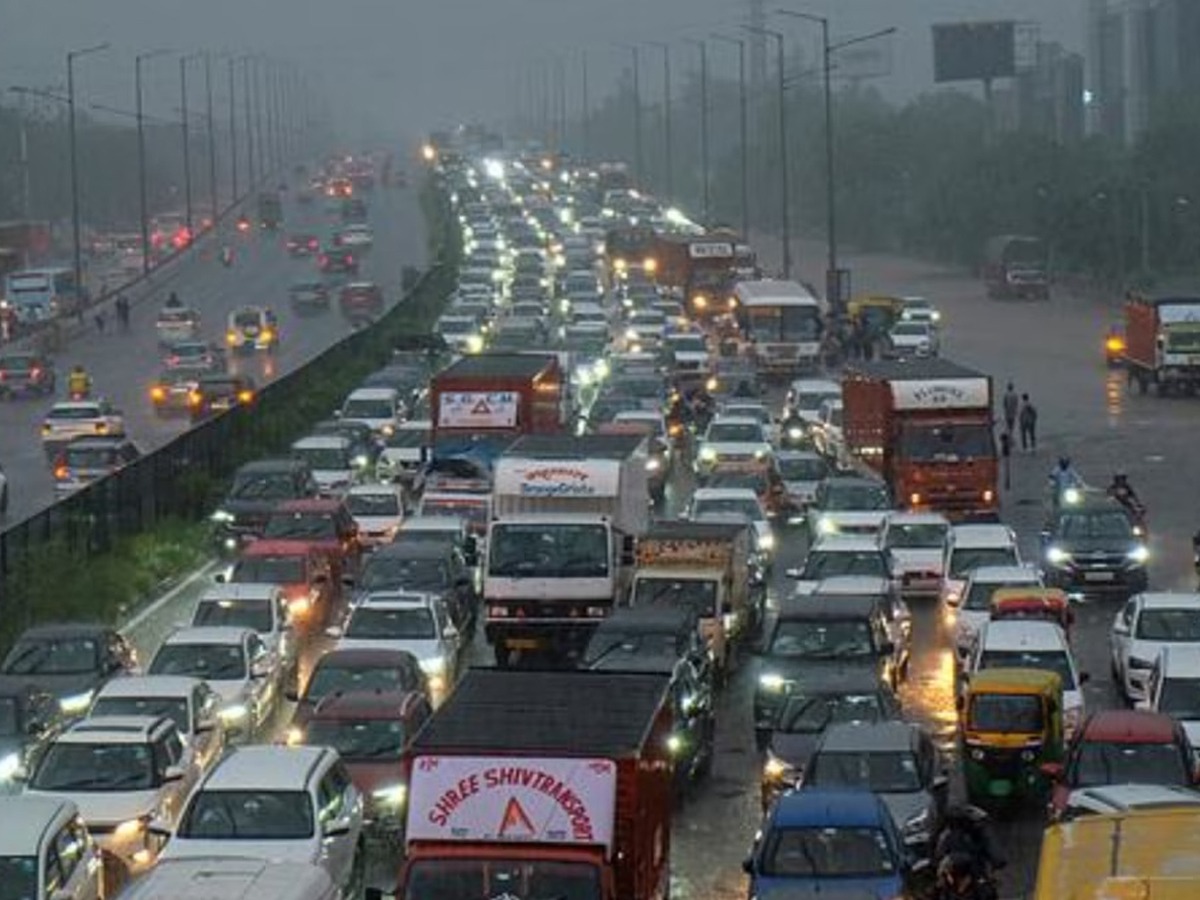






The Delhi government has announced a ban on the entry of non-BS-VI compliant vehicles into the capital as air pollution worsens. Fuel stations have also been directed to deny petrol and diesel to vehicles without valid Pollution Under Control (PUC) certificates, reinforcing stricter enforcement of clean air measures.
Delhi has intensified its fight against hazardous air pollution with new restrictions targeting vehicular emissions. The government has banned the entry of non-BS-VI compliant vehicles into the city, a move aimed at reducing toxic emissions from older vehicles. In addition, fuel stations across the capital will now refuse to supply petrol or diesel to vehicles that fail to produce a valid Pollution Under Control (PUC) certificate.
Key highlights from the announcement include
-
Non-BS-VI vehicles are barred from entering Delhi until further notice, covering both passenger and commercial categories.
-
Fuel stations have been instructed to deny service to vehicles without valid PUC certificates.
-
The measures come as Delhi’s Air Quality Index (AQI) continues to remain in the severe category, posing health risks.
-
Authorities have increased monitoring at borders and fuel outlets to ensure compliance.
-
The initiative is part of the Graded Response Action Plan (GRAP) to tackle worsening pollution levels.
-
Officials emphasized that stricter enforcement is necessary to curb vehicular emissions, which contribute significantly to Delhi’s toxic air.
-
Citizens are urged to maintain valid PUC certificates and avoid using older vehicles to prevent penalties.
Experts note that the ban on non-BS-VI vehicles is a critical step in reducing particulate matter and nitrogen oxide emissions. By linking fuel supply to PUC compliance, the government aims to ensure accountability and discourage negligence among vehicle owners.
The measures are expected to provide short-term relief in curbing pollution levels while reinforcing long-term goals of cleaner mobility. With Delhi’s air quality under constant scrutiny, these steps highlight the urgency of coordinated action to safeguard public health and environmental sustainability.
Sources: Hindustan Times, Times of India, Indian Express, NDTV