
Amritsar’s historic Lal Kothi has gained fresh attention after featuring in the film Dhurandhar, where actor Akshaye Khanna portrays Rehman. The mansion, known for its colonial architecture and cultural legacy, has become a cinematic backdrop that connects Punjab’s heritage with contemporary storytelling, drawing both film lovers and history enthusiasts.
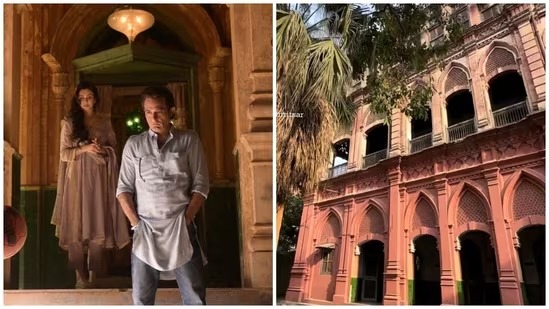
Amritsar’s Lal Kothi, a striking colonial-era mansion, has stepped into the limelight with its appearance in the film Dhurandhar. The property, long admired for its architectural grandeur and historical resonance, now finds itself celebrated as a cinematic landmark. Actor Akshaye Khanna, playing the role of Rehman, is seen against the backdrop of Lal Kothi, adding depth and authenticity to the film’s narrative.
Key highlights from the announcement include
-
Lal Kothi is a heritage mansion in Amritsar, known for its colonial architecture and cultural significance.
-
The property featured prominently in Dhurandhar, starring Akshaye Khanna as Rehman.
-
Its inclusion in the film highlights the blending of Punjab’s historical spaces with modern cinema.
-
The mansion’s red façade and intricate interiors make it a visual spectacle on screen.
-
Lal Kothi has long been a symbol of Amritsar’s elite heritage, often associated with cultural gatherings.
-
The film’s use of Lal Kothi underscores the importance of preserving heritage sites through popular culture.
-
Local residents and tourists have shown renewed interest in the mansion following the film’s release.
-
The cinematic spotlight is expected to boost heritage tourism in Amritsar.
The choice of Lal Kothi as a filming location reflects a growing trend in Indian cinema to integrate real heritage sites into storytelling. This not only enhances visual authenticity but also raises awareness about the need to preserve such landmarks. For Amritsar, Lal Kothi’s cinematic debut is more than a backdrop—it is a reminder of the city’s layered history and cultural richness.
As Dhurandhar continues to attract audiences, Lal Kothi stands as a bridge between past and present, embodying Punjab’s architectural legacy while contributing to its modern cultural narrative. The mansion’s renewed visibility may inspire further efforts to conserve and celebrate heritage properties across India.
Sources: Hindustan Times, Times of India, Indian Express, Amar Ujala