
SonyLIV’s historical drama Freedom at Midnight, directed by Nikkhil Advani, highlights how clothing shaped politics and leadership during India’s independence. Costume designer Ayesha Dasgupta, who won the Filmfare OTT Award for Best Costume Design, used textiles like handspun khadi to reflect ideologies of leaders such as Mahatma Gandhi, reinforcing authenticity and symbolism.
The acclaimed SonyLIV series Freedom at Midnight, adapted from Dominique Lapierre and Larry Collins’ book, not only dramatizes India’s struggle for independence but also underscores the political symbolism of clothing. Costume designer Ayesha Dasgupta, recently honored with the Filmfare OTT Award, revealed how textiles were meticulously chosen to represent ideologies and leadership styles.
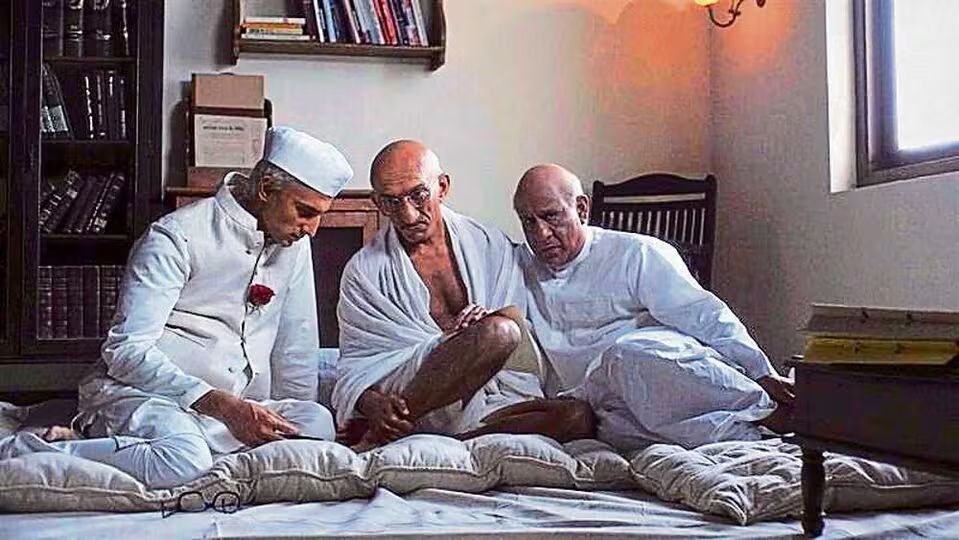
Dasgupta’s research-driven approach ensured that garments were not just costumes but political statements. For instance, Mahatma Gandhi’s attire was recreated using authentic handspun khadi, symbolizing self-reliance and resistance to colonial imports. Similarly, British officials’ tailored suits contrasted sharply with Indian leaders’ simple garments, visually narrating the clash of cultures and power.
Major Takeaways
-
Symbolic fabrics: Gandhi’s dhoti and gamcha crafted from handspun cloth to reflect authenticity.
-
Political messaging: Clothing used to highlight ideologies of simplicity, resistance, and authority.
-
Award recognition: Ayesha Dasgupta won the Filmfare OTT Award for Best Costume Design.
-
Visual storytelling: Contrasts between colonial attire and indigenous textiles emphasized power dynamics.
-
Cultural impact: Reinforces how fashion and fabric shaped perceptions of leadership during independence.
The series demonstrates that clothing was more than attire—it was a tool of resistance, identity, and power, making Freedom at Midnight a compelling blend of history and visual storytelling.
Sources: Mint, Filmfare OTT Awards, SonyLIV, The Independent