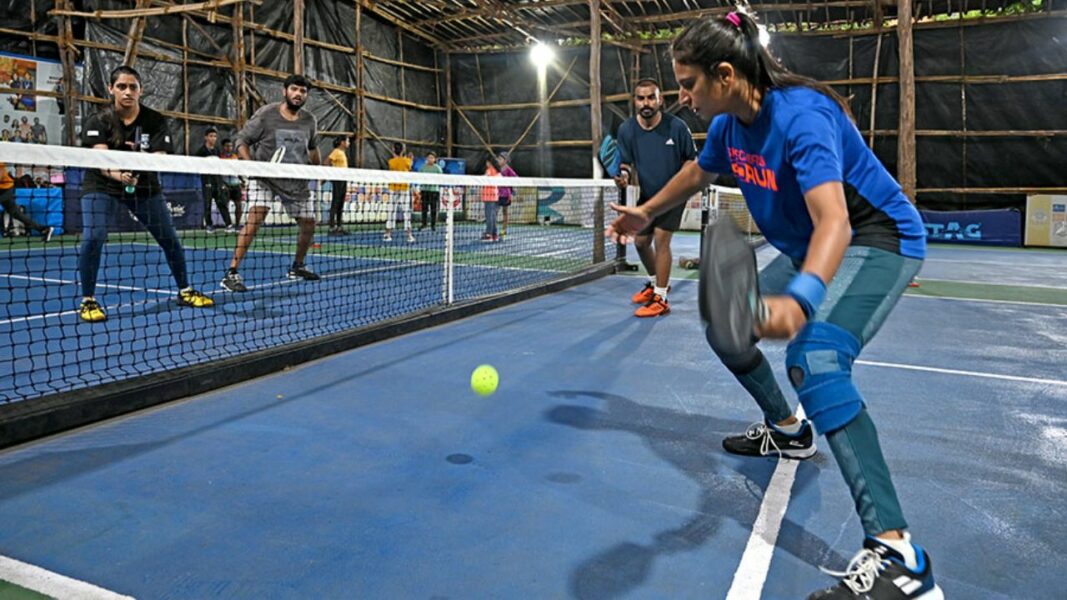

Pickleball in India is evolving into a structured, income-generating sport. IPA President Suryaveer Singh Bhullar highlights career opportunities across playing, coaching, administration, and entrepreneurship, driven by growing participation, institutional support, and rising commercial interest nationwide.
The conversation around sports careers in India is expanding rapidly, and pickleball has now entered the spotlight. According to Suryaveer Singh Bhullar, President of the Indian Pickleball Association (IPA), the future of pickleball in India is set to be multi-dimensional and financially rewarding, opening doors far beyond just competitive play.
Once seen as a recreational sport, pickleball is witnessing structured growth across urban and semi-urban India. With rising participation, formal leagues, and institutional backing, the sport is carving out a sustainable ecosystem for athletes, coaches, entrepreneurs, and sports professionals alike.
Key highlights shaping pickleball’s growth in India
Competitive pathways taking shape
The sport is transitioning from casual play to organized competition, with national rankings, sanctioned tournaments, and international exposure enabling players to pursue full-time professional careers.
Diverse income streams for players
Beyond prize money, players can earn through sponsorships, brand endorsements, league contracts, exhibition matches, and paid coaching engagements, making careers less dependent on tournament winnings alone.
Coaching, officiating, and administration opportunities
As participation increases, demand is growing for certified coaches, referees, event managers, and technical officials, creating employment avenues off the court as well.
Grassroots development and infrastructure expansion
Clubs, academies, and private facilities are emerging across cities, encouraging early talent identification and long-term player development while supporting local sports businesses.
Corporate and institutional interest rising
Schools, universities, and corporate wellness programs are adopting pickleball due to its accessibility and low injury risk, further strengthening the sport’s commercial and employment potential.
Bhullar emphasized that pickleball’s inclusive nature is a major advantage. With lower equipment costs, shorter learning curves, and mixed-age participation, the sport appeals to a wide demographic. This accessibility is helping it scale quickly while attracting private investors and sponsors seeking emerging sports properties.
He also highlighted the importance of governance and standardization. Structured policies, transparent rankings, and internationally aligned rules are positioning Indian pickleball to compete on the global stage, giving Indian athletes opportunities abroad.
As India’s sports economy continues to diversify, pickleball appears well-timed. Its blend of professionalism, mass participation, and commercial viability suggests that it may soon become a mainstream sporting career choice, not just a recreational pastime.
Sources: Indian Pickleball Association (IPA), Statements by Suryaveer Singh Bhullar, National sports media reports and interviews