
The term Gen Free has emerged as a more fitting identity for Indians born in the early decades after independence, rejecting Western labels like “baby boomers.” This generation carried the burden of modernizing India through hardship, resilience, and innovation, laying the foundation for today’s economic and social progress.
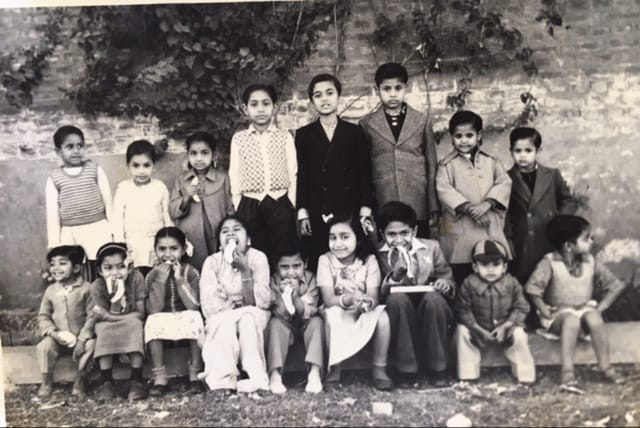
A new discourse around generational identity in India has highlighted the contributions of what is now being called Gen Free-those born in the 1950s and 1960s, in the formative years of independent India. Unlike Western classifications such as baby boomers or Gen X, this group faced unique challenges of poverty, limited resources, and the responsibility of nation-building.
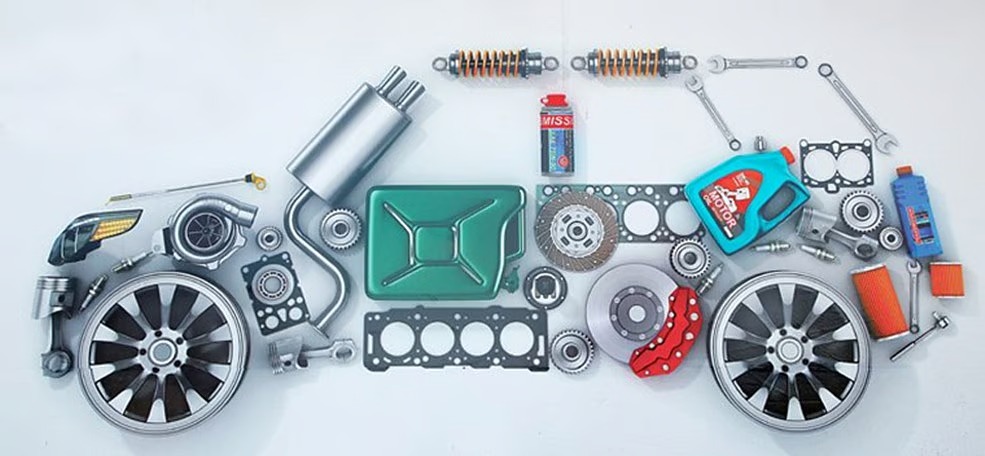
Gen Free is described as the generation that endured scarcity yet propelled India toward modernization. They were the human equivalents of the Ambassador car, carrying the nation’s load before the arrival of newer, glitzier models. Their efforts in education, infrastructure, and governance created the base for India’s later economic liberalization and global rise.
Key Highlights
-
Gen Free refers to Indians born in the early post-independence decades
-
Rejects Western generational labels like baby boomers
-
Faced poverty and limited opportunities while driving modernization
-
Contributed to education, infrastructure, and governance reforms
-
Seen as the forgotten generation that laid India’s foundation for growth
Final Takeaway
Gen Free represents resilience and sacrifice, reminding younger generations that India’s modern success rests on the struggles and achievements of those who built the nation from scratch. Recognizing their role is part of decolonizing ideas and honoring India’s unique historical journey.
Sources: The Hindu, The Statesman, Air Vice Marshal Manmohan Bahadur (Retd)