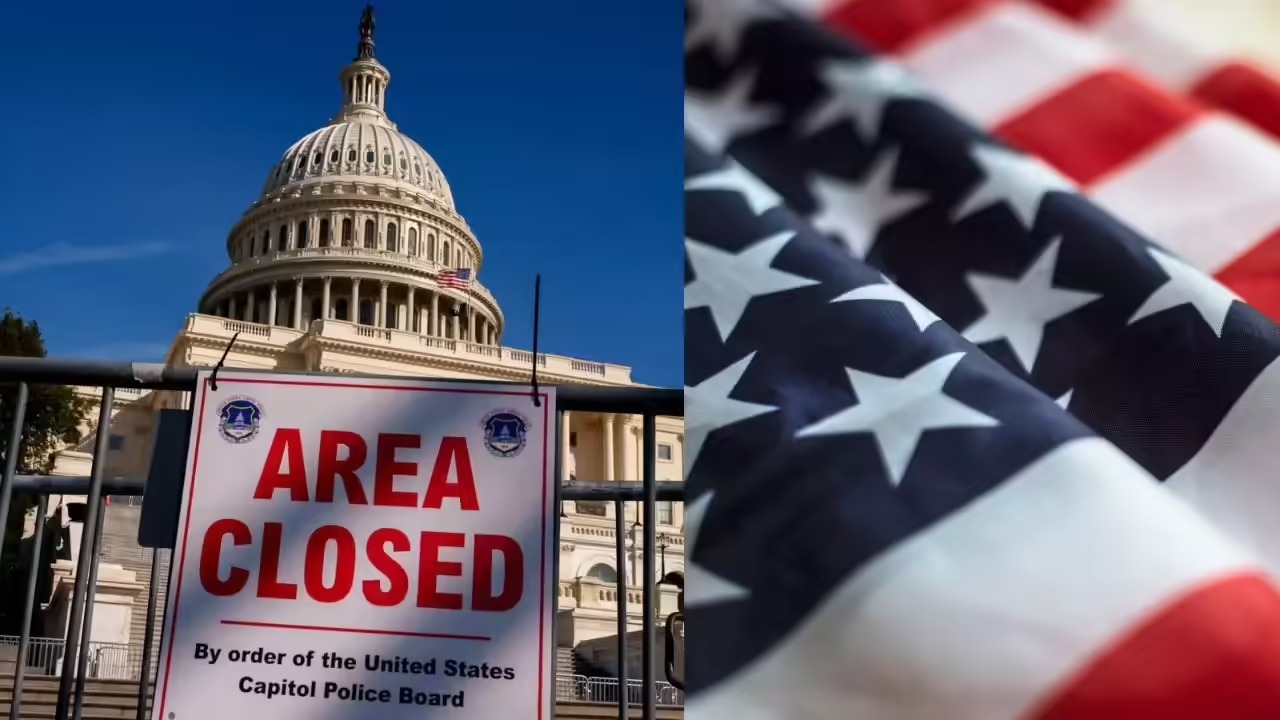

The U.S. government entered a partial shutdown at midnight on January 31, 2026, after Congress failed to pass all appropriations bills. Essential services continue, but many federal operations are disrupted. Lawmakers are expected to reconvene Monday to resolve disputes over Homeland Security funding and finalize a temporary spending package.
The United States has entered another partial government shutdown, highlighting ongoing divisions in Congress over immigration enforcement and Department of Homeland Security (DHS) funding. While the Senate approved a temporary deal, the House was not in session to pass it before the deadline, triggering a lapse in funding.
Key Highlights:
-
Shutdown began at midnight ET, January 31, 2026.
-
Essential services remain active: military operations, border security, Social Security, and Medicare continue.
-
Non-essential agencies affected: national parks, museums, and many administrative offices closed.
-
Federal employees impacted: thousands face furloughs or delayed paychecks.
-
Political backdrop: disputes center on DHS and Immigration and Customs Enforcement (ICE) funding, with Democrats opposing aggressive enforcement measures.
-
Next steps: House lawmakers return Monday to vote on the Senate-passed package, which includes temporary DHS funding and five appropriations bills.
This shutdown follows last year’s record-breaking 43-day lapse, raising concerns about economic disruption and public trust in government.
Sources: CNBC, USA Today, The Economic Times, Wikipedia (2026 U.S. Government Shutdown)