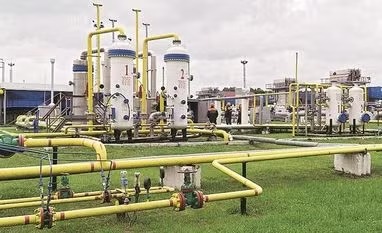




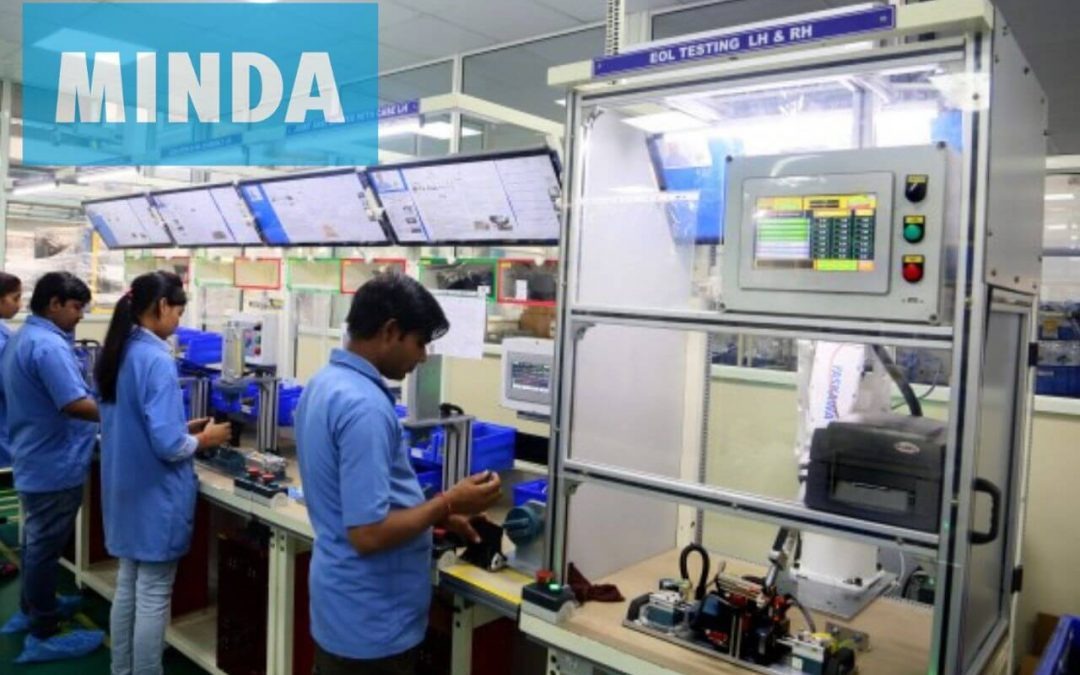


Automation is rapidly transforming the global food supply chain, with machines increasingly replacing human labor in farming, packaging, and logistics. While efficiency gains are evident, the shift is leading to truckload disruptions, workforce displacement, and concerns over long-term sustainability of food distribution systems worldwide.
Rise Of Automation In Food Logistics
From robotic harvesters to AI-driven packaging lines, automation is streamlining operations across the food industry. Companies are investing heavily in machine-led processes to cut costs, reduce errors, and meet rising consumer demand. However, this transition is reshaping traditional supply chain roles once dominated by human workers.
Impact On Trucking And Distribution
The integration of automated systems has created mismatches in supply and demand cycles, leading to truckload disruptions. Logistics firms report delays in shipments and uneven distribution patterns, as machine-led scheduling often struggles to adapt to real-time market fluctuations.
Workforce And Economic Concerns
Experts warn that while automation boosts productivity, it risks sidelining thousands of workers in agriculture and logistics. Policymakers are being urged to balance technological adoption with workforce retraining programs to ensure inclusive growth in the food sector.
Key Highlights
• Machines replacing humans in farming, packaging, and logistics
• Truckload disruptions reported due to automated scheduling
• Efficiency gains but rising concerns over workforce displacement
• Automation reshaping global food supply chain sustainability
• Calls for retraining programs to balance technology and jobs
Sources: Reuters, Bloomberg, Business Standard, The Economic Times.