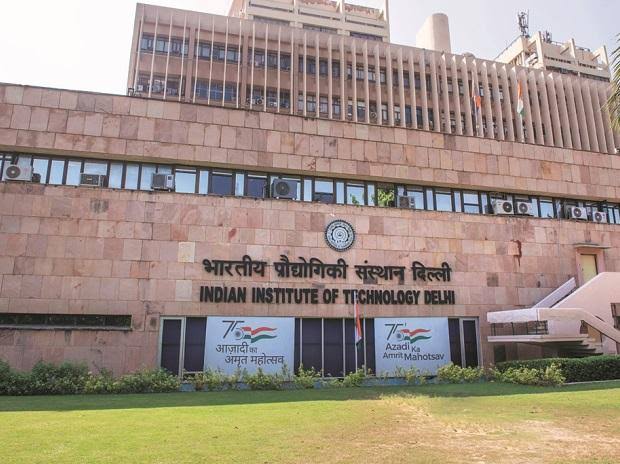
The Indian Institutes of Technology (IITs) have introduced new PhD regulations aimed at making research scholars future-ready. The changes focus on interdisciplinary learning, industry collaboration, skill development, and global exposure, ensuring that doctoral graduates are equipped to meet evolving academic, technological, and professional demands in a competitive environment.
The IIT Council has approved a significant overhaul of PhD rules across the premier institutes, marking a transformative step in India’s higher education landscape. The new framework is designed to align doctoral research with global standards while fostering innovation, employability, and industry relevance. By integrating skill-based training and encouraging cross-disciplinary research, the reforms aim to prepare scholars for diverse career paths beyond traditional academia.
Key highlights from the announcement include
-
New PhD rules emphasize interdisciplinary research and collaboration across departments.
-
Mandatory industry internships and partnerships introduced to enhance practical exposure.
-
Skill development modules in areas such as data science, AI, and entrepreneurship added to curriculum.
-
Scholars encouraged to publish in high-impact international journals and participate in global conferences.
-
Flexibility in thesis submission timelines to accommodate innovation-driven projects.
-
Focus on employability, with career support extended to roles in industry, policy, and entrepreneurship.
-
Enhanced mentorship and evaluation systems to ensure quality research outcomes.
The reforms reflect IITs’ commitment to bridging the gap between academic research and real-world applications. By mandating industry collaboration, the institutes aim to ensure that doctoral work contributes meaningfully to technological advancement and societal needs. The inclusion of skill-based modules also acknowledges the growing importance of digital literacy and entrepreneurial thinking in shaping future careers.
Analysts note that these changes will not only strengthen India’s research ecosystem but also make IIT PhD graduates more competitive globally. The emphasis on international exposure and high-quality publications is expected to raise the visibility of Indian research in global academic circles. Furthermore, the reforms align with India’s vision of becoming a knowledge economy, where innovation and research drive sustainable growth.
The new rules are being hailed as a progressive step that balances academic rigor with practical relevance. For aspiring scholars, the changes promise a more holistic and future-ready doctoral journey, positioning IITs as leaders in shaping the next generation of researchers and innovators.
Sources: The Hindu, Times of India, Business Standard