
Key Highlights
-
Privileged Access for Services: The agreement provides EU service providers preferential entry into India’s financial and maritime industries, opening opportunities for banks, insurers, shipping firms, and logistics operators.
-
Tariff Reductions: Tariffs on 96.6% of EU goods exports to India will be eliminated or reduced, covering sectors such as automobiles, machinery, pharmaceuticals, and luxury goods.
-
Consumer Goods Impact: Duties on EU fruit juices, processed foods, olive oil, margarine, vegetable oils, beer, spirits, and wine will be cut or eliminated, making European consumer products more affordable in India. Wine tariffs, for instance, will drop to 20–30%, while spirits and beer will see significant reductions.
-
Cost Savings: The EU estimates annual savings of up to €4 billion in duties, a major boost for exporters and consumers alike.
-
Climate Cooperation: The EU has pledged €500 million in support over the next two years to help India cut greenhouse gas emissions, reinforcing sustainability as a pillar of the partnership.
-
Strategic Partnership: Beyond trade, the summit launched a new EU–India Security and Defence Partnership, signaling deeper cooperation in global geopolitics, supply chain resilience, and clean energy transition.
-
Market Outlook: Analysts expect the agreement to accelerate bilateral trade volumes, foster innovation partnerships, and enhance India’s role as a hub for European investment in Asia.
Broader Context
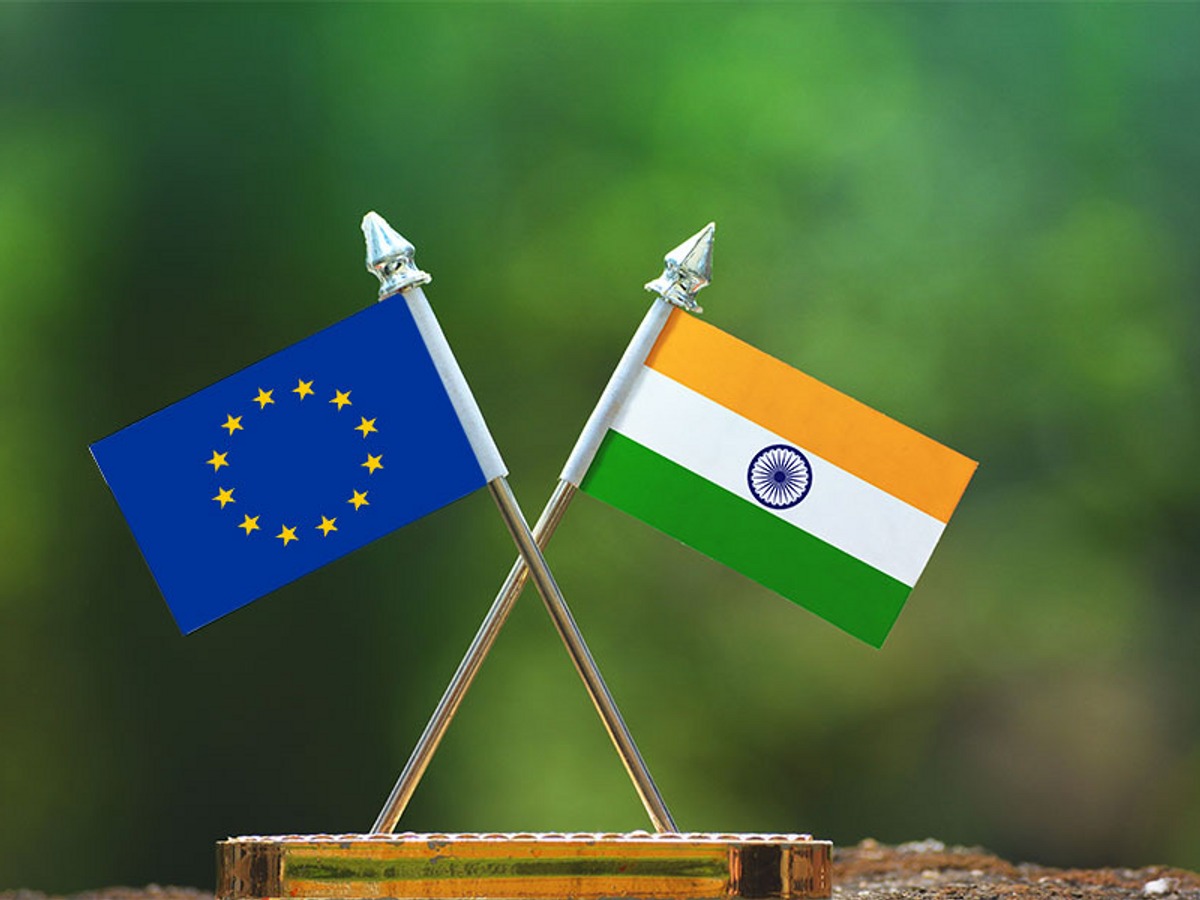
This landmark deal comes after years of negotiation and reflects a shared commitment to open markets, sustainable growth, and strategic alignment. For India, the agreement provides greater access to European markets for textiles, IT services, and renewable energy solutions. For the EU, it secures a foothold in one of the world’s fastest-growing economies, while aligning with India’s climate ambitions.
By combining tariff relief with climate-focused investment and security cooperation, the pact represents a balanced approach to economic expansion and geopolitical stability. It is widely seen as a turning point in India–EU relations, creating one of the largest trade zones globally and reinforcing both sides’ commitment to fair, rules-based commerce.
Sources: Reuters, Economic Times, Business Standard, LiveMint