India Science Festival 2026, held at IISER Pune, highlights AI, space technology, and radio astronomy. Featuring Nobel laureate Venki Ramakrishnan, AI pioneer Ashish Vaswani, and astronaut Subhanshu Shukla, the event blends expert talks, exhibitions, and public engagement. With 25,000 students attending, ISF underscores India’s growing scientific leadership.
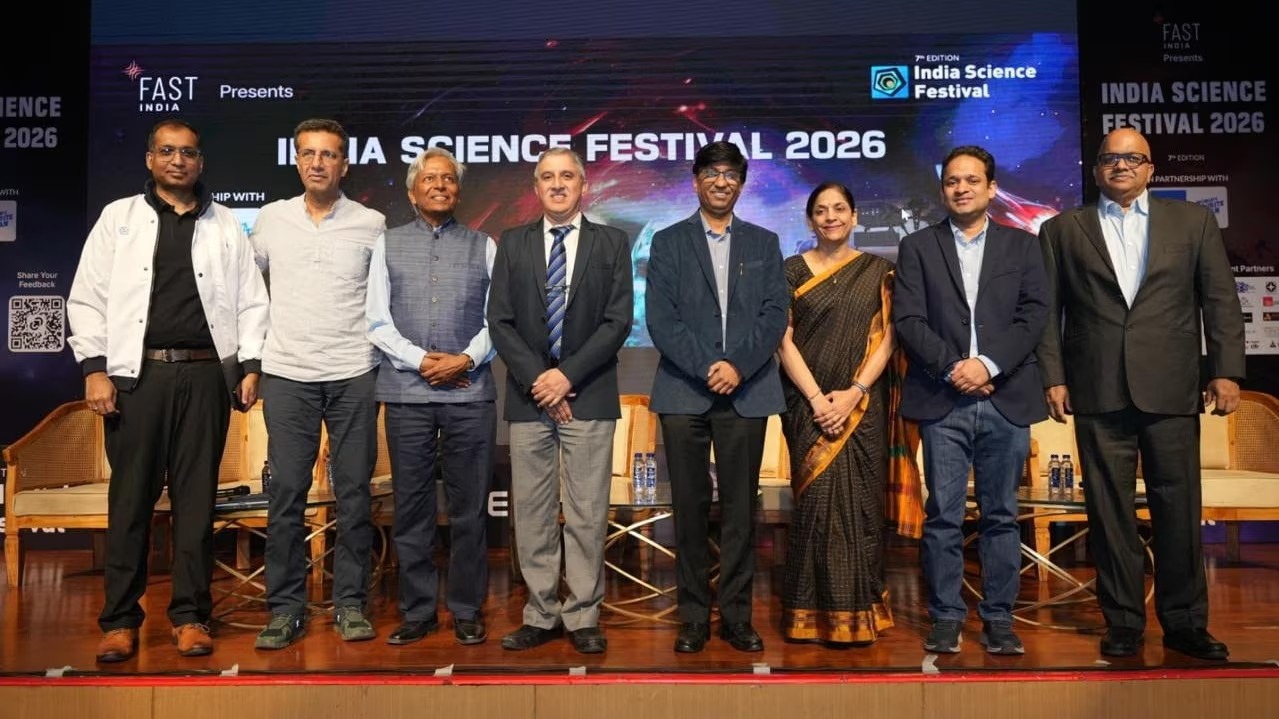
The India Science Festival (ISF) 2026 kicked off at the Indian Institute of Science Education and Research (IISER), Pune, marking the seventh edition of India’s largest public celebration of science and innovation. The two-day event, held on January 10–11, 2026, is designed to connect minds, spark curiosity, and showcase cutting-edge research.
Focus Areas
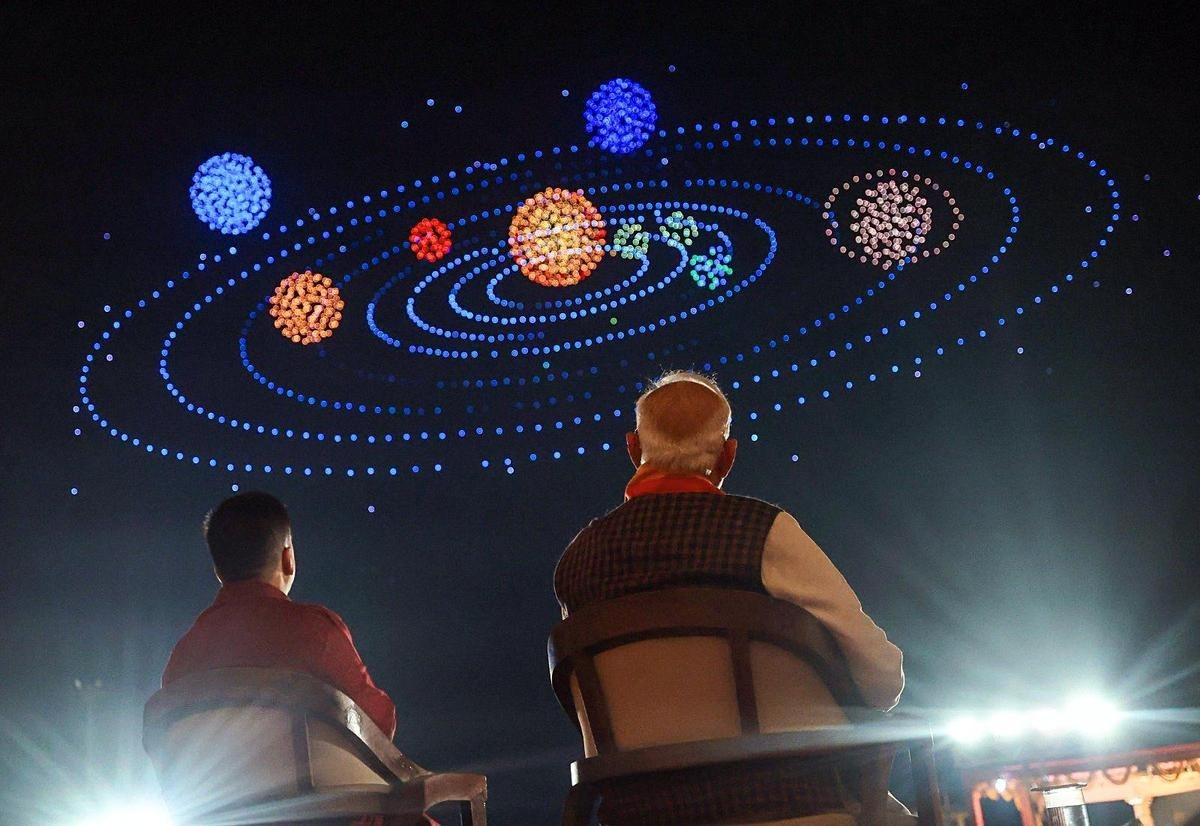
This year’s festival places a strong emphasis on artificial intelligence, space technology, and radio astronomy. Sessions on ethical AI explore how machine learning can be harnessed responsibly, while panels on space exploration highlight India’s growing ambitions in lunar and interplanetary missions. Radio astronomy discussions delve into the mysteries of the universe, reflecting India’s expanding role in global scientific collaborations.
Distinguished Voices
The festival features an impressive lineup of speakers, including Nobel laureate Venki Ramakrishnan, AI researcher Ashish Vaswani (co-creator of the Transformer model), and Subhanshu Shukla, the first Indian astronaut to set foot on the International Space Station. Their presence underscores ISF’s mission to inspire the next generation of scientists and innovators.
Public Engagement
Beyond lectures, ISF 2026 offers interactive exhibitions, theatre performances, and science-inspired art installations. Highlights include a drama chronicling India’s space journey, hands-on AI and sci-fi games with prizes worth ₹2 lakhs, and immersive experiences designed to make science accessible and exciting for all ages.
Government Backing
Addressing the gathering, Abhay Karandikar, Secretary of the Department of Science and Technology, emphasized the government’s commitment to strengthening India’s research ecosystem. Initiatives like the Anusandhan National Research Foundation (ANRF) and the Research Development and Innovation Fund (RDIF) are aimed at boosting innovation-led growth, with festivals like ISF serving as vital platforms for collaboration.
Why It Matters
With participation from 25,000 students, 1,000 professors, and 5,000 professionals, ISF 2026 is more than a festival, it is a national movement to democratize science. By blending expert insights with public engagement, the event highlights how India is positioning itself at the forefront of global scientific innovation.
Key Highlights
-
Seventh edition of ISF: Held at the Indian Institute of Science Education and Research (IISER), Pune.
-
Themes: Ethical AI, space exploration, radio astronomy, and emerging technologies.
-
Participation: Over 25,000 students, 1,000 professors, and 5,000 professionals expected.
-
Notable speakers: Nobel laureate Venki Ramakrishnan, AI pioneer Ashish Vaswani, and astronaut Subhanshu Shukla.
-
Government support: Emphasis on innovation-led growth through initiatives like ANRF and RDIF.
-
Unique experiences: Theatre dramas on India’s space journey, sci-fi and AI games, and interactive science exhibitions.
Conclusion
The India Science Festival 2026 is a celebration of curiosity, creativity, and collaboration. By focusing on AI, space technology, and radio astronomy, it not only showcases India’s scientific progress but also inspires the next generation to dream big and innovate boldly.
Sources: Hindustan Times, India Science Festival Official Websiteindiasciencefest.org, Indian Express