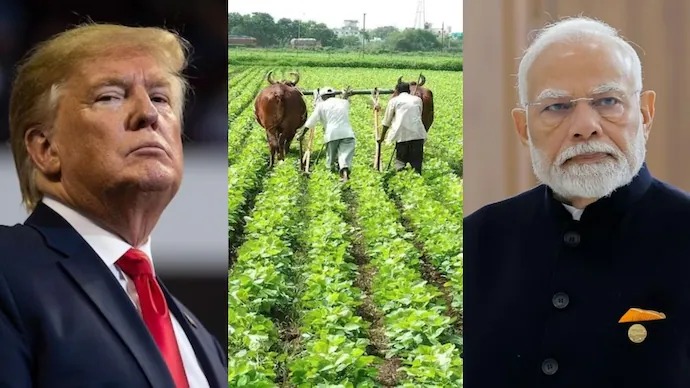








India has largely opened its agricultural sector to the United States under a new interim trade agreement, offering quota-based access for sensitive products. While tariff cuts are limited, mechanisms like minimum import prices (MIPs) and quotas aim to balance market access with protection for domestic farmers and dairy producers.
India’s trade officials have confirmed that the country has “mostly opened up” its agricultural sector to the United States, but with safeguards such as quotas and minimum import prices. The move comes as part of the recently announced India-US interim trade agreement, which sets the stage for a broader bilateral trade pact.
The agreement provides American exporters greater access to India’s agricultural market, including products like soybean oil and animal feed, while ensuring protections for sensitive sectors such as dairy and edible oils. Commerce Minister Piyush Goyal emphasized that the framework balances reciprocal trade benefits with the need to safeguard Indian farmers.
Industry stakeholders remain cautious, awaiting clarity on quota mechanisms, tariff exemptions, and quality standards. The deal highlights India’s strategy of offering controlled market access while maintaining domestic resilience.
Key Highlights
-
Market Access: India opens agricultural sector to US with quota-based imports.
-
Safeguards: Minimum import prices (MIPs) and quotas protect sensitive farm products.
-
Trade Balance: India exports $3.4 billion worth of agricultural goods to the US annually, while imports stand at $2.1 billion.
-
Policy Intent: Framework ensures reciprocal trade while protecting dairy and edible oil sectors.
-
Next Steps: Industry awaits clarity on tariff cuts, quota limits, and cess exemptions.
Sources: India TV News, Outlook Business, Business Standard, Times of India, The White House Joint Statement