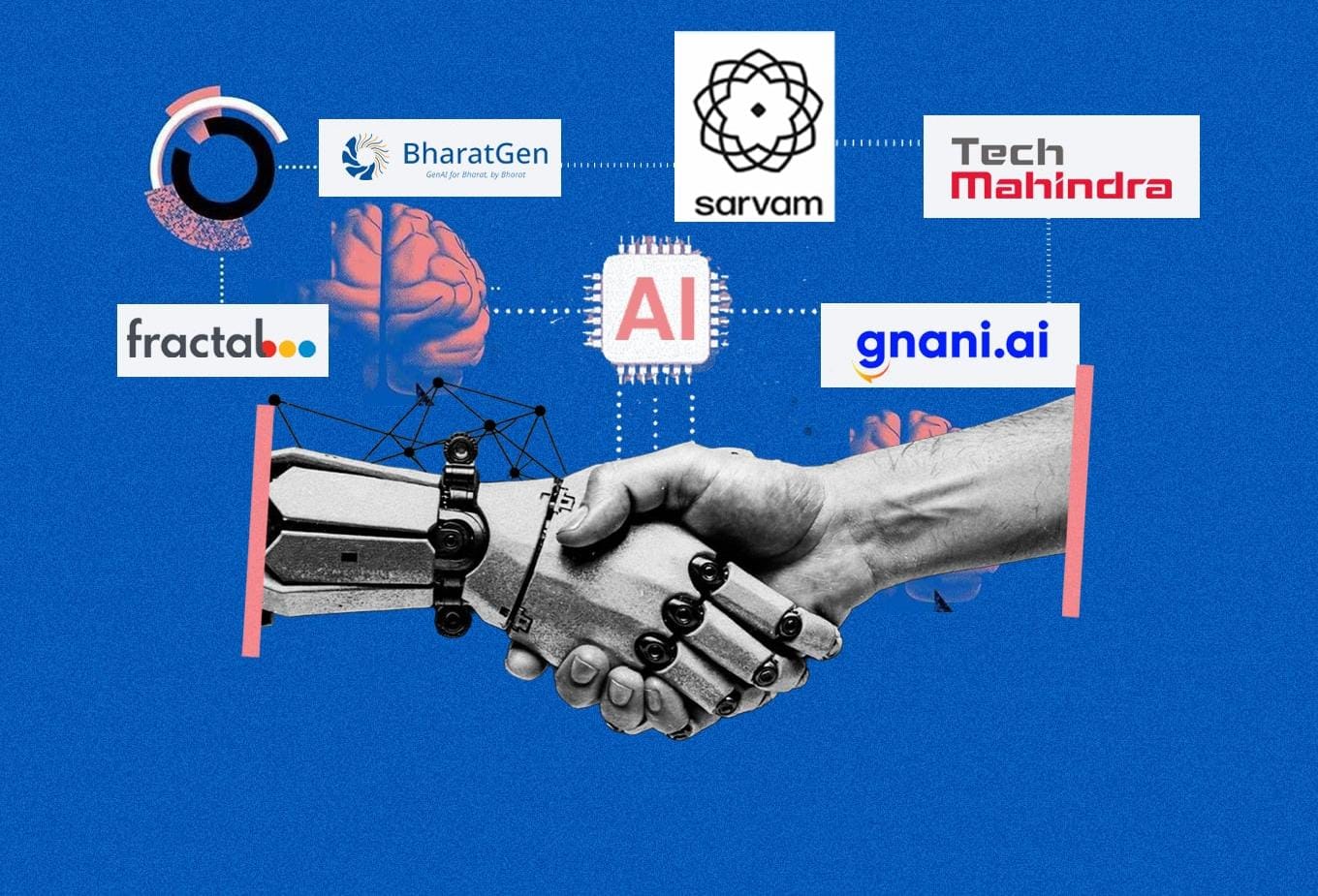




In a strategic move to bolster India's AI landscape, the government has released a white paper titled "Advancing Indigenous Foundation Models." This roadmap prioritizes homegrown AI systems trained on local datasets to drive inclusive growth and technological self-reliance. The initiative aims to reduce dependence on foreign models and align AI with national values.
The Office of the Principal Scientific Adviser unveiled the document on March 12, 2026, as part of an ongoing AI Policy White Paper Series. It outlines a comprehensive plan to develop India's own foundation models—large-scale AI systems capable of handling text, images, audio, and video for tasks like translation and summarization. This release underscores India's push for a robust digital ecosystem amid global AI competition.
White Paper Overview
The paper emphasizes building indigenous AI foundation models to ensure transparency, inclusivity, and alignment with India's legal and security frameworks. Unlike overseas models often trained on non-representative datasets, these will leverage India-specific data to better serve diverse linguistic and cultural needs. Key to this is fostering public-private collaborations to accelerate development.
Role of LLMs and SLMs
Large Language Models (LLMs) will tackle broad applications across sectors, while Small Language Models (SLMs) offer cost-effective, specialized solutions for domains like agriculture and healthcare. Multimodal models combining text, speech, and vision are highlighted for energy efficiency and affordability. This dual approach promotes innovation in climate action, education, urban governance, and MSMEs.
Key Highlights
-
Positions indigenous AI as vital for inclusive growth, public welfare, and digital self-reliance in India's AI strategy.
-
Targets sectors including health, education, agriculture, and governance with tailored, efficient models.
-
Encourages partnerships between government institutions and private firms to bridge data diversity gaps.
-
Focuses on linguistic inclusion and national priorities to enhance global AI competitiveness.
This white paper marks a pivotal step in India's journey toward AI sovereignty, potentially transforming its digital infrastructure.
Sources: DD News, NewKerala, CNBC TV18, Storyboard18