India’s Union Budget Day combines economic planning, historic reforms, fascinating records, and time-honoured traditions. From record speeches and digital budgets to the symbolic Halwa Ceremony, Budget Day reflects how governance, secrecy, and fiscal priorities converge before shaping the nation’s economic direction.
The Union Budget of India is the government’s annual financial statement outlining revenue, expenditure, fiscal deficit, and policy priorities for the upcoming financial year. Presented every year on February 1, it allows ministries to operationalize allocations from April 1. The Budget is presented by the Finance Minister, currently Nirmala Sitharaman, and is preceded by weeks of confidential preparation.
Key Highlights, Figures, And Historical Facts:
-
India has presented more than 75 Union Budgets since Independence in 1947.
-
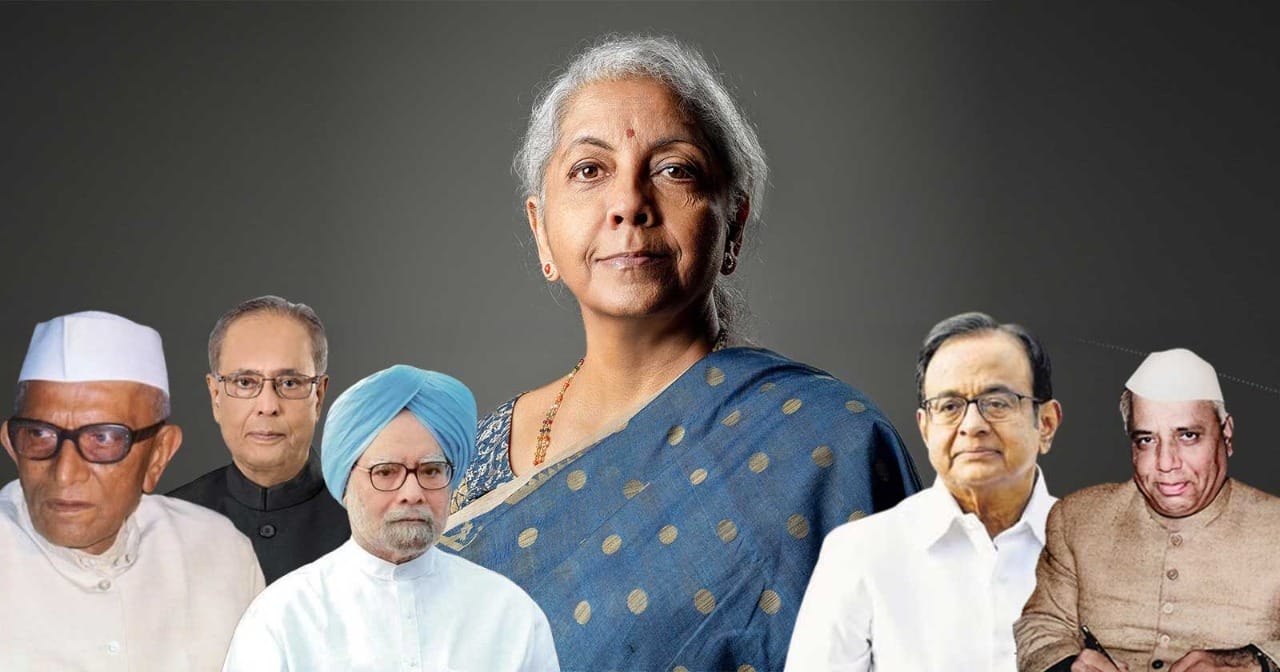
Morarji Desai holds the record for presenting the maximum number of Budgets at 10.
-
The Budget presentation time shifted from 5:00 PM to 11:00 AM in 1999, ending a colonial-era practice.
-
The Railway Budget was merged with the Union Budget in 2017, concluding a 92-year tradition.
-
The longest Budget speech was delivered in 2020, lasting nearly 2 hours and 40 minutes.
-
The shortest Budget speech, in 1977, lasted less than 30 minutes.
-
The traditional Budget briefcase was replaced by a bahi-khata in 2019, reflecting Indian accounting heritage.
-
Since 2021, Budget documents have been fully paperless, distributed digitally to Members of Parliament.
The Halwa Ceremony: A Tradition Before The Budget:
Before the Budget reaches Parliament, the Halwa Ceremony marks the beginning of the final and most secretive phase of preparation. Held at the North Block in New Delhi, the ceremony involves the Finance Minister serving halwa to officials involved in Budget drafting, printing, and translation. This ritual signifies that the Budget is finalized and no further changes can be made.
Facts And Trivia About The Halwa Ceremony:
-
The ceremony follows the Indian tradition of starting important work by sharing sweets.
-
It takes place about a week before Budget Day.
-
After the ceremony, officials enter a mandatory lock-in period inside the North Block.
-
All external communication, including phones and internet access, is restricted during this phase.
-
Hundreds of officials, security staff, and printers participate to ensure confidentiality.
-
Even with digital budgets, physical lock-ins continue alongside encryption measures.
Economic And Market Impact:
On Budget Day, Indian stock markets often witness heightened volatility, with benchmark indices reacting within minutes of major announcements. Sectors such as banking, infrastructure, agriculture, and taxation-sensitive industries are particularly affected by allocation changes and policy signals.
Cultural And Administrative Significance:
Budget Day is broadcast live from Parliament and followed by economists, businesses, and citizens alike. Post-Budget press conferences, parliamentary debates, and expert panels ensure public scrutiny and democratic accountability. The Economic Survey, released a day before the Budget, sets the analytical foundation for policy decisions.
Looking Ahead:
As India’s economy expands toward becoming a multi-trillion-dollar powerhouse, Budget Day continues to evolve through digital access, outcome-based budgeting, and transparency reforms. Beyond figures, it remains a powerful indicator of the nation’s priorities, aspirations, and governance philosophy.
Sources: Ministry of Finance, Government of India, Press Information Bureau (PIB), PRS Legislative Research, Reserve Bank of India