
India’s 100 GW nuclear target by 2047 increasingly depends on small modular reactors (SMRs) and Bharat Small Reactors (BSRs), backed by a ₹20,000 crore SMR R&D mission, private participation via the SHANTI framework, and cost advantages projected by L&T. Policy sops, faster clearances, and indigenous manufacturing are pivotal to scale.
India’s nuclear expansion plan is entering a decisive phase, with SMRs positioned as the backbone of the 100 GW target by 2047. The government has announced a ₹20,000 crore Nuclear Energy Mission for SMR R&D, aiming to operationalize at least five indigenous SMRs by 2033, alongside amendments to enable private participation—signaling a structural shift in how nuclear capacity will be built and financed.
Key highlights from the announcement include
-
India targets 100 GW nuclear capacity by 2047, with SMRs and BSRs central to deployment strategy.
-
A ₹20,000 crore SMR R&D mission is sanctioned; at least five indigenous SMRs to be operational by 2033.
-
Policy changes under SHANTI and proposed amendments to the Atomic Energy Act and Civil Liability Act aim to enable private participation and de-risk projects.
-
L&T projects India can build SMRs 30% cheaper than global peers, estimating around ₹30 crore per MW versus ₹50–100 crore internationally.
-
Industry seeks renewable-style incentives—GST relief, green financing, and faster clearances—to improve nuclear project viability.
-
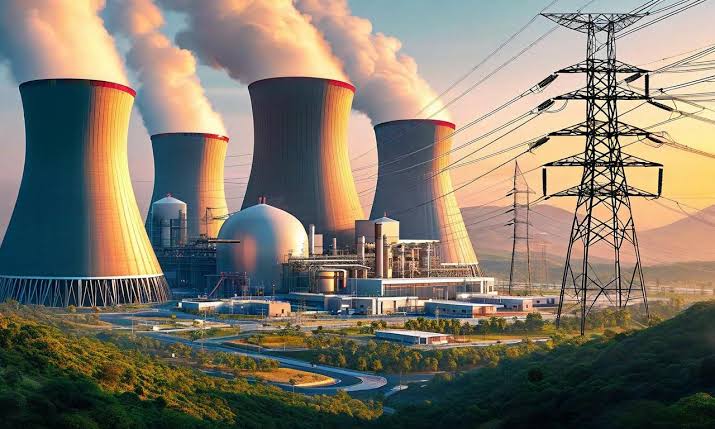
SMRs promise modular construction, smaller footprints, and grid-friendly deployment near industrial clusters and renewables hubs.
-
Supply-chain development, skilled workforce, and indigenous technology are identified as critical enablers for scale-up.
Why SMRs Are Central To The 100 GW Path
SMRs offer shorter build cycles, standardized factory fabrication, and phased capacity addition—addressing the long lead times and financing risks of large reactors. Their siting flexibility supports industrial decarbonization and complements variable renewables, making them a pragmatic bridge to India’s net-zero goals by 2070. Policy tailwinds and cost localization are expected to unlock bankability and speed.
The Road Ahead
Execution will hinge on aligning regulatory reforms, tariff frameworks, liability clarity, and domestic manufacturing scale. With cost competitiveness, private capital, and sovereign support converging, SMRs could transform nuclear from niche baseload to a scalable clean energy pillar—anchoring India’s 100 GW nuclear ambition.
Sources: Press Information Bureau, WION, ETEnergyWorld, The Hindu BusinessLine, Financial Express