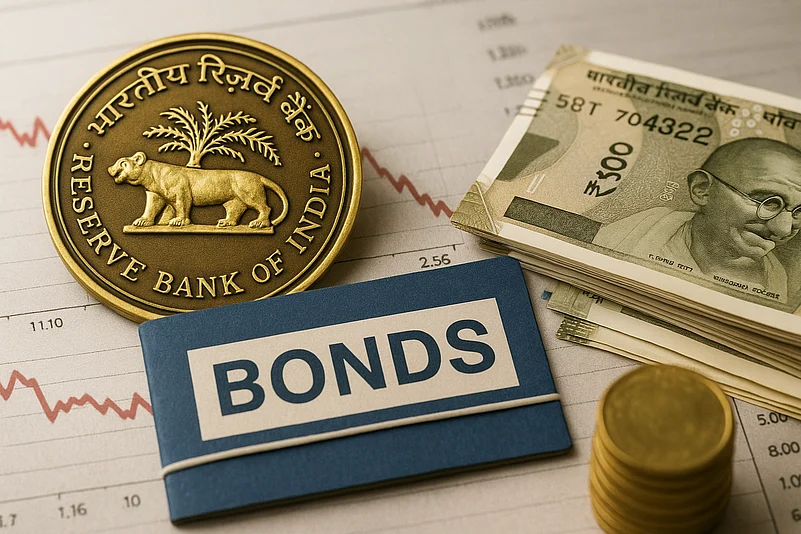



India is on the verge of a major financial market innovation as the Reserve Bank of India prepares to introduce bond forwards from May 2, a move widely expected to boost demand for state government bonds and ease borrowing costs for sub-national issuers. This fresh derivative product is poised to deepen India’s local bond market, offering new tools for investors and insurers to manage interest rate risk and align asset-liability strategies.
Key Highlights:
-
What’s Changing: Bond forwards will allow investors to buy government securities at a pre-agreed price for future delivery, unlike the current forward rate agreements (FRAs) that settle only in cash. This physical delivery option is especially attractive to insurance companies and long-term investors, enabling them to secure bonds without scrambling in the secondary market.
-
Why It Matters: State Development Loans (SDLs) typically offer higher yields than central government bonds—recent auctions saw a 10-year SDL at about 6.6%, versus 6.4% for similar-maturity federal bonds. The new bond forwards are expected to drive demand for SDLs, helping states borrow at lower spreads and reducing volatility in the market.
-
Who Benefits: Insurance companies, with their long-term liabilities, are likely to be the biggest participants, but the product is also expected to attract banks, primary dealers, and other institutional investors. This broader participation will enhance market liquidity and stability.
-
Market Impact: The introduction of bond forwards is anticipated to compress the yield spread between state and central bonds over time, making state debt more attractive and affordable. It also gives investors new ways to hedge interest rate risk or take strategic positions, potentially increasing demand for both 10-year and ultra-long state bonds.
-
Broader Context: Indian states are projected to borrow around ₹12 trillion this year, nearly matching central government borrowing. The move to bond forwards comes amid record state debt auctions and a push for deeper, more resilient domestic debt markets.
With this reform, India is not only modernizing its debt market infrastructure but also paving the way for more efficient, stable, and investor-friendly state bond markets—an essential step as state-level borrowing continues to rise.
Source: Reuters, Economic Times, Business Standard