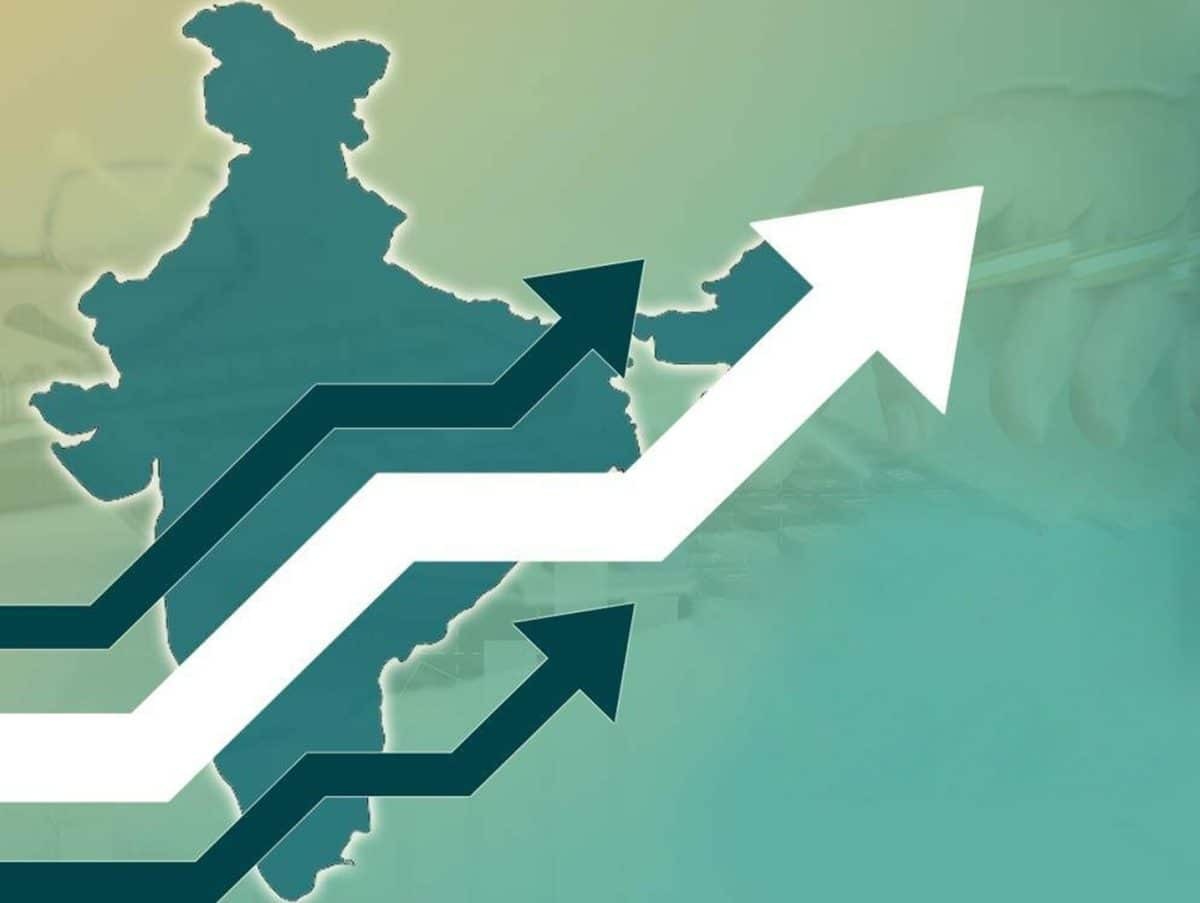




India’s economy is projected to grow at 6.3 percent in 2026, maintaining its position as the fastest-growing major economy. Policymakers have identified seven focal areas—ranging from infrastructure and digital innovation to green energy and skill development—that will help sustain growth despite global uncertainties and market volatility.
India enters 2026 with strong economic fundamentals and a clear roadmap to sustain growth momentum. With GDP expected to expand at 6.3 percent, the government and industry leaders are focusing on seven critical areas of action to ensure resilience, inclusivity, and long-term competitiveness. These priorities reflect both domestic needs and global opportunities.
Key highlights from the announcement include
-
Infrastructure expansion remains central, with continued investment in roads, railways, ports, and urban development to boost productivity.
-
Digital innovation and technology adoption are being prioritized, including AI, fintech, and e-governance platforms to enhance efficiency.
-
Green energy transition is a major focus, with renewable power projects and hybrid energy solutions supporting India’s net-zero goals.
-
Skill development programs are being scaled up to prepare the workforce for emerging industries, particularly in manufacturing and services.
-
Global trade partnerships, including a possible US-India trade deal, are expected to open new markets and strengthen exports.
-
Financial inclusion and credit access for MSMEs are being expanded to drive entrepreneurship and job creation.
-
Macroeconomic reforms, including fiscal discipline and monetary easing, will continue to stabilize inflation and support domestic demand.
Reports highlight that India’s growth will become more broad-based in 2026, with contributions from manufacturing, services, agriculture, and digital sectors. The revision of the GDP base year and improved data accuracy are expected to aid better policy interventions. Analysts note that India’s ability to balance reforms with social welfare programs will be crucial in sustaining momentum.
The seven focal areas represent a holistic approach to growth, combining infrastructure, technology, sustainability, and human capital. By aligning domestic priorities with global trends, India is positioning itself as a resilient economy capable of weathering external shocks while driving inclusive prosperity.
As 2026 unfolds, India’s growth agenda will be closely watched by global investors and policymakers, reinforcing its role as a key driver of the world economy.
Sources: Economic Times, PIB, Fortune India