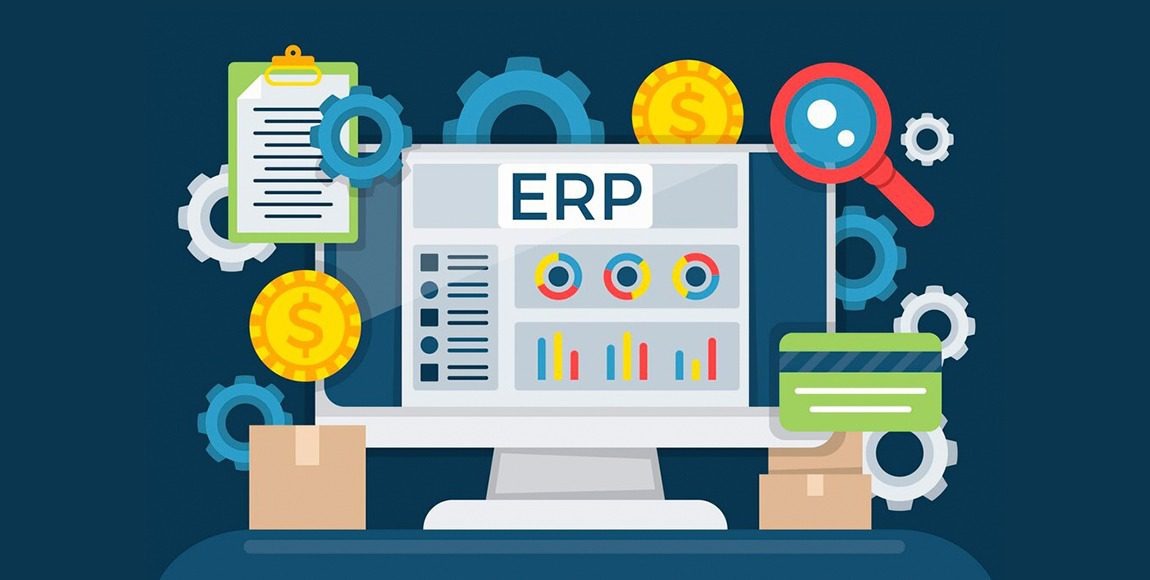

India is entering a transformative decade of broad-based, multi-sectoral growth, powered by digital infrastructure, MSME support, and indigenous manufacturing. As enterprises scale rapidly, traditional ERP systems are proving inadequate. Industry leaders stress the need for next-generation ERP platforms that act as the digital nervous system, enabling agility, transparency, and resilience across operations.
India’s economy is scaling faster than ever, with growth no longer concentrated in select industries or metros. The expansion is multi-sectoral, deeply digitized, and policy-driven, creating new demands on enterprise systems. According to Hindustan Times, India’s ambition to become a developed economy requires businesses to rethink ERP as the core digital backbone of operations.
Traditional ERP platforms, designed for incremental growth, are struggling to keep pace with the speed, transparency, and intelligence required in 2026. Cloud-native and AI-driven ERP solutions are emerging as the answer, offering predictive insights, real-time adaptability, and seamless integration across supply chains.
Key Highlights:
-
Economic Context: India’s growth is broad-based, spanning MSMEs, manufacturing, defence, and electronics.
-
ERP Challenge: Legacy systems lack agility and scalability for rapid expansion.
-
Next-Gen ERP: Cloud and AI-enabled platforms provide predictive analytics, automation, and resilience.
-
Policy Support: Government frameworks are catalyzing MSME digitization and indigenous manufacturing.
-
Strategic Imperative: Enterprises must adopt ERP as the digital nervous system to sustain competitiveness.
India’s scaling trajectory makes ERP transformation not just a technology upgrade but a strategic necessity for enterprises aiming to thrive in the next decade.
Sources: Hindustan Times; LinkedIn ERPbyNet; Innovation Guide 2026 (SAP S/4HANA)