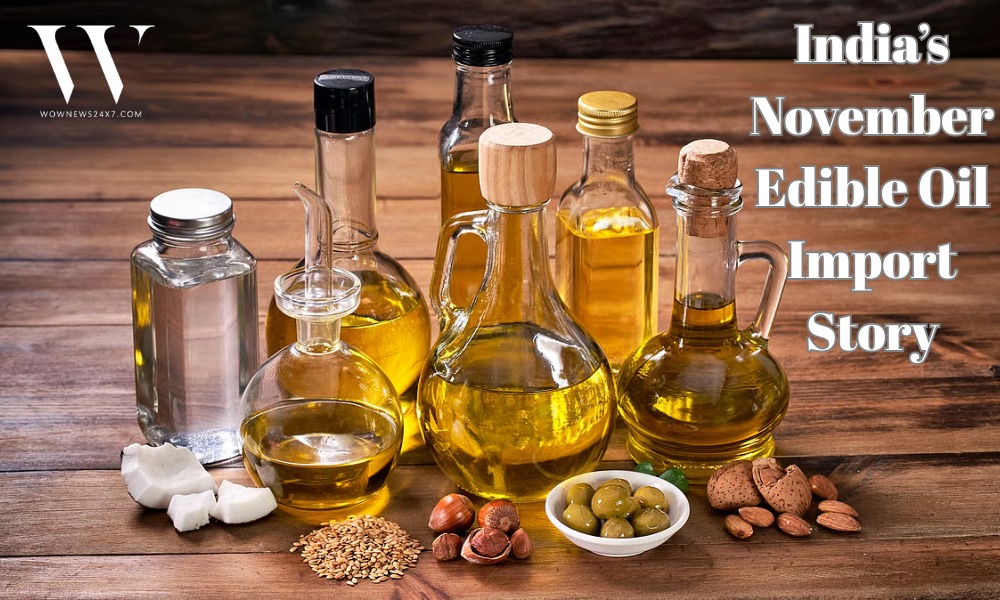





India’s edible oil imports in November 2025 showed mixed trends: soyoil fell to 370,661 tonnes, sunflower oil dropped to 142,953 tonnes, while palm oil rose to 632,341 tonnes. Overall vegetable oil imports declined from October’s 1.33 million tonnes, reflecting price pressures and supply constraints in global markets.
Import Dynamics Shift Across Key Oils
India, the world’s largest importer of edible oils, witnessed notable shifts in its import volumes during November 2025, according to trade body data reported by Reuters. While palm oil imports rose, both soyoil and sunflower oil saw significant declines, reflecting changing demand patterns and global supply dynamics.
Key Highlights
-
Soyoil Imports: India imported 370,661 tonnes of soyoil in November, down from 454,619 tonnes in October, marking a sharp decline as buyers adjusted to higher international prices and domestic availability.
-
Sunflower Oil Imports: Imports fell steeply to 142,953 tonnes from 260,548 tonnes in October, largely due to reduced shipments from Ukraine and Russia amid supply constraints.
-
Palm Oil Imports: In contrast, palm oil imports increased to 632,341 tonnes compared to 602,381 tonnes in October, as palm oil remained competitively priced and widely available from Indonesia and Malaysia.
-
Overall Vegetable Oil Imports: Total imports stood lower compared to October’s 1.33 million tonnes, reflecting a broader slowdown in edible oil demand.
Market Implications
The decline in soyoil and sunflower oil imports highlights India’s sensitivity to global price fluctuations and supply chain disruptions. Palm oil’s rise underscores its role as the most affordable and accessible option for Indian refiners. Analysts suggest that these shifts could influence retail cooking oil prices and impact consumer choices in the coming months.
Final Word
India’s November import data paints a picture of strategic adjustments by traders balancing cost, availability, and consumer demand. With palm oil gaining ground and sunflower oil shrinking, the edible oil market remains dynamic, shaped by global geopolitics and domestic consumption trends.
Sources: Reuters Trade Body Data, RTRS Commodity Reports