










Follow WOWNEWS 24x7 on:


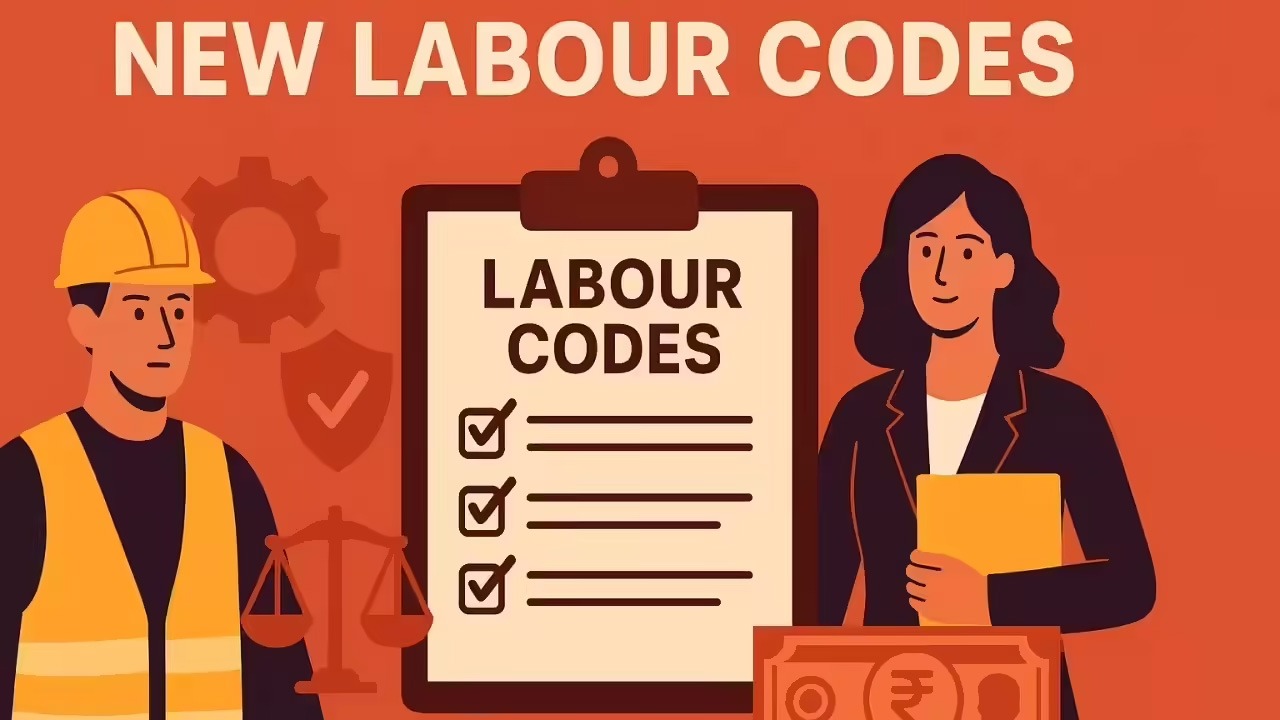
India's new labour codes, effective November 21, 2025, pivot from job protection to worker empowerment via the Worker Re-skilling Fund. Employers deposit 15 days' wages per retrenched worker for skill upgrades amid AI disruptions, covering gig workers too, though implementation gaps persist
Show moreStay Ahead – Explore Now! Digital Kiranas: How the Neighborhood Store Became a Tech-Savvy Supermarket











Follow WOWNEWS 24x7 on:





Copyright 2024 WOWNEWS 24x7. All rights reserved. The WOWNEWS 24x7 is not responsible for the content of external sites. Read about our approach to external linking.
Powered By Just Imagine
