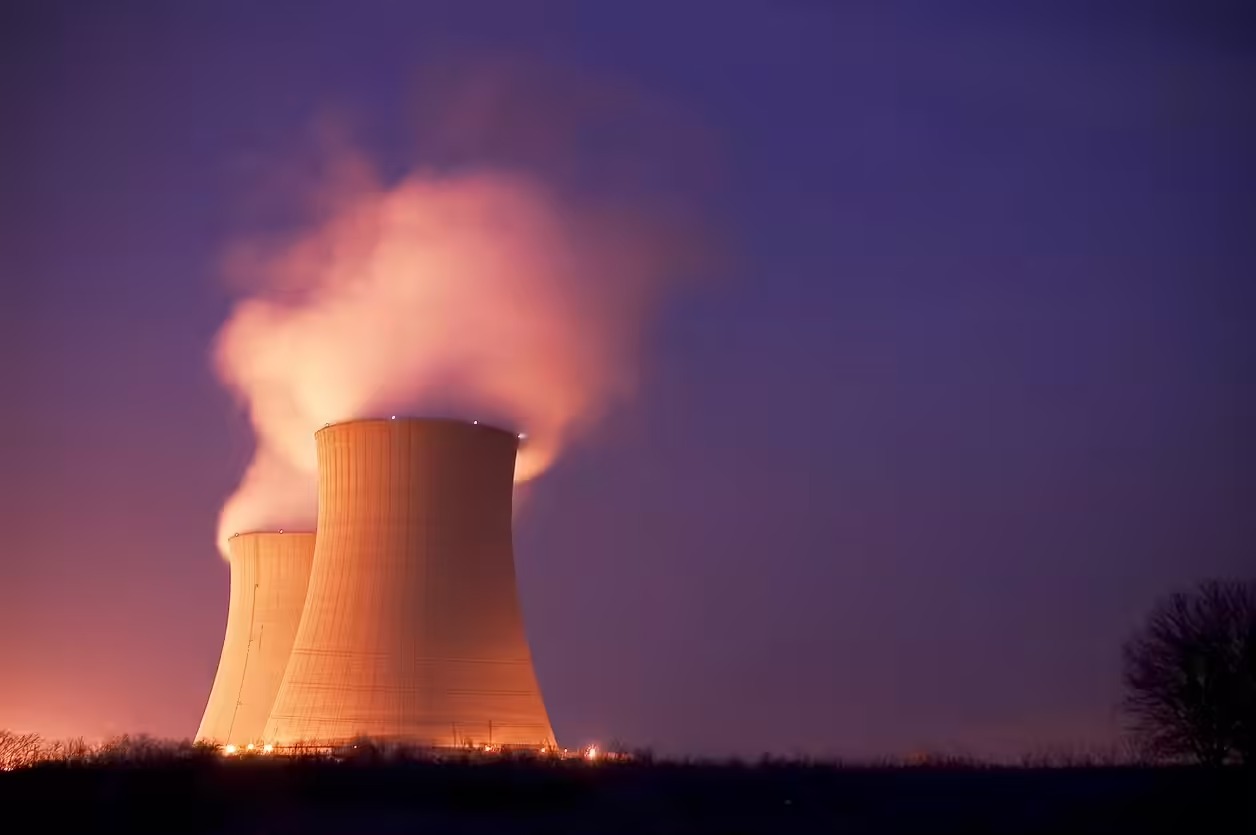





The Lok Sabha has introduced a landmark bill to open India’s nuclear power sector to private players while overhauling the liability regime. The legislation seeks to attract investment, accelerate nuclear capacity expansion, and strengthen safety oversight, marking the most significant reform in atomic energy since the 1962 Act.
India’s nuclear energy framework is undergoing a historic shift with the introduction of a new bill in the Lok Sabha aimed at liberalizing the sector. The legislation proposes to allow private companies to participate in nuclear power generation, a domain previously restricted to state-owned entities. It also seeks to modernize liability provisions, ensuring accountability and safety while aligning India’s practices with global standards.
Key highlights from the announcement include
-
Private participation will be permitted in nuclear power generation, breaking the monopoly of public sector undertakings.
-
The bill introduces a revised liability regime, balancing operator accountability with investor confidence.
-
An independent nuclear safety authority will be established to oversee compliance and enforce safety standards.
-
The legislation sets ambitious targets for nuclear capacity expansion, supporting India’s net-zero commitments by 2070.
-
The framework allows for import and export of nuclear materials and technology, enhancing global collaboration.
-
Industry experts view the bill as a strategic move to mobilize capital, accelerate technology adoption, and reduce reliance on fossil fuels.
-
The reform is expected to attract both domestic and foreign investment, positioning India as a competitive player in the global nuclear energy market.
This development underscores India’s commitment to sustainable energy and climate responsibility. By opening the nuclear sector to private participation and strengthening liability norms, the government aims to ensure both growth and safety. The bill represents a turning point in India’s energy transition, combining industrial expansion with environmental stewardship.
Sources: Mint, NDTV, Economic Times, Business Standard, Insights on India