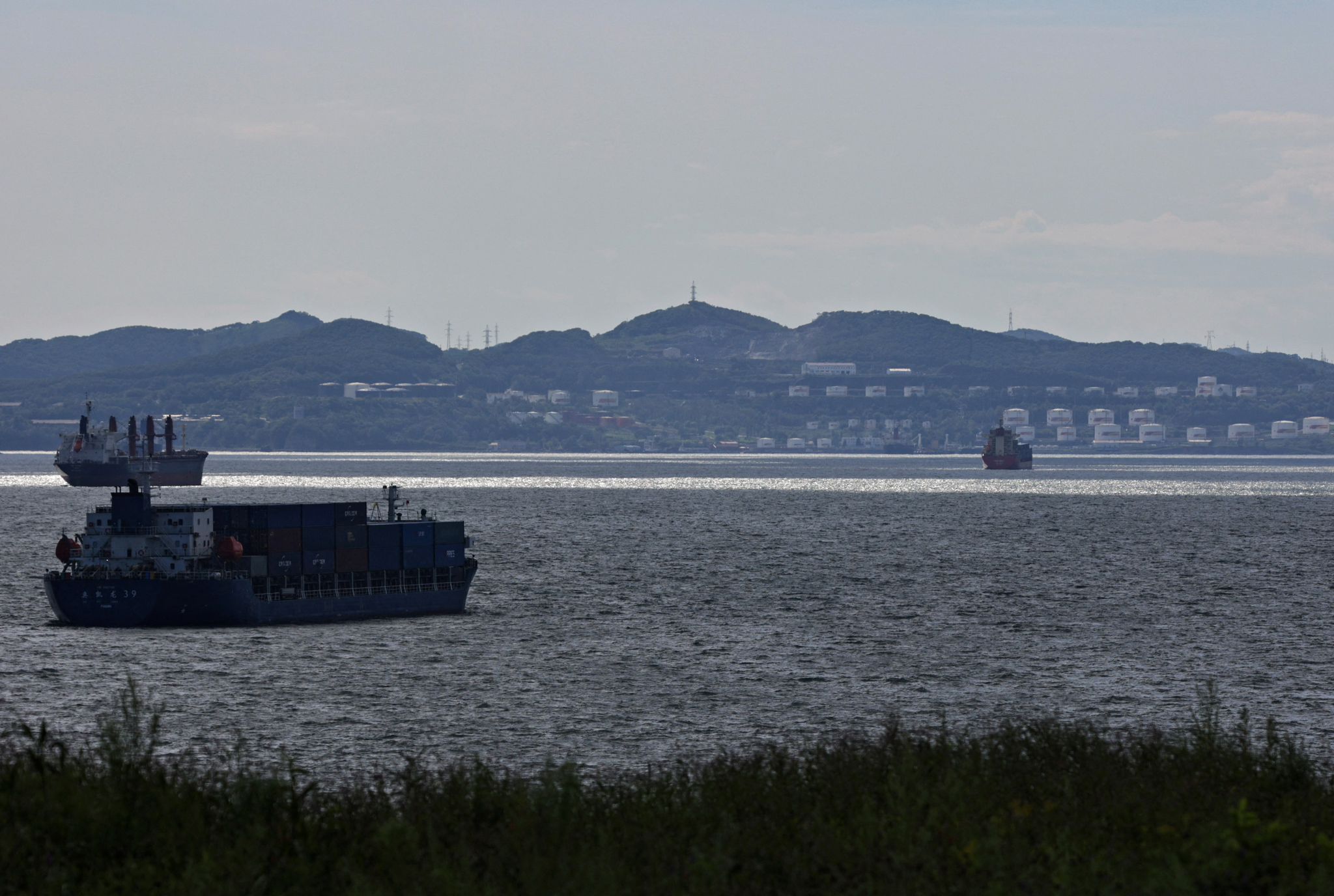
 Image Source: Reuters
India, the world's third-largest crude oil importer, saw a significant dip in its imports of Russian crude oil in July 2025, accompanied by a notable omission of Latin American oil supplies, according to recent trade data. This development reflects shifting market dynamics amid geopolitical pressures and changing global supply strategies.
Key Highlights of India’s July 2025 Crude Oil Import Trends
Russia accounted for 34% of India’s total crude imports in July 2025, but volumes fell by 24.5% compared to June, with imports averaging 1.5 million barrels per day (bpd).
India's crude oil imports in July fell to 4.44 million bpd, marking the lowest monthly import level since September 2023.
Private refiners Reliance Industries, Nayara Energy (part-owned by Russia’s Rosneft), and HPCL-Mittal Energy collectively absorbed around 60% of the Russian crude imported by India in July.
State-owned refiners reduced their Russian crude purchases in favor of increased supplies from the Middle East and the United States, signaling a pivot in sourcing strategy.
Reliance notably cut its Russian crude import by 19% in July after high imports in the previous month, influencing overall Russian supply volumes to India.
Reasons Behind the Decline and Skipping Latin American Oil
Narrowing discounts on Russian Urals crude reduced the economic incentive for Indian refiners to maintain high imports.
Seasonal monsoon-related demand dips in India alleviated immediate import requirements.
Growing geopolitical and trade pressures, including U.S. tariff threats linked explicitly to India’s purchases of Russian oil, influenced Indian state refiners to reduce Russian imports.
Additionally, India skipped imports of crude oils from Latin American countries in July, a supply source that previously contributed to its crude mix. This marked the first time since at least 2011 that no Latin American oil was recorded in Indian imports for a month.
Shifts away from Latin American oil result from changing price dynamics and preference for Middle Eastern and U.S. oil, arguably more reliable amid geopolitical uncertainties.
Impact on India’s Crude Import Portfolio and Future Outlook
The share of OPEC countries, particularly Middle Eastern producers such as Saudi Arabia and Iraq, rose to a five-month high in India’s imports in July.
U.S. crude imports increased by 58% in the January-July period leading up to 2025, indicating a growing diversification of supply sources.
With several Indian refineries increasing their Middle East and American crude intake, the country aims to stabilize its supply chain against geopolitical risks.
Industry experts anticipate that Russian crude imports may continue to decline or remain subdued in August and September 2025 due to the approaching U.S. tariffs and global sanctions environment.
Geopolitical and Market Implications
The U.S. government warned India against continued Russian oil purchases and recently announced escalated tariffs linked to this trade, influencing India’s sourcing decisions.
Russia’s crude shipments to India plunged sharply in recent weeks, with average daily shipments in August falling to about 400,000 barrels—a drastic reduction from early 2025 levels.
China has begun absorbing some of the reduced Russian crude volumes that India is avoiding, but not at volumes sufficient to fully replace India’s previous demand.
The reduction in Indian imports adds to the complexity of global crude flows and reinforces the shifting landscape of energy geopolitics amidst sanctions and trade disputes.
Conclusion
India’s sharp decline in Russian crude oil imports coupled with the bypassing of Latin American supplies in July 2025 highlights a strategic recalibration in the country’s energy procurement. Driven by economic, seasonal, and geopolitical factors, India appears to be diversifying its crude suppliers with greater emphasis on Middle Eastern and American sources, while navigating the challenging waters of global sanctions and trade diplomacy. This evolving landscape will be critical in shaping India’s energy security and policy in the months ahead.
Sources: Economic Times, The Moscow Times, Business Standard, Reuters
Advertisement
Advertisement