




India’s Wholesale Price Food Index fell 2.6% year-on-year in November 2025, government data showed. The decline reflects improved harvests, stable supply chains, and softer global commodity prices. Analysts say easing food inflation supports household budgets, strengthens industry, and aligns with India’s broader inflation management and economic stability goals.
Food Inflation Turns Negative
India’s Wholesale Price Food Index (WPI-Food) recorded a -2.6% year-on-year decline in November 2025, according to government data reported by Reuters. This marks a significant cooling in wholesale food prices, reflecting improved supply conditions and easing cost pressures across key commodities.
Key Highlights
-
Index Performance: The WPI-Food index dropped 2.6% Y/Y, reversing earlier upward trends.
-
Drivers of Decline: Better harvests, stable supply chains, and softer global commodity prices contributed to the moderation.
-
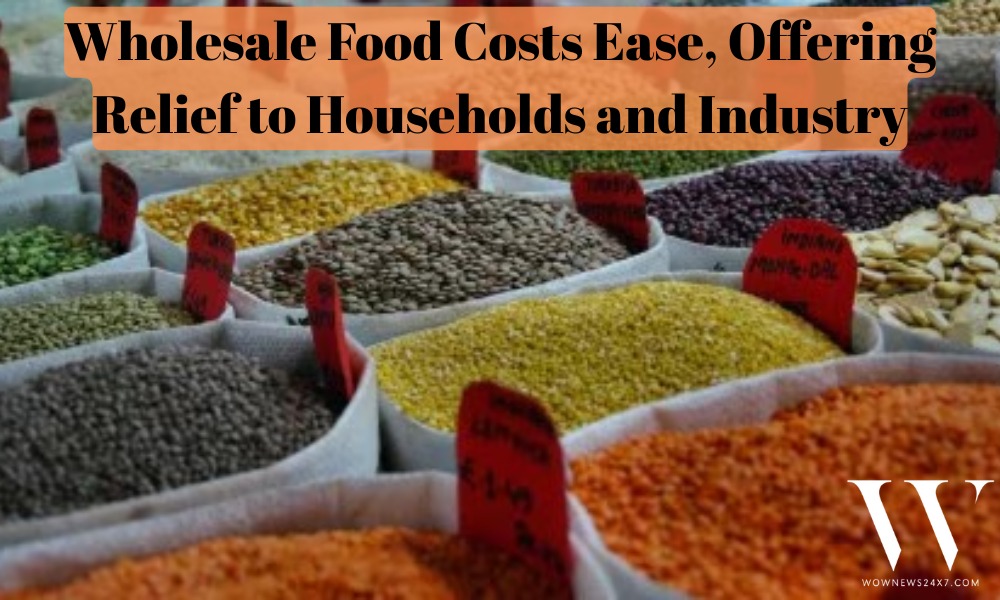
Sectoral Impact: Staples such as cereals, pulses, and edible oils saw reduced wholesale costs, benefiting retailers and food processors.
-
Consumer Implications: While WPI tracks wholesale prices, easing food costs often trickle down to retail markets, potentially stabilizing household budgets.
-
Policy Context: Economists suggest the decline supports India’s broader inflation management goals and provides fiscal space for the government to focus on growth initiatives.
Why It Matters
Food inflation is a critical component of overall price stability. A negative WPI-Food index signals relief for consumers and industries alike, strengthening India’s economic resilience and offering optimism for sustained growth in the coming months.
Sources: Reuters (RTRS Government Data Release), Economic Times Inflation Tracker, Business Standard Market Reports