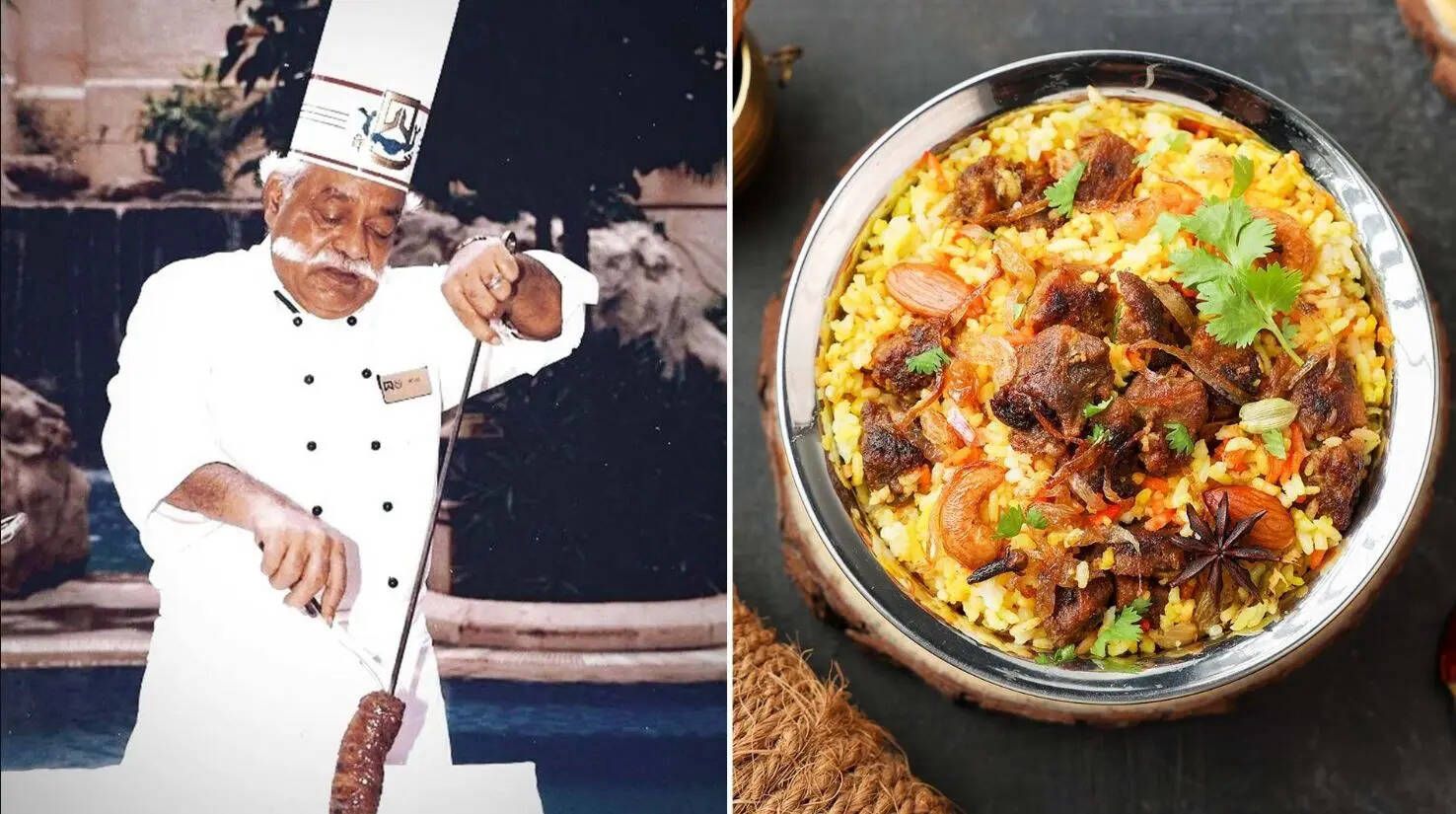

India’s royal courts once relied on khansamas—master chefs who fed nawabs, nizams, and maharajas while fiercely guarding recipes like state secrets. From Awadh to Hyderabad, these culinary custodians shaped iconic cuisines, blending artistry with diplomacy. Their legacy continues to influence Indian food culture, inspiring books, research, and modern culinary traditions.
Long before celebrity chefs and televised cook-offs, India’s royal kitchens were ruled by khansamas, the trusted court cooks whose artistry defined the dining tables of nawabs, nizams, and maharajas. These culinary guardians not only perfected dishes but also protected recipes with utmost secrecy, ensuring that flavors remained exclusive to royal households.
Notable Updates
• Historic Role: Khansamas were central to diplomacy, with meals often serving as instruments of political and cultural exchange.
• Regional Influence: From Awadhi kebabs and Rampuri delicacies to Hyderabadi biryanis and Bhopali innovations, each royal kitchen developed unique culinary identities.
• Guarded Secrets: Recipes were passed orally or kept hidden, treated with the same reverence as state documents.
• Major Takeaway: Their legacy continues today, with modern chefs and food historians drawing inspiration from these traditions.
• Important Point: Books like Jewels of Nizam and features in contemporary media highlight how khansamas shaped India’s gastronomic heritage.
The story of the khansamas is a reminder that food is not just sustenance—it is history, diplomacy, and art preserved across generations.
Sources: Times Now, Times of India