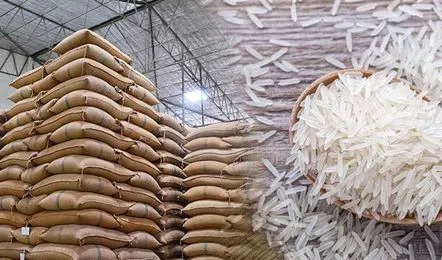

India’s basmati rice exports to Iran have been disrupted after a sharp fall in the Iranian rial and the withdrawal of food-import subsidies. Shipments worth Rs 2,000 crore are stuck at ports, leaving millers in Punjab and Haryana under pressure as trade uncertainty deepens amid tightening US sanctions.
Indian basmati exporters face a major setback as Iran, traditionally one of the largest buyers of premium basmati rice, halts imports following a currency crisis. The Iranian rial’s crash against the US dollar has forced Tehran to withdraw subsidies on food imports, creating immediate payment and clearance issues for Indian consignments.
Industry sources report that shipments worth Rs 2,000 crore are stranded at international ports, awaiting clearance. Punjab and Haryana, India’s key basmati-growing states, are particularly affected, with millers facing falling prices and cash flow challenges. Iran has historically imported nearly 12 lakh tonnes of basmati annually, making this disruption a significant blow to India’s agri-export sector.
Key Highlights
-
Rs 2,000 crore worth basmati shipments stuck at ports due to sanctions
-
Iran withdraws food-import subsidies after rial crash
-
Punjab and Haryana millers face severe financial strain
-
India exports nearly 12 lakh tonnes of basmati rice to Iran annually
-
US sanctions tightening adds to trade uncertainty and payment delays
Final Takeaway
The sanctions shock underscores the vulnerability of India’s basmati trade to geopolitical and currency risks. Exporters now face mounting losses, while policymakers may need to explore alternative markets to safeguard India’s agri-export economy.
Sources: Hindustan Times, Moneycontrol, The Economic Times