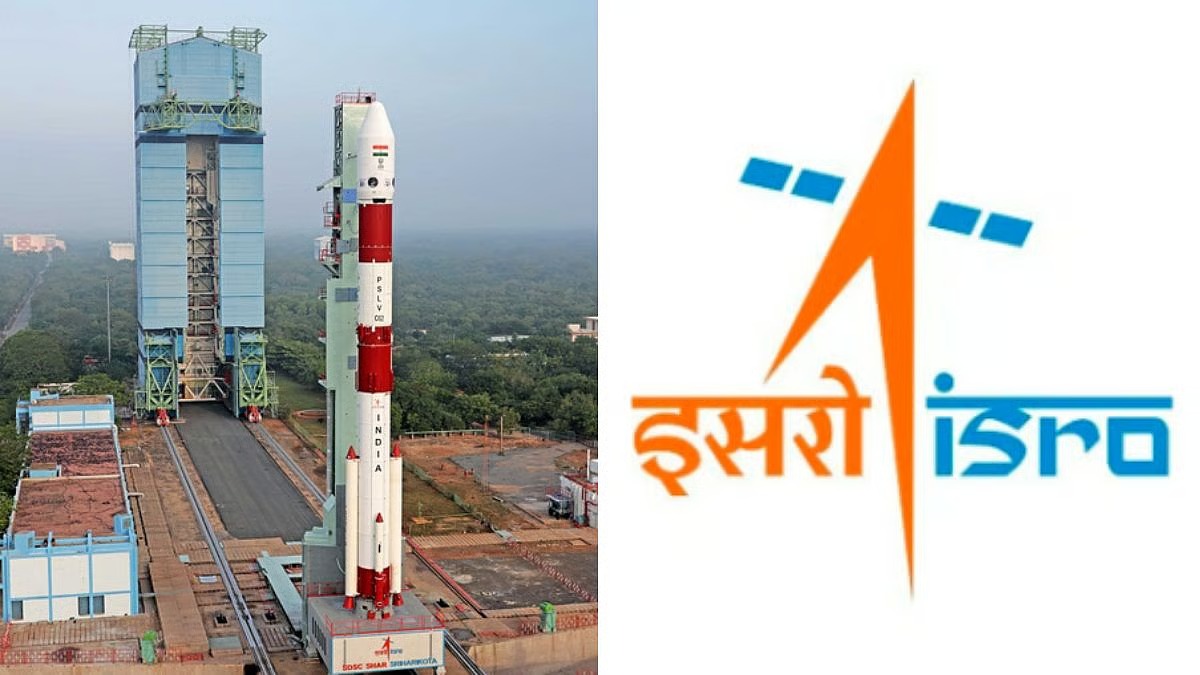

The Indian Space Research Organisation (ISRO) will launch its first mission of 2026 on January 12, deploying the EOS-N1 Earth Observation Satellite (Anvesha) aboard PSLV-C62 from Sriharikota. The mission will enhance India’s remote sensing capabilities, support agriculture, urban planning, and environmental monitoring, while also carrying multiple international co-passenger payloads.
ISRO Set to Launch Earth Observation Satellite EOS-N1 on January 12
India’s space program is set to begin 2026 with a landmark mission. The PSLV-C62 rocket will lift off from the Satish Dhawan Space Centre, Sriharikota, at 10:17 AM IST, carrying the EOS-N1 (Anvesha) satellite along with several co-passenger payloads.
Key Highlights
-
Primary Payload: EOS-N1 (Anvesha), a hyperspectral Earth observation satellite designed for agriculture, urban mapping, and environmental monitoring.
-
Launch Vehicle: PSLV-C62, marking its 64th flight and reaffirming PSLV’s reputation as India’s workhorse rocket.
-
Co-Passenger Satellites: Includes 15–18 payloads from India and abroad, such as the Kestrel Initial Technology Demonstrator (KID) from a Spanish startup, testing re-entry vehicle technology.
-
Strategic Importance: EOS-N1 is also linked to national security and sustainability goals, supporting both civilian and defence applications.
-
Commercial Role: This mission is the ninth dedicated commercial launch for NewSpace India Limited (NSIL), strengthening India’s position as a reliable global launch partner.
This mission underscores ISRO’s dual focus on scientific innovation and commercial collaboration, positioning India as a key player in the global space economy.
Sources: Orissa Post, Domain-B, India TV News, NewKerala, The Hindu, India Today