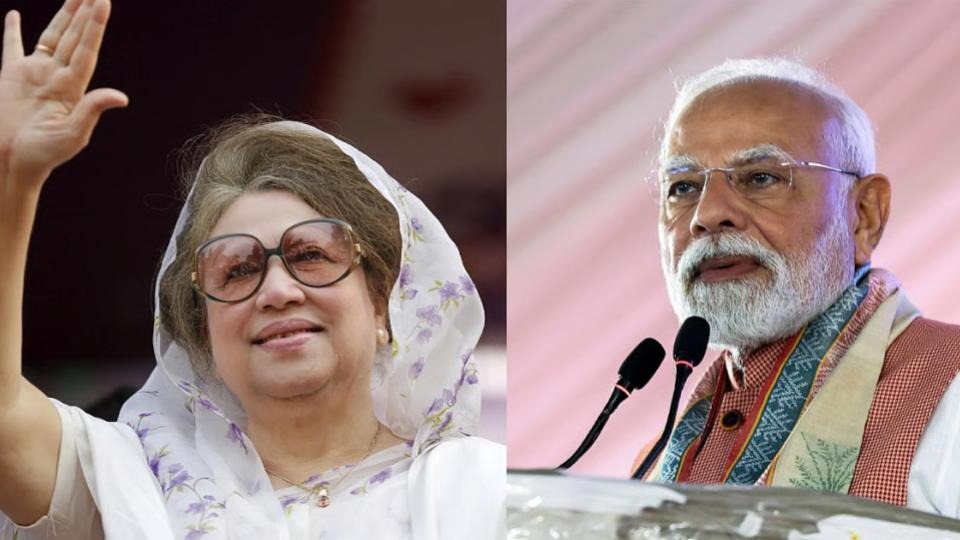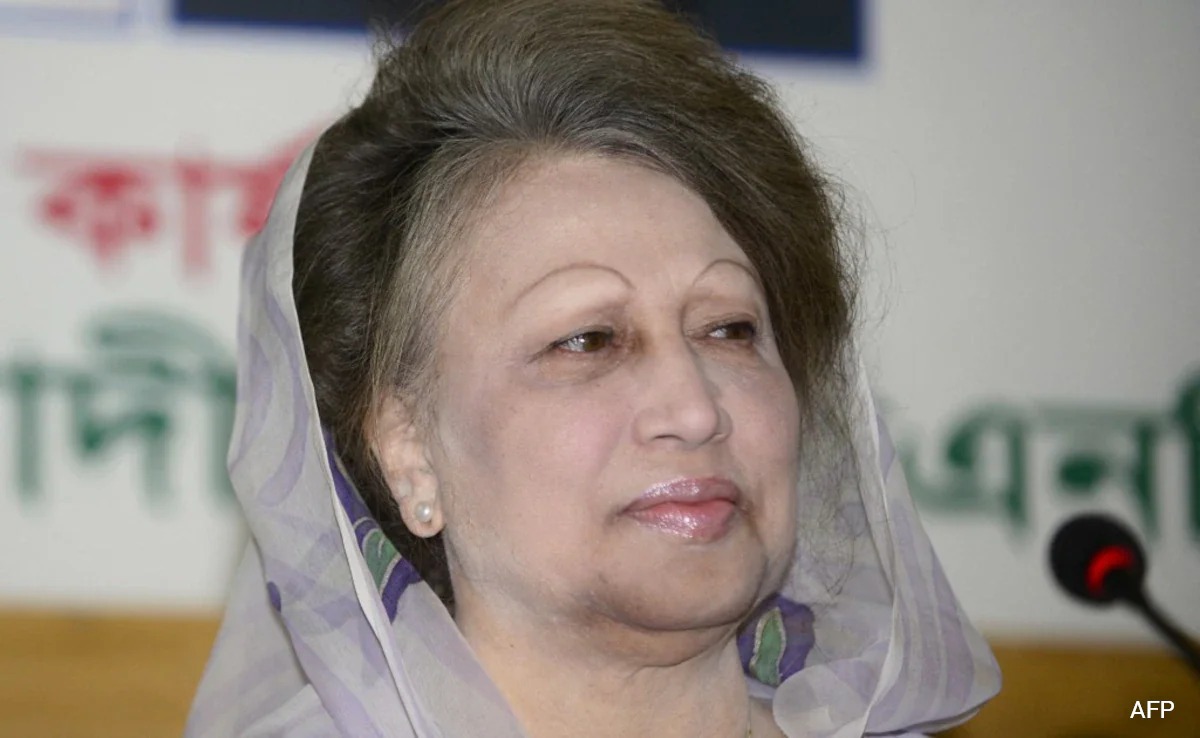

Khaleda Zia, Bangladesh’s first woman prime minister and a towering figure in its political history, died at 80 after a prolonged illness. A three time premier, she shaped decades of politics through her rivalry with Sheikh Hasina, leaving behind a legacy of democratic restoration, women’s empowerment, and enduring influence on the nation’s future.
Life, Legacy, and Leadership
Khaleda Zia’s passing marks the end of an era in Bangladesh’s turbulent political journey. Rising to prominence after the assassination of her husband, President Ziaur Rahman, she became the country’s first female prime minister in 1991. Her leadership spanned three terms, during which she championed democracy, expanded women’s rights, and steered Bangladesh through economic reforms.
Key Highlights
-
Historic Leadership: First woman to serve as prime minister, holding office in 1991–1996 and 2001–2006.
-
Political Rivalry: Defined Bangladesh’s politics through her decades-long contest with Sheikh Hasina.
-
Democratic Role: Credited with restoring democratic governance after years of military rule.
-
Women’s Empowerment: Advocated for education and economic opportunities for women.
-
Final Years: Battled chronic illnesses including liver cirrhosis, diabetes, and heart disease; passed away at Dhaka’s Evercare Hospital.
-
Timing: Her death comes weeks before Bangladesh’s national elections in February 2026, reshaping the BNP’s political future.
Strategic Takeaway
Khaleda Zia’s legacy lies in her resilience and pioneering role in Bangladesh’s democracy. Her passing leaves a vacuum in opposition politics, with her party BNP facing a critical test in the upcoming elections.
Sources: The Quint, Times Now, GoodReturns, The Straits Times, Hindustan Times