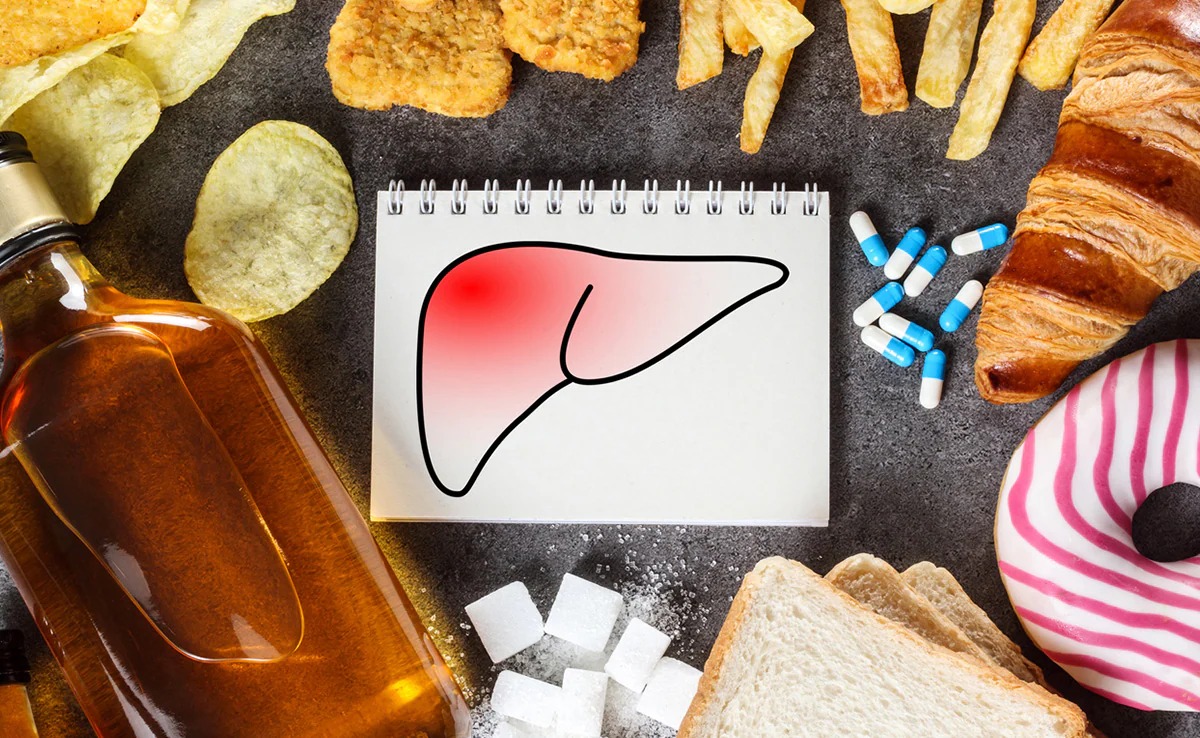





A Gujarat-based radiologist has revealed why Europeans who consume alcohol regularly often have healthier livers compared to Indian teetotalers. Factors such as diet, exercise, and genetic enzyme activity play a crucial role. Europeans metabolize alcohol more efficiently, while sedentary lifestyles and poor diets in India contribute to rising fatty liver cases.
A recent medical observation by a Gujarat radiologist has sparked debate on liver health across populations. Despite drinking alcohol two to three times a week, many Europeans show healthier liver function compared to Indians who abstain from alcohol yet develop fatty liver disease at faster rates.
Experts attribute this paradox to multiple factors. Europeans generally consume diets rich in complex carbohydrates, healthy fats like olive oil, and protein from fish and seafood. Regular physical activity, such as walking 5–6 km daily, further supports liver health. Additionally, higher levels of alcohol dehydrogenase enzyme activity in Europeans aid efficient alcohol metabolism.
In contrast, many Indians face lifestyle challenges including sedentary routines, high consumption of refined carbs, and limited exercise. These factors, combined with genetic predispositions, contribute to fatty liver disease even among non-drinkers.
Key Highlights
-
Dietary Advantage: Europeans consume balanced diets with complex carbs, healthy fats, and proteins.
-
Exercise Factor: Regular physical activity supports liver resilience.
-
Genetic Edge: Higher alcohol dehydrogenase enzyme activity aids alcohol metabolism.
-
Indian Context: Sedentary lifestyle and poor diet drive fatty liver cases among teetotalers.
-
Medical Insight: Lifestyle factors outweigh alcohol consumption in determining liver health.
Sources: Telegraph India, NDTV Lifestyle, Times of India Health Desk