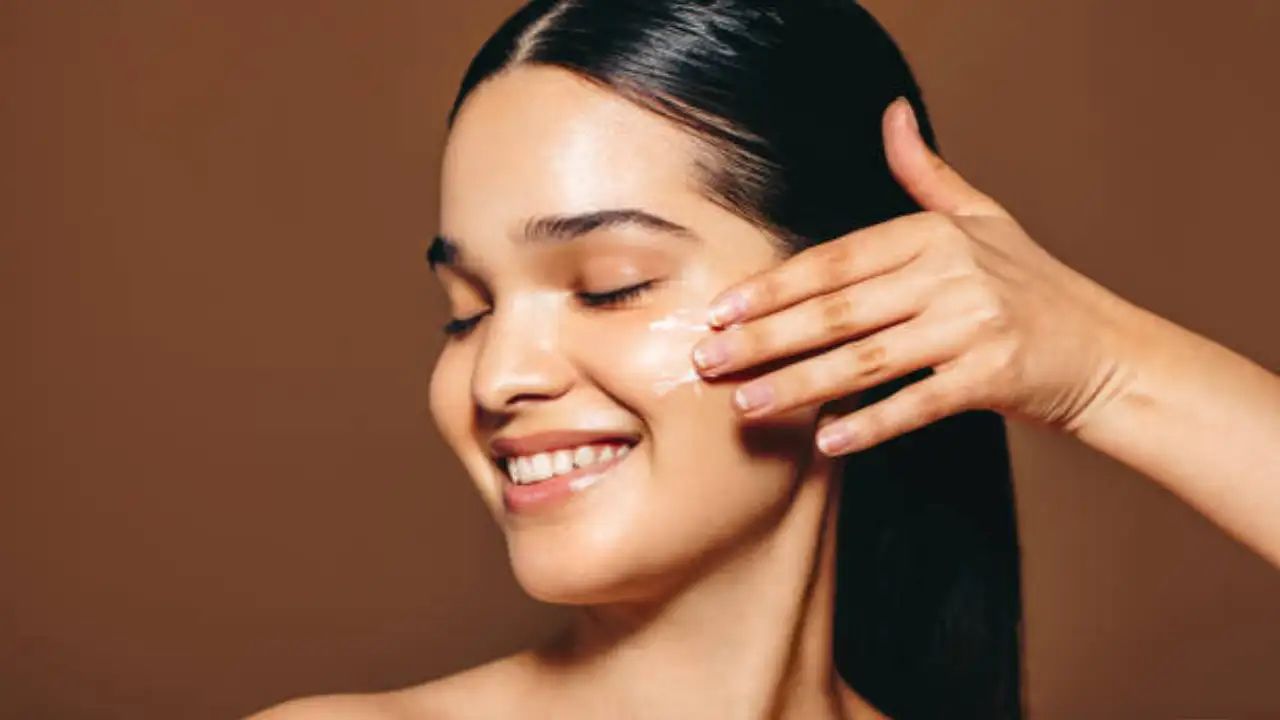
Milk-based skincare is back—with a scientific twist. Rich in vitamins, proteins, and gentle acids, milk can hydrate, soothe, and lightly exfoliate when used correctly. From raw milk cleanses to lactic acid toners and yogurt masks, here’s how to integrate dairy-derived actives for a soft, luminous complexion—without overdoing it.
Milk has long been a beauty staple—think Cleopatra’s baths—but 2025’s take is more targeted: using dairy-derived actives like lactic acid, milk peptides, and fermented yogurt for measurable skin benefits. These ingredients can gently resurface, boost moisture, and support barrier function, making them suitable for dull, dry, or mildly sensitive skin when introduced gradually.
Lactic acid, a milk-derived alpha hydroxy acid, offers mild exfoliation that improves texture and radiance without the sting of stronger acids. Meanwhile, milk’s fats and proteins deliver soothing hydration, and yogurt’s probiotics can help calm the look of redness. Opt for modern formulas that standardize concentrations to avoid the unpredictability of raw dairy, or use simple, short-contact DIYs sparingly.
If you’re curious, start with patch tests and limit use to two or three times a week. Pair milk actives with ceramides and SPF to protect the freshened skin surface. Those with lactose intolerance can still use topical milk actives; dietary intolerance doesn’t necessarily translate to topical sensitivity—though individual reactions vary, so caution is wise.
Important points
Gentle exfoliation: Lactic acid from milk smooths texture and enhances glow with less irritation than stronger AHAs.
Hydration & barrier support: Milk’s vitamins, proteins, and fatty acids nourish for softer, more resilient skin.
Modern milk actives: Look for milk peptides, fermented yogurt, and “science-of-milk” formulations for consistent results.
DIY with care: Short-contact raw milk or yogurt masks can soothe, but standardized products are safer and more predictable.
Best practice: Patch test, start slow (2–3x/week), moisturize, and use SPF daily to protect exfoliated skin.
Major takeaways
Who benefits: Dry, dull, and mildly sensitive skin types often respond well to lactic acid and milk-derived hydrators.
What to use: Lactic acid toners, milk peptide serums, yogurt masks; avoid strong acids alongside lactic acid to reduce irritation.
When to apply: Evenings, followed by a barrier-supportive moisturizer; always wear sunscreen the next day.
What to avoid: Over-exfoliation, extended raw dairy contact, or mixing with retinoids on the same night if you’re new to acids.
Conclusion
Milk in skincare isn’t just nostalgia—it’s a smart, gentle path to smoother, well-hydrated skin. Choose modern, standardized milk actives, introduce them slowly, and protect your glow with SPF. Done right, you’ll milk the benefits without irritating your skin.
Sources: Beauty Bay Edited, Neude Skinneudeskin.com, Smytten.