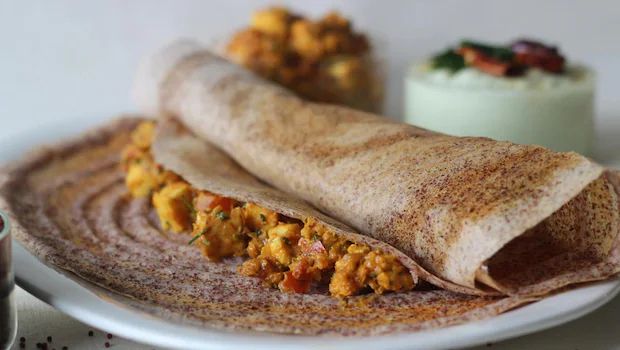





India’s snacking culture is evolving as plant-based foods gain traction. Millet cakes—made from ragi, bajra, and jowar—are emerging as healthier alternatives to chips and biscuits. With rising awareness of sustainability and nutrition, experts believe millet-based snacks could soon become a staple in Indian households, blending tradition with modern convenience.
India’s food habits are undergoing a quiet revolution. As plant-based eating becomes mainstream, traditional grains like millets are finding new life in modern formats. From ragi crackers to bajra snack cakes, these nutrient-rich options are reshaping everyday snacking, offering a balance of taste, health, and sustainability.
Millets, once considered rural staples, are now celebrated for their high fiber, protein, and low glycemic index, making them ideal for urban consumers seeking guilt-free indulgence. The government’s push during the International Year of Millets (2023) has further boosted awareness, encouraging startups and FMCG giants to innovate millet-based products.
Notable Updates & Major Takeaways
Health Appeal: Millet cakes are rich in fiber, iron, and plant protein, supporting digestive and metabolic health.
Sustainability Factor: Millets require less water and thrive in dry climates, aligning with eco-conscious food trends.
Cultural Connection: Rooted in Indian tradition, millets are being reimagined for modern lifestyles.
Market Growth: FMCG brands and startups are expanding millet snack portfolios to meet rising demand.
Consumer Shift: Urban households increasingly prefer millet-based options over processed snacks.
Conclusion
India’s plant-based food shift is more than a trend—it’s a cultural and nutritional renaissance. Millet cakes, blending tradition with innovation, may well become the new everyday snack, symbolizing how India’s kitchens are adapting to global health and sustainability movements.
Sources: NDTV Food, The Hindu, World News.