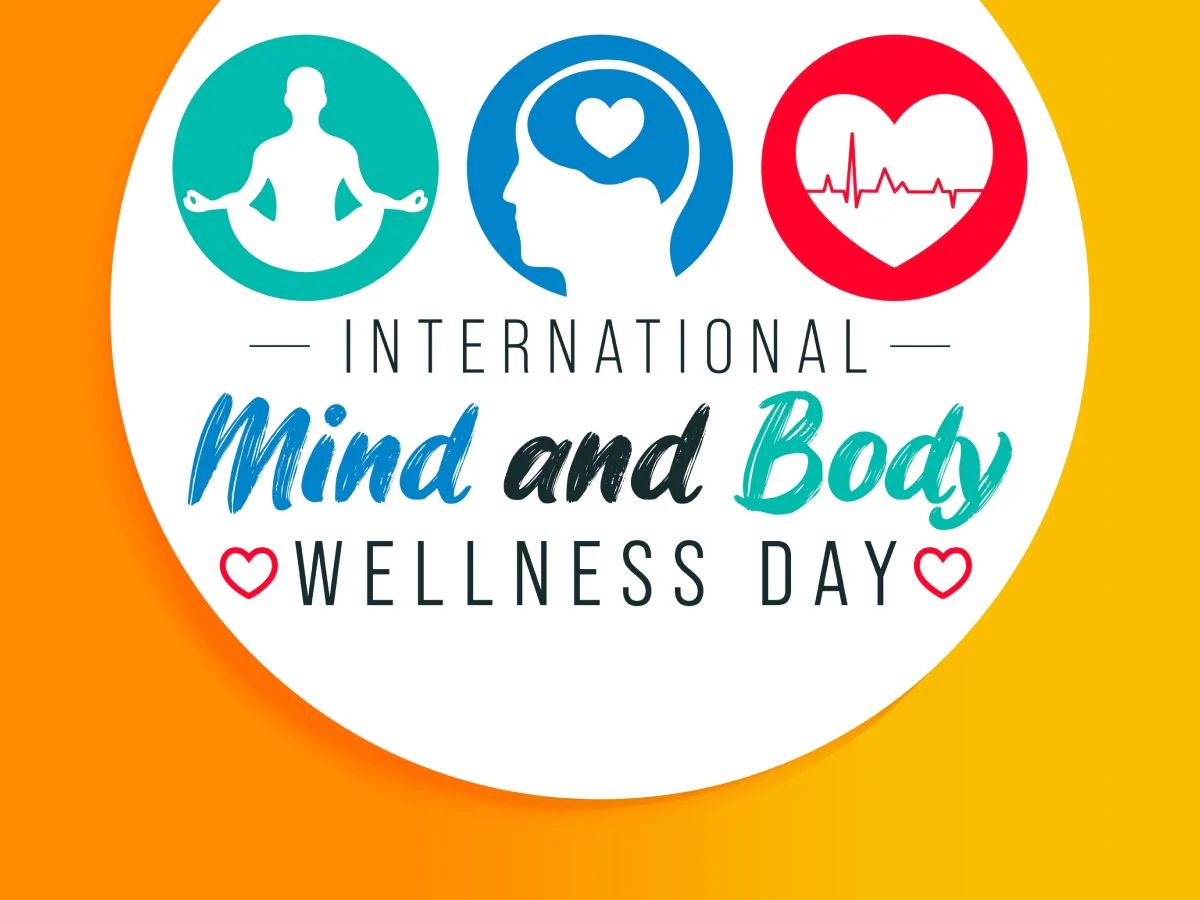

International Mind-Body Wellness Day underscores how stress, anxiety, and depression can raise cardiovascular risk through inflammation, sleep disruption, and lifestyle impacts. Global guidance urges holistic habits—movement, breathing, sleep, nutrition, and preventive screening—to protect both mind and heart. Practical frameworks like the American Heart Association’s Life’s Essential 8 offer actionable steps.
International Mind-Body Wellness Day puts a clear message front and center: mental health and cardiovascular health are inseparable. Chronic stress and mood disorders can influence blood pressure, cholesterol, sleep, and glucose control—key contributors to heart disease—making whole-person strategies crucial for prevention and resilience. The day encourages yoga, meditation, and mindful living as accessible tools to rebalance daily life and reduce cumulative stress loadIndia Today.
The American Heart Association’s “Life’s Essential 8” offers a practical blueprint—eat better, be more active, quit tobacco, get healthy sleep, manage weight, control cholesterol, manage blood sugar, and manage blood pressure—each habit supporting both mental equilibrium and heart protection. Framing wellness through these eight pillars helps people translate awareness into routines that compound over time. Consumer-friendly guides and community events around the day highlight small, consistent changes—breathwork, short exercise bouts, and tech-free wind-downs—that make a measurable differenceABP News.
Preventive health testing complements lifestyle efforts by identifying early risks (e.g., lipid profiles, glucose, blood pressure) and guiding targeted changes. Integrating screenings with stress management and sleep hygiene strengthens the mind–body loop, enabling people to act before risks escalate.
Notable updates and major takeaways
Mind–heart connection: Stress, anxiety, and depression can elevate cardiovascular risk through behavior and biology.
Action framework: AHA’s Life’s Essential 8 turns awareness into daily habits that support mental and cardiac health.
Daily habits: Breathing exercises, physical activity, sleep routines, and mindful nutrition improve energy and focus.
Preventive screens: Lipids, glucose, blood pressure, and sleep checks help catch risks early and personalize strategies.
Holistic approach: Pair lifestyle changes with regular monitoring to sustain long-term resilience and heart safety.
Conclusion
International Mind-Body Wellness Day is a timely reminder that caring for the mind is a direct investment in heart health. By combining stress reduction, sleep, movement, and preventive screening, people can build sustainable routines that lower risk and enhance well-being—one small habit at a time.
Sources: India Today; American Heart Association NewsroomAmerican Heart Association; Metropolis Healthcare; ABP LiveABP News