Image Source: ThinkRight
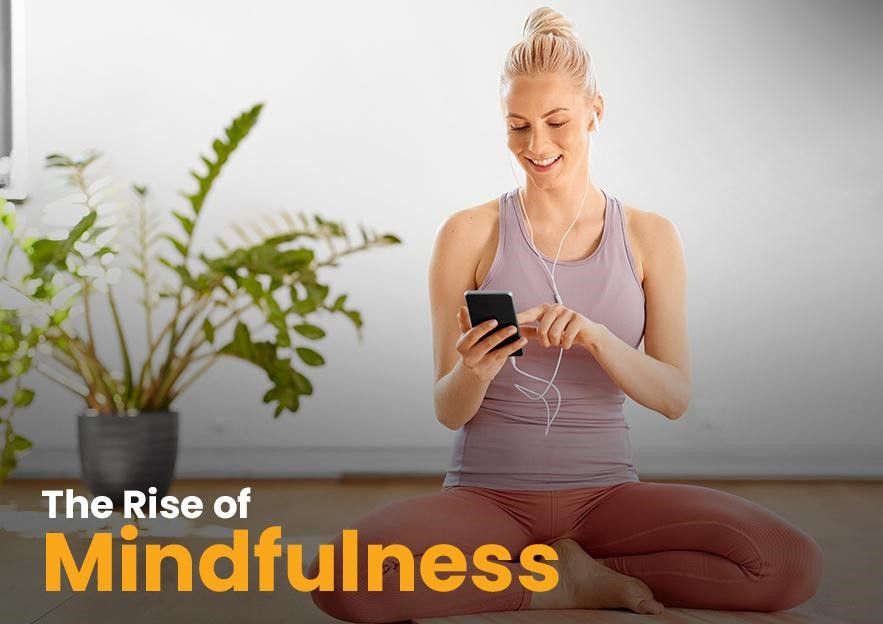
As global stress levels rise due to constant connectivity and mental health challenges, mindfulness has emerged as a powerful tool for resilience. In 2026, technology-driven meditation, boundary-setting practices, and community-based mindfulness are reshaping how individuals cope with burnout, distraction, and emotional exhaustion, offering balance in an overstimulated world.
Show more
The World Health Organization reports that over one billion people worldwide live with mental health conditions, underscoring an unprecedented crisis. Amid this, mindfulness has shifted from a wellness trend to a mainstream strategy for managing stress and reclaiming focus.
Key Highlights
-
Technology-integrated meditation apps and AI-guided mindfulness sessions are becoming standard, making stress relief more accessible.
-
Community-oriented mindfulness practices are gaining traction, helping individuals feel less isolated in their struggles.
-
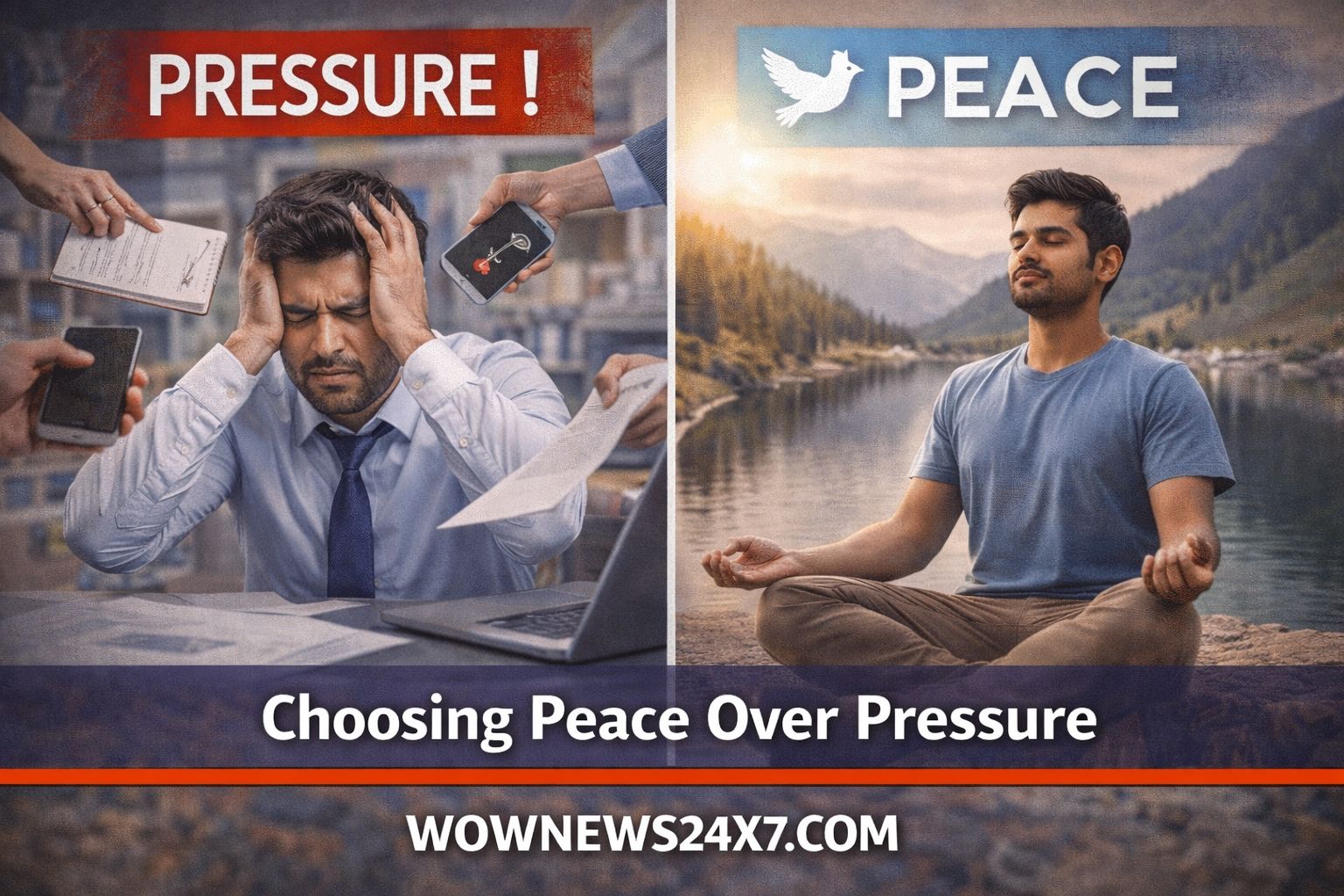
Burnout from constant digital notifications has accelerated the adoption of mindfulness as a tool to set boundaries and prioritize meaningful activities.
-
Mindfulness journals and aromatherapy are increasingly used to deepen daily routines, blending traditional practices with modern lifestyles.
Conclusion
The rise of mindfulness reflects a collective response to modern stress. By integrating technology, fostering community, and encouraging intentional living, mindfulness is no longer optional—it’s essential for navigating today’s fast-paced, high-pressure environment.
Sources: Whole Living Purpose, Mindfulness in 2026; Bhupinder Sandhu, The Silent Crisis & Mindfulness Revolution
Stay Ahead – Explore Now!
Redefining Success After 30: Why Professionals Are Choosing Balance Over Burnout

Advertisement
Advertisement