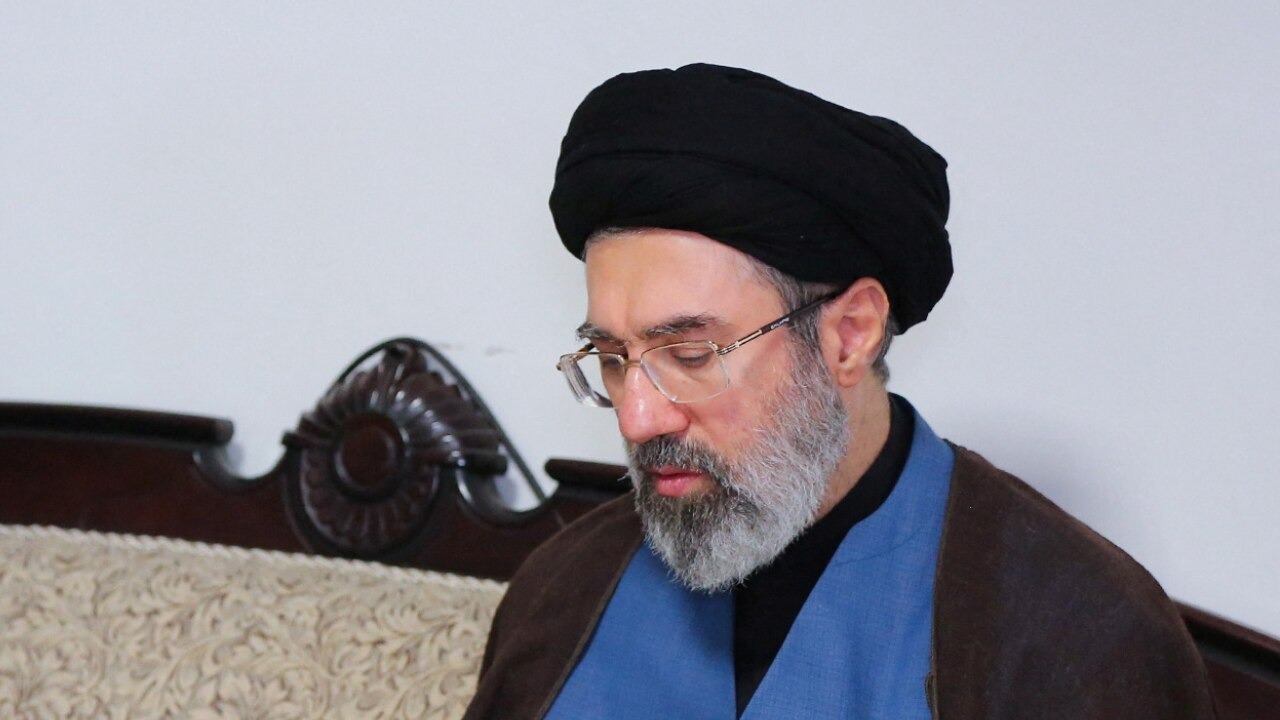





Mojtaba Khamenei, son of the late Ayatollah Ali Khamenei, has been elected Iran’s new Supreme Leader by the Assembly of Experts. His appointment follows the death of his father in US-Israeli strikes, marking only the second leadership transition since the 1979 Islamic Revolution and sparking global attention.
Iran’s Assembly of Experts has confirmed Mojtaba Khamenei as the country’s new Supreme Leader, ending days of speculation over succession. The decision comes after Ayatollah Ali Khamenei, who ruled for 37 years, was killed in US-Israeli strikes on February 28. Mojtaba, a cleric and political figure, was chosen amid reported pressure from the Islamic Revolutionary Guard Corps (IRGC).
Observers note that Mojtaba’s rise signals a potential consolidation of power by the IRGC, raising questions about Iran’s future governance and foreign policy. His appointment underscores the influence of military and clerical institutions in shaping the country’s leadership.
This rare transition is being closely watched by global powers, given Iran’s pivotal role in Middle Eastern geopolitics. Analysts suggest that Mojtaba’s leadership could intensify regional tensions while also reinforcing domestic control through religious and military networks.
Key Highlights
-
Mojtaba Khamenei elected Iran’s new Supreme Leader
-
Succeeds father Ayatollah Ali Khamenei after 37 years in power
-
Appointment follows US-Israeli strikes killing Ali Khamenei
-
Assembly of Experts confirmed decision amid IRGC pressure
-
Global powers monitor implications for regional stability
Sources: India TV News, Firstpost, B92, Iran International, Hindustan Times