Bonkers Corner, founded by Maharashtra entrepreneur Shubham Gupta, grew from a one-desk startup into a ₹300 crore streetwear brand redefining India’s Gen Z fashion culture. Built after a family business collapse forced him to leave college, the brand scaled through bold design, digital-first storytelling, and relentless reinvestment.
When Reinvention Becomes Identity
A young entrepreneur stands inside a silent factory searching for direction.
A generation waits for a voice that reflects its energy.
One bold idea turns struggle into style.
Bonkers Corner began as a personal rebuild and evolved into a cultural movement.
From Collapse to Creation
• In 2011, Shubham Gupta’s life changed dramatically when his father’s textile business collapsed. The financial shock reshaped his path overnight, pushing him to step away from college and work directly on the factory floor to support his family.
• While helping rebuild operations, Shubham developed a deeper understanding of fabrics, production cycles, and consumer behavior. Yet alongside responsibility grew a personal ambition — to create a brand that represented India’s emerging youth culture.
• For nearly nine years, he observed changing fashion preferences among young consumers. Gen Z audiences were embracing individuality, oversized silhouettes, expressive graphics, and global streetwear aesthetics. Indian fashion brands, however, largely remained conservative in design language.
• Shubham saw an opportunity where others saw uncertainty.
• With a single desk in a small room, he launched Bonkers Corner, betting on bold creativity and youth-driven identity.
Betting on Gen Z Before the Market Did
• The early days demanded extraordinary resilience. Production challenges, pending bills, and unpredictable demand created constant pressure. Shubham reinvested every rupee back into the business, prioritizing growth over short-term comfort.
• A deeply personal moment strengthened the journey — his mother mortgaged her jewellery to support the venture, giving the brand crucial breathing room during its formative stage.
• Instead of following traditional fashion cycles, Bonkers Corner focused on what young consumers genuinely wanted: oversized streetwear, quirky graphics, and expressive storytelling. Social media became the brand’s runway, allowing designs to travel faster than traditional retail channels.
• As digital engagement grew, Bonkers Corner transformed from a clothing label into a youth identity brand.
Building Culture Before Scaling Commerce
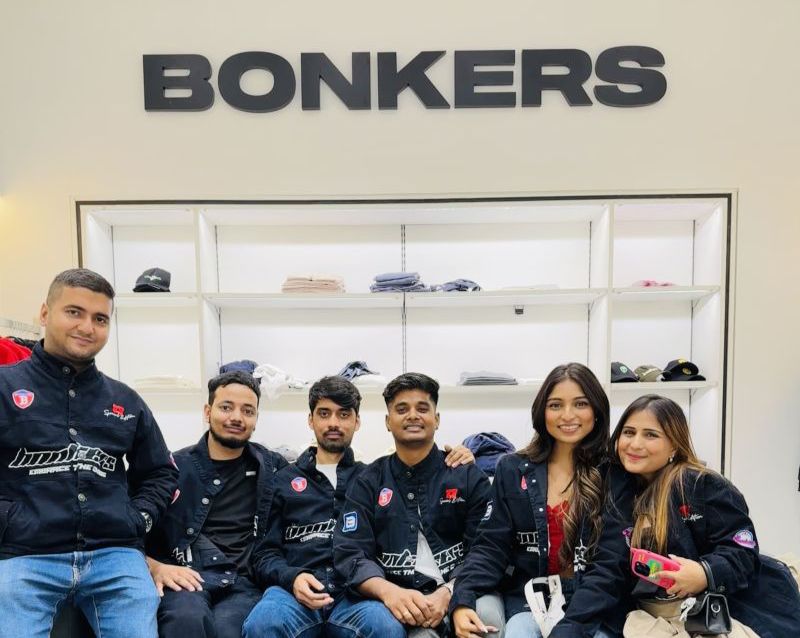
• Bonkers Corner’s breakthrough came from understanding that Gen Z buys emotion before product. Rather than competing through pricing or celebrity endorsements, Shubham built community through creativity.
The strategy included:
• Loud, unconventional prints reflecting internet culture
• Digital-first marketing driven by organic social media growth
• Rapid design experimentation aligned with youth trends
• Continuous reinvestment into product and brand identity
By positioning streetwear as self-expression rather than apparel, Bonkers Corner created loyalty that translated directly into sales momentum.
This approach worked because the brand mirrored its audience — expressive, bold, and unapologetically original.
Scale, Numbers & Market Impact
• Bonkers Corner’s growth reflects the rising influence of India’s youth fashion economy.
• Brand revenue scaled from survival-stage operations to approximately ₹200 crore business scale
• Following investor backing and Shark Tank visibility, the company reached an estimated ₹300 crore valuation
• Strong digital-native customer base driven primarily by Gen Z consumers
• Expansion through e-commerce-led distribution supported by growing brand recognition
• The company’s rise aligns with India’s rapidly expanding streetwear market, where youth-driven fashion and online communities increasingly shape purchasing behavior.
• Bonkers Corner’s success demonstrates how Indian brands are beginning to compete culturally — not just commercially — with global streetwear labels.
Build Bigger Than the Fall
• Shubham Gupta’s journey carries a powerful entrepreneurial message:
Adversity can become raw material for creation.
• Instead of rebuilding only what was lost, he chose to design something entirely new. By understanding cultural shifts early and committing fully to execution, Bonkers Corner evolved from a survival project into a symbol of modern Indian streetwear ambition.
• His philosophy reflects the spirit behind the brand:
When life pushes you down, build something bigger than the fall.
• Bonkers Corner today stands as proof that creativity, resilience, and deep audience understanding can transform personal challenges into lasting cultural impact.
Sources: thebetterIndia