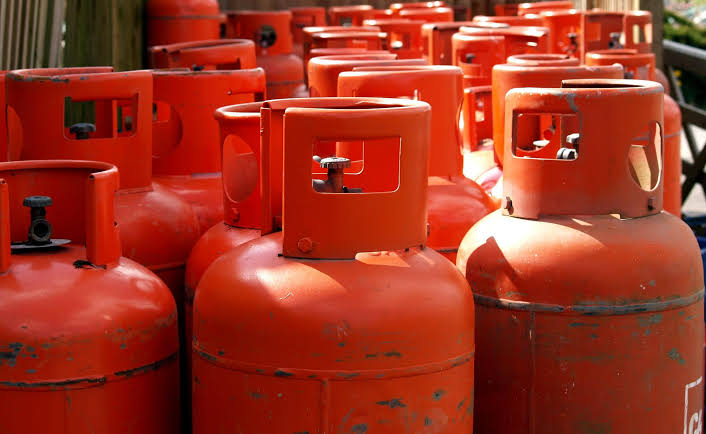





Ever looked at your gas cylinder and wondered what all those numbers and letters are for? They’re not just there for show—they’re actually really important for safety and tracking. Here’s what they mean, broken down simply:
Expiry/Test Date Code:
You’ll usually spot something like “B-25” or “C-24” on the cylinder. The letter tells you the quarter of the year:
-
A = January–March
-
B = April–June
-
C = July–September
-
D = October–December
The number is the year. So, “B-25” means the cylinder should be tested or checked again between April and June of 2025. This helps make sure the cylinder stays safe to use.
Serial Number: This is a longer number unique to each cylinder, kind of like an ID card. It helps the supplier or manufacturer keep track of where each cylinder is.
Manufacture Date: You might see something like “04-10,” which means the cylinder was made in April 2010. Cylinders need to be checked or replaced after a certain number of years, so this date matters.
Specification Code: Codes like “DOT3AA” tell you about the cylinder’s material and safety standards—basically, what it’s made of and how much pressure it can handle.
Requalification or Retest Stamp: Every time the cylinder is tested for safety (usually every 5–10 years), a new date stamp is added.
Color Code: The paint color can show what kind of gas is inside. For example, white might mean oxygen, brown could mean LPG, and so on.
So next time you get a gas cylinder, take a quick look at those markings—they’re your clue that the cylinder is safe and up to date.
Source: Earlbeck, LinkedIn, Messer Group, Propane.ca, Farzi Gyan (YouTube), MachineMFG