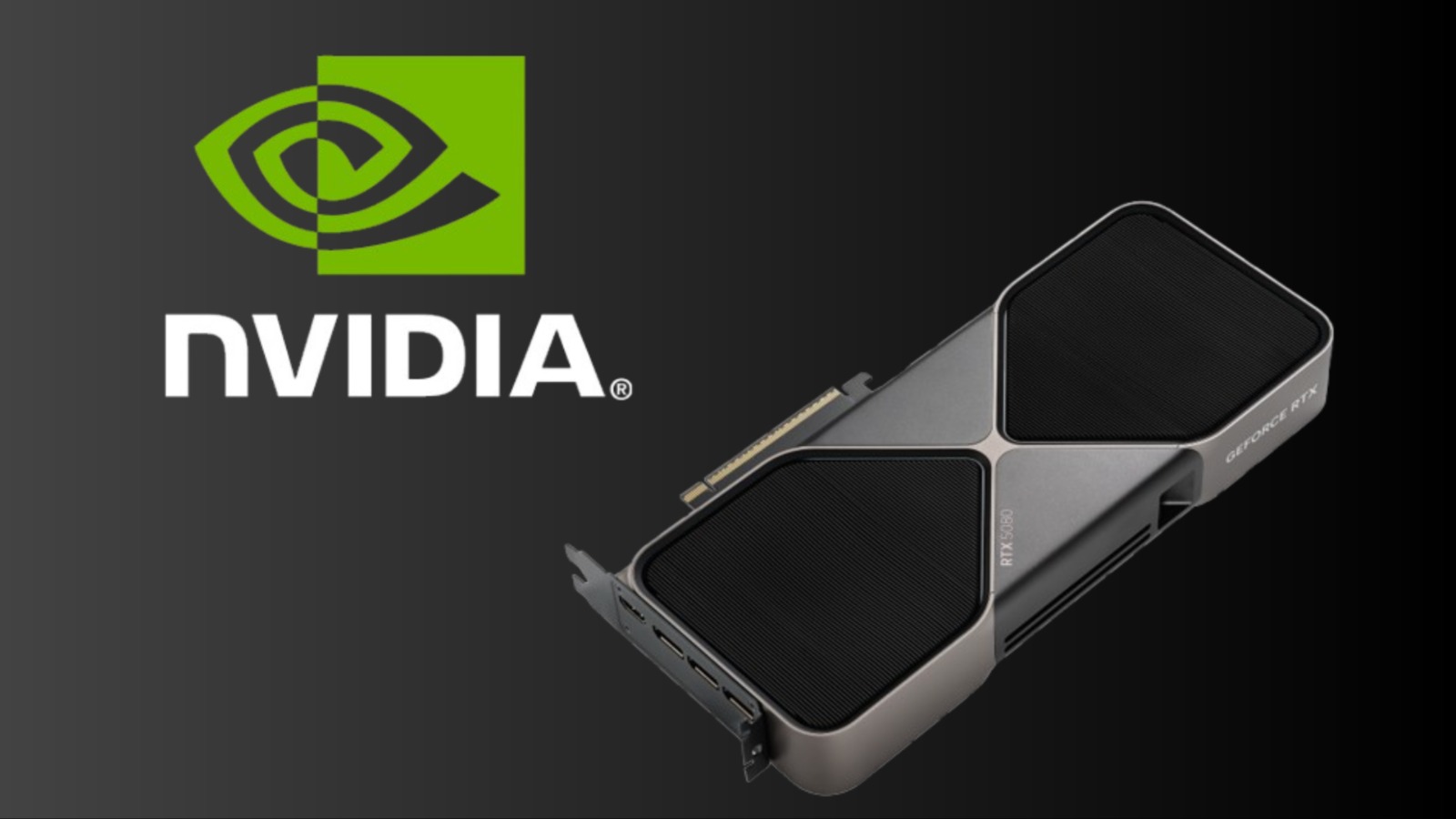





Reports suggest Nvidia could reduce RTX 5000 series GPU production by 30–40% in the first half of 2026. The move is linked to global memory shortages affecting GDDR6, GDDR7, and DDR5 components. Midrange models like RTX 5070 Ti and 5060 Ti may face the steepest supply restrictions.
Nvidia’s upcoming RTX 5000 series, based on its Blackwell architecture, may face significant supply constraints in 2026. Industry sources indicate that the company is preparing to cut GPU production by up to 40% in the first half of the year, citing ongoing VRAM and memory component shortages. This development could impact gamers, PC builders, and enterprises relying on Nvidia’s GPUs for AI workloads.
Key highlights from the announcement include
-
Nvidia is reportedly planning a 30–40% reduction in RTX 5000 GPU supply during H1 2026.
-
The supply cut is linked to shortages in GDDR6, GDDR7, and DDR5/DDR4 memory components.
-
Midrange GPUs such as the RTX 5070 Ti and RTX 5060 Ti 16GB are expected to be most affected.
-
Chinese add-in board (AIB) partners may see reduced allocations, reflecting shifting DIY market conditions.
-
The rumored delay or cancellation of the RTX 5000 Super series adds to uncertainty in Nvidia’s roadmap.
-
Global PC hardware markets are already strained by rising NAND and DRAM costs, impacting GPU affordability.
-
Industry experts warn that reduced supply could drive up GPU prices and slow adoption of next-gen gaming and AI systems.
-
AMD’s potential GPU price increases may further intensify market pressures, leaving consumers with fewer affordable options.
This potential supply cut underscores the fragility of global semiconductor supply chains and the challenges facing GPU manufacturers in balancing demand with component availability. For Nvidia, the move could protect margins but risks frustrating gamers and professionals awaiting next-generation performance.
Sources: PCGamesN, TechPowerUp, XDA Developers, PCMag