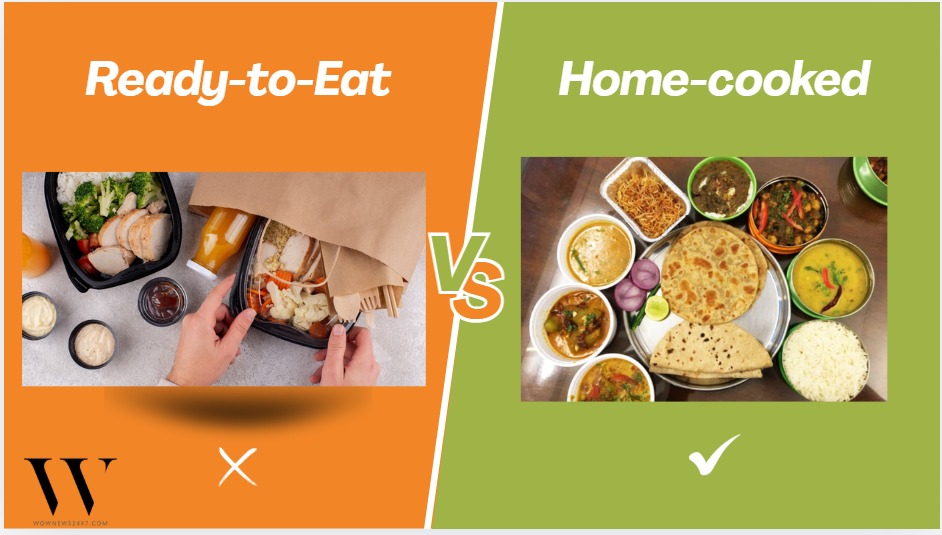

Urban India’s kitchens are increasingly dominated by ready-to-eat (RTE) and ready-to-cook (RTC) foods. Driven by fast-paced lifestyles, food delivery apps, and experimentation, the consumer base for convenience foods has surged by over 40% in two years. While the market grows rapidly, concerns about nutrition, health, and sustainability remain pressing.
Key Highlights
-
Convenience Boom: Ready-to-eat and ready-to-cook foods have become daily staples in urban households.
-
Market Growth: The consumer base for RTE/RTC foods expanded from 5 crore in 2023 to 7–8 crore in 2025, marking a 40% jump.
-
Industry Size: India’s convenience food market was valued at $6.65 billion in 2024, projected to reach $11.88 billion by 2033 at a CAGR of 6.14%.
-
Lifestyle Drivers: Rising urban incomes, time-poverty, and food delivery apps are reshaping eating habits.
-
Health Concerns: Nutrition gaps, obesity, and diabetes are rising alongside convenience eating.
Changing Food Habits
For many urban Indians, the kitchen is no longer about slow cooking but about speed and convenience. Half-cooked meals, frozen snacks, and instant curries are now constants. Working professionals, students, and nuclear families are increasingly relying on packaged foods to save time, experiment with cuisines, and adapt to fast-paced routines.
Market Dynamics
According to Redseer’s 2025 report, the addressable consumer base for convenience foods has grown sharply, reflecting both demand and supply-side expansion. IMARC data shows the sector’s robust growth trajectory, with companies investing in innovative packaging, healthier variants, and wider distribution networks.
Food delivery apps have amplified this trend, offering instant access to meals while reducing dependence on traditional cooking. This shift is not just about convenience but also about cultural change, as younger generations prioritize flexibility over tradition.
Health & Sustainability Concerns
While convenience foods save time, they raise critical health questions. Studies highlight a “double burden”: persistent micronutrient deficiencies like anaemia alongside rising obesity, hypertension, and diabetes. Experts warn that processed meals often lack transparency in nutritional labeling, creating risks for long-term health.
Sustainability is another challenge. Increased reliance on packaged foods means higher plastic waste, prompting calls for eco-friendly packaging and stronger regulation.
Outlook
The convenience food wave is here to stay, but its future depends on balancing speed with nutrition and sustainability. As companies innovate with healthier, eco-conscious options, and policymakers push for stricter food safety norms, urban India’s packet-driven diet may evolve into a more responsible model of modern eating.
Sources: The Financial Express, Aquartia Blog, Amulya Charan (Changing Food Habits in India)