
Image Source: Firstpost
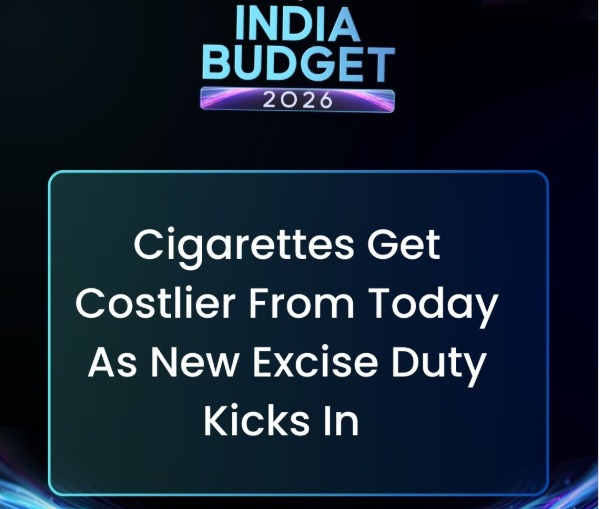
From February 1, 2026, cigarettes and pan masala have become costlier across India as the government’s revised excise duty structure comes into force. The move, announced in the Union Budget, aims to curb consumption of tobacco and related products while boosting revenue for public health initiatives.
Show more
Government Policy Shift
The Union Budget introduced higher excise duties on cigarettes and pan masala, reflecting the government’s continued focus on discouraging harmful consumption patterns. The revised rates are expected to generate additional revenue while aligning with broader public health goals.
Impact On Consumers
Retail prices of cigarettes and pan masala have already increased, with traders passing on the higher tax burden to buyers. Consumers are likely to feel the pinch immediately, particularly in urban centers where demand remains strong despite rising costs.
Industry Response
Manufacturers and distributors anticipate a slowdown in sales volumes, though the industry has historically shown resilience to tax hikes. Analysts suggest that while short-term consumption may dip, long-term demand patterns will depend on enforcement and awareness campaigns.
Key Highlights
-
Excise duty hike effective from February 1, 2026
-
Cigarettes and pan masala prices rise nationwide
-
Policy aims to reduce harmful consumption and boost revenue
-
Consumers face immediate price increases
-
Industry braces for potential slowdown in demand
Conclusion
The excise duty hike on cigarettes and pan masala underscores the government’s dual focus on public health and revenue generation. While consumers face higher costs, the measure reflects a broader strategy to discourage harmful habits and strengthen fiscal resources.
Sources: Economic Times, Business Standard, Mint
Stay Ahead – Explore Now!
India’s Federal Balance Preserved: Finance Commission Keeps State Share at 41%

Advertisement
Advertisement