








Electric blankets are gaining popularity this winter, but safety concerns remain. Experts advise checking for ISI or CE certifications, avoiding use by vulnerable groups, and ensuring proper maintenance. While they provide cozy warmth, risks like overheating, fire hazards, and unsuitable use for certain health conditions mean buyers must exercise caution.
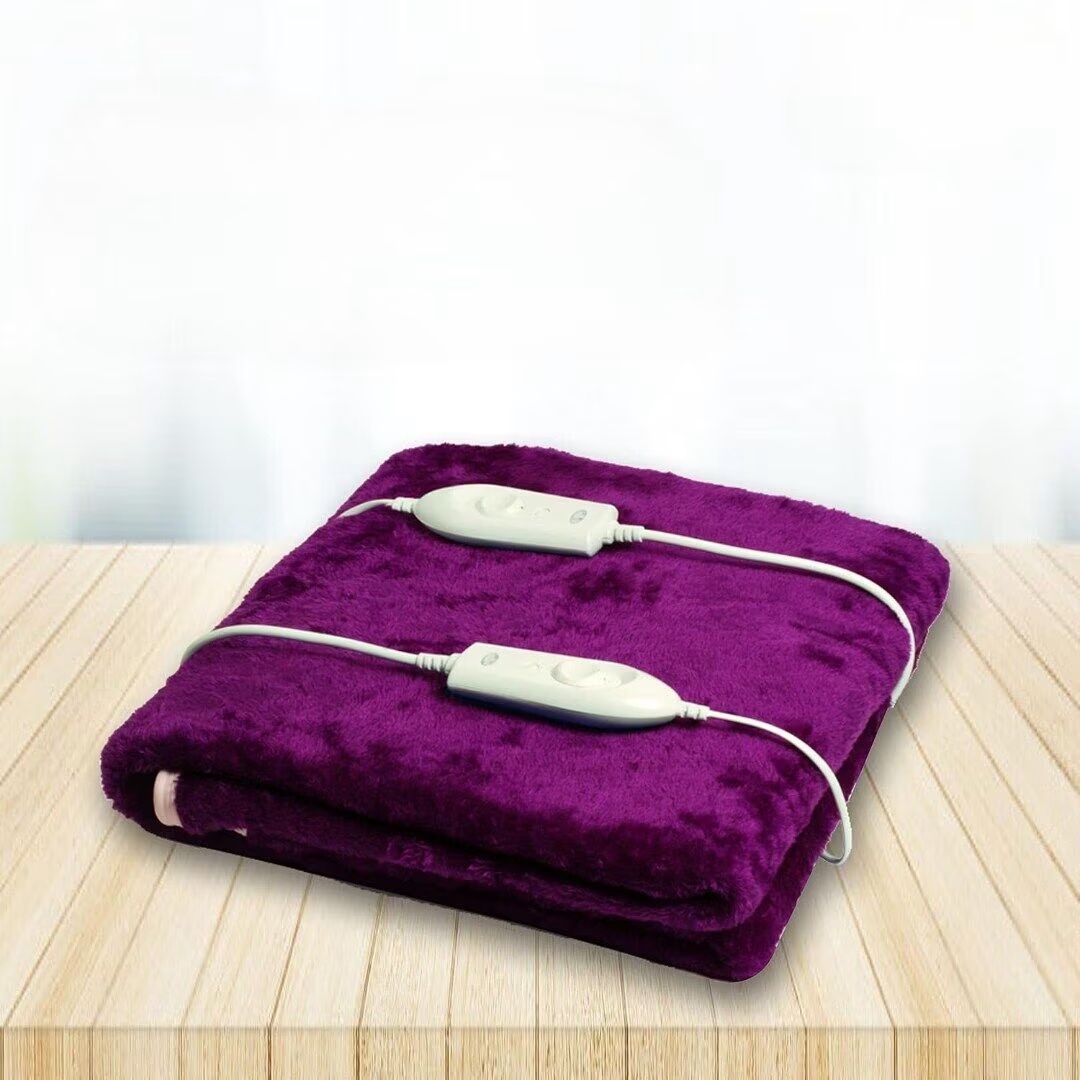
As temperatures dip, many households are turning to electric blankets for instant warmth. These blankets, fitted with heating wires and controlled by a cord, promise comfort but also raise questions about safety. Industry experts stress that while modern models are safer than older ones, buyers must follow strict precautions to avoid risks.
Major Takeaways
Safety Certifications: Always look for ISI, CE, or UL marks to ensure compliance with safety standards.
Avoid Vulnerable Use: Not recommended for infants, elderly, pregnant women, or people with diabetes/nerve damage, as they may not sense overheating.
Proper Maintenance: Inspect wiring regularly; avoid folding or washing unless specified. Damaged cords can cause short circuits or fire hazards.
Usage Guidelines: Do not keep blankets on for extended hours; switch off before sleeping to prevent overheating.
Alternatives: Consider hot water bottles or room heaters for safer, longer-lasting warmth.
Notable Updates
Modern blankets often come with auto shut-off features and adjustable heat settings, reducing risks.
Experts highlight that incorrect usage—such as plugging into unsafe sockets or leaving unattended—remains the biggest hazard.
Buyers are advised to read manuals carefully and avoid second-hand or uncertified products.
Conclusion
Electric blankets can be a safe and cozy winter solution if buyers prioritize certified products and follow usage guidelines. However, misuse or neglect can turn comfort into danger. As demand rises, awareness of who should use them, how to maintain them, and when to switch them off is critical for safe enjoyment.
Sources: Livemint, Indulgexpress, India TV News.