


Image Source: YouTube
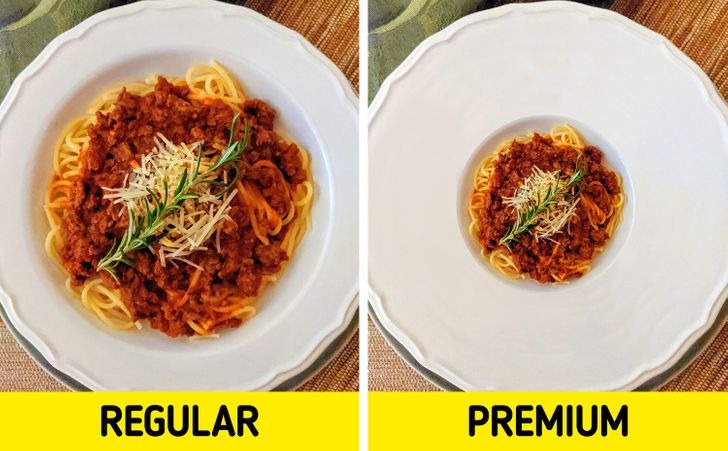
Expensive restaurants serve small portions to emphasize artistry, premium ingredients, and multi-course experiences. The philosophy focuses on mindful eating, flavor balance, and visual presentation rather than quantity. Smaller servings highlight craftsmanship, elevate exclusivity, and ensure diners savor each bite while enjoying variety across courses, creating lasting impressions beyond fullness.
Show more
Culinary philosophy
Fine dining is designed as a sensory journey. Chefs use rare, high-quality ingredients and present them with precision, treating each plate as art. Smaller portions allow balance across multiple courses, ensuring diners experience variety without overwhelming their palate.
Psychological and experiential appeal
Research shows the first few bites are the most memorable. Smaller servings maximize appreciation, encourage mindful eating, and leave diners inspired rather than stuffed. The approach reflects exclusivity, where value lies in memory, artistry, and storytelling rather than sheer volume.
Major takeaways
• Multi-course menus rely on smaller servings to balance flavors and pacing
• Premium, rare ingredients justify higher costs despite reduced quantity
• Smaller portions enhance visual presentation and elevate dining into an art form
• Chefs emphasize storytelling and craftsmanship over traditional measures of value
• Diners leave with lasting impressions rather than fullness
Impact
This practice reflects a cultural shift from quantity-driven meals to experience-driven gastronomy. Expensive restaurants aim to deliver artistry, exclusivity, and emotional resonance, positioning food as narrative and memory rather than mere sustenance.
Sources: NDTV Food, The Daily Meal, Indian Witness
Stay Ahead – Explore Now!
Festive Glam That Lasts: Makeup Tips to Keep You Party-Ready All Night

Advertisement
Advertisement