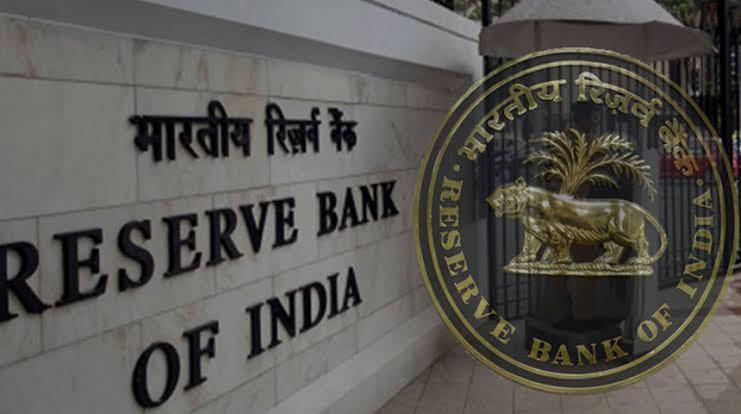








The Reserve Bank of India (RBI) has imposed restrictions on Valsad Mahila Nagrik Sahakari Bank, citing supervisory and liquidity concerns. The curbs include limits on withdrawals and lending, following lapses in compliance with asset classification, KYC norms, and credit information reporting. The move underscores RBI’s vigilance over cooperative banks.
The Reserve Bank of India has announced regulatory curbs on Gujarat-based Valsad Mahila Nagrik Sahakari Bank, highlighting weaknesses in its supervisory compliance and liquidity management. The restrictions follow statutory inspections that revealed lapses in income recognition, asset classification, provisioning, and adherence to Know Your Customer (KYC) guidelines.
The RBI’s action aims to safeguard depositor interests while ensuring corrective measures are implemented by the bank. Cooperative banks, often serving local communities, have faced heightened scrutiny in recent years due to governance and compliance challenges.
Key Highlights
-
Notable updates: RBI has restricted certain banking operations, including withdrawal limits, to protect depositors.
-
Major takeaways: The bank failed to classify certain loan accounts as non-performing assets under IRAC norms.
-
Important points: Non-submission of data to Credit Information Companies (CICs) was flagged as a serious compliance lapse.
-
Critical observation: RBI emphasized the need for stronger liquidity management and adherence to regulatory frameworks.
-
Broader context: The move reflects RBI’s continued focus on strengthening oversight of cooperative banks to maintain financial stability.
Sources: Reserve Bank of India (Press Release), NSE Corporate Announcements, BSE Corporate Filings.